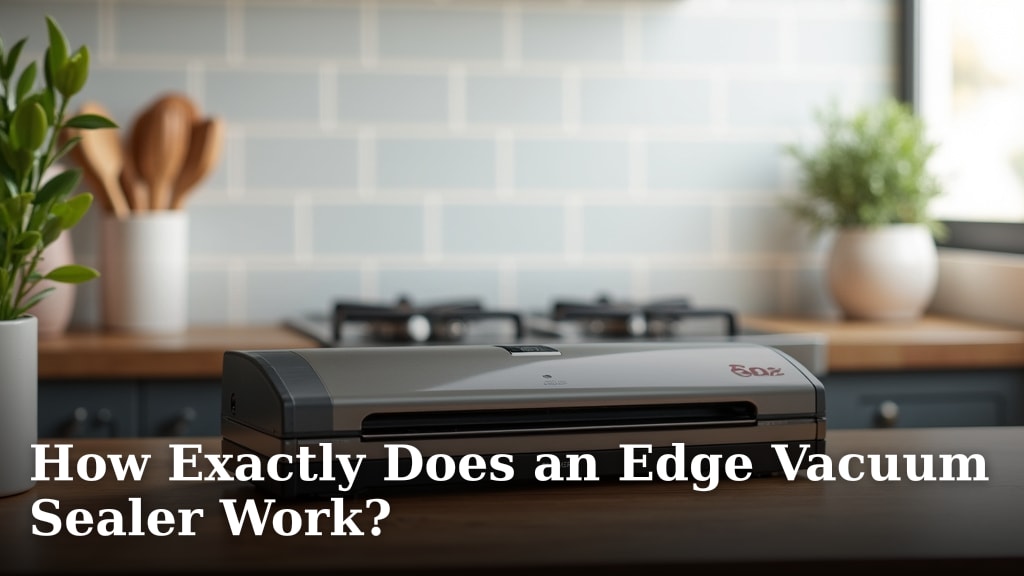
How Exactly Does an Edge Vacuum Sealer Work?
An edge vacuum sealer works by removing air from a special bag and then creating a tight seal. This process prevents food from being exposed to oxygen, which is key for extending its freshness and preventing freezer burn. You’ll often see these called “external” vacuum sealers because they seal bags from the outside, not from within a chamber like some other models.
These handy kitchen gadgets are great for preserving leftovers and preparing meals for sous vide cooking. By removing air, you not only keep food fresh longer but also save valuable freezer space. We found that mastering this simple process can really change how you store and prepare food.
- Edge vacuum sealers remove air and seal bags.
- This stops oxygen exposure, keeping food fresh.
- It’s great for preventing freezer burn.
- Edge sealers are also known as external vacuum sealers.
- They help save space in your freezer.
Let’s walk through exactly how this common kitchen appliance does its magic, step by step.
Here is the main body content for your blog post:Understanding How Your Edge Vacuum Sealer Operates
An edge vacuum sealer, also known as an external vacuum sealer, works by removing air from a specialized bag and then creating a robust seal. This simple yet effective process is your first line of defense against food spoilage. It stops oxygen from reaching your food, which is a key factor in keeping it fresh for longer.
The Core Mechanism: Air Removal
At its heart, an edge vacuum sealer is designed to suck the air out of a bag. You place your food inside a special textured bag. Then, you position the open end of the bag over a drip tray and against a sealing strip on the machine. When you start the cycle, a small vacuum pump kicks in.
This pump creates suction. It pulls air from inside the bag through the open edge. You’ll see the bag start to collapse around your food as the air is drawn out. This is the most important step in the whole process. It ensures your food isn’t exposed to the damaging effects of oxygen.
What Makes the Bags Special?
Not just any plastic bag will work with an edge vacuum sealer. These machines require specific types of bags, often called “textured” or “embossed” bags. Why? Because the texture creates tiny channels. These channels allow the air to be easily sucked out. Smooth bags would just stick together, trapping air inside.
We found that using the right bags makes a huge difference in performance. Using genuine accessories or bags designed for your specific sealer model is usually best. This ensures the suction can effectively pull out the air and create a good seal. It’s like needing the right key for a lock; the bag and machine need to be a good match.
Creating the Seal: Heat and Pressure
Once the air is out, the machine moves to the sealing stage. A heating element, often a thin wire, runs across the width of the bag’s opening. This wire gets hot very quickly. It melts the layers of the special bag material together. This creates an airtight barrier.
At the same time, pressure is applied to the bag. This pressure helps the melted plastic fuse together properly. It also ensures there are no tiny gaps. Imagine ironing a seam; heat and pressure create a strong bond. The machine holds this pressure for a few moments to let the seal cool and set.
The Role of the Drip Tray
You’ll notice a small tray or trough under the sealing area. This is the drip tray. Its primary job is to catch any moisture or liquids that might be sucked out of the bag during the vacuuming process. This prevents liquids from getting into the machine’s internal workings, which could cause damage.
Many drip trays are removable. This makes cleaning them easy after each use. Keeping the drip tray clean is important for hygiene and for the longevity of your sealer. It’s a simple feature, but it protects the appliance from potential messes. We found that rinsing it out after sealing moist foods is a good habit to get into.
Why Is Removing Air So Important?
The primary goal of vacuum sealing is to remove oxygen. Oxygen is a major culprit in food spoilage. It fuels the growth of bacteria, yeasts, and molds. It also causes food to oxidize, leading to changes in color, flavor, and texture. Reducing oxygen slows these processes dramatically.
Preventing Freezer Burn: A Kitchen Staple’s Enemy
Freezer burn is that unpleasant, dry, discolored patch that appears on frozen foods. It happens when food is exposed to air in the freezer. Ice crystals form and draw moisture out of the food. This leaves behind dry, leathery spots. Vacuum sealing prevents this by creating a barrier against the cold, dry air of the freezer.
When you remove the air, you’re essentially wrapping your food in a tight, protective cocoon. This cocoon prevents moisture loss. It also stops the formation of those dreaded ice crystals. Your frozen foods will retain their original moisture, flavor, and texture much better. Many home cooks find this benefit alone makes the appliance worthwhile.
Extending Food Freshness in the Refrigerator
Vacuum sealing isn’t just for the freezer. It’s also highly effective for refrigerating foods. Think about cheese, deli meats, or leftover meals. When exposed to air in the fridge, they can dry out or develop off-flavors faster. Vacuum-sealed items stay fresher for longer.
We found that sealed items don’t tend to absorb odors from other foods in the refrigerator either. This is another bonus benefit. It means your strawberries won’t pick up the scent of onions. Your sealed leftovers will taste just as they should when you reheat them. It helps maintain the quality and taste of your stored foods.
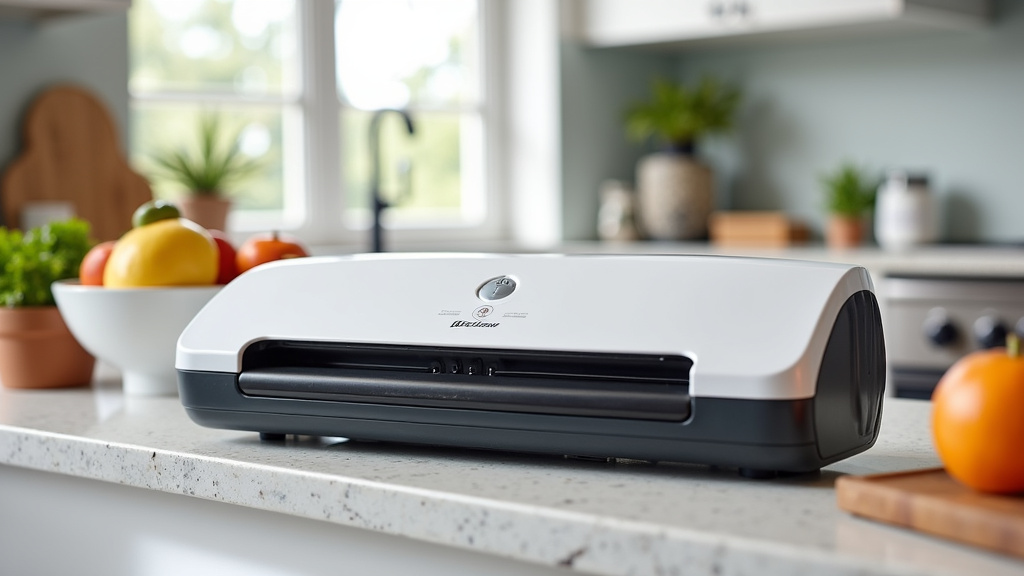
Beyond Freshness: Other Uses of Edge Sealers
While preserving food is the main attraction, edge vacuum sealers have other handy uses that can make your life easier. These are often overlooked benefits that can add a lot of value.
Meal Prep Made Easier
For those who love to meal prep, an edge vacuum sealer is a game-changer. You can portion out meals for the week into individual bags. Seal them up, and you have grab-and-go lunches or dinners ready to go. This saves time during busy weekdays.
It also means your prepped meals stay fresh for much longer in the refrigerator. You can prep food on Sunday and still have it taste great by Thursday. This consistency is a big win for anyone trying to eat healthier or stick to a budget. It reduces the temptation to order takeout.
Sous Vide Cooking Preparation
Sous vide cooking has become very popular. It involves cooking food in a temperature-controlled water bath. For this method, you need to seal food in a bag. An edge vacuum sealer is the perfect tool for this. It ensures the food is in a sealed, water-tight bag, which is essential for even cooking.
The vacuum sealing process removes air, ensuring the bag sits properly in the water bath. This allows for efficient heat transfer. Many recipes suggest vacuum sealing as the first step before submerging food. It’s a clean and effective way to prepare ingredients for this precise cooking technique. It helps achieve restaurant-quality results at home.
Protecting Non-Food Items
Did you know you can use your vacuum sealer for more than just food? Think about protecting important documents from moisture. You can seal emergency supplies, first-aid items, or even camping gear. This keeps them dry and protected from the elements.
Some people even use them to keep craft supplies fresh or prevent metals from tarnishing. It’s a versatile tool that extends beyond the kitchen pantry. Research has shown that moisture and air can degrade many materials over time. Keeping them sealed can extend their usable life (National Park Service).
A Quick Checklist for Using Your Sealer
- Choose the right type of bag.
- Ensure the bag opening is clean and dry.
- Place the open end correctly on the machine.
- Check that the drip tray is in place.
- Press the correct buttons to start vacuuming and sealing.
- Allow the machine to complete its cycle fully.
Conclusion
You’ve learned how your edge vacuum sealer works by removing air and creating a tight seal. This simple process protects your food from oxygen, preventing spoilage and freezer burn. You can keep your food fresh longer in both the fridge and freezer. Plus, it helps you save space and makes meal prep and sous vide cooking much easier. Now that you understand the mechanics, you can confidently use your sealer for all your food storage needs.
Frequently Asked Questions
Can I use any plastic bag with an edge vacuum sealer?
No, you need to use special textured or embossed bags. These bags have tiny channels that allow air to be effectively removed. Smooth bags will not allow the machine to create a proper vacuum seal.
What is the drip tray for on my vacuum sealer?
The drip tray is designed to catch any liquids or moisture that might be pulled from the food during the vacuuming process. This prevents fluids from entering and damaging the internal parts of your sealer.
How does vacuum sealing prevent freezer burn?
By removing the air, your food is encased in a tight barrier. This barrier prevents cold, dry freezer air from coming into contact with the food. It stops ice crystals from forming and drawing out moisture, which causes freezer burn.
Can I use my edge vacuum sealer for liquids like soup?
It’s generally not recommended to vacuum seal thin liquids directly. The suction can pull the liquid into the machine. You can try sealing thicker liquids or use a technique where you freeze the liquid solid in the bag before sealing.
Why does my vacuum sealer sometimes leave a little air in the bag?
This can happen if the bag opening wasn’t placed correctly on the sealing strip, or if it wasn’t clean and dry. Sometimes, the food itself might have sharp edges that prevent a perfect seal. Ensuring the bag is flat and free of moisture at the opening usually helps.