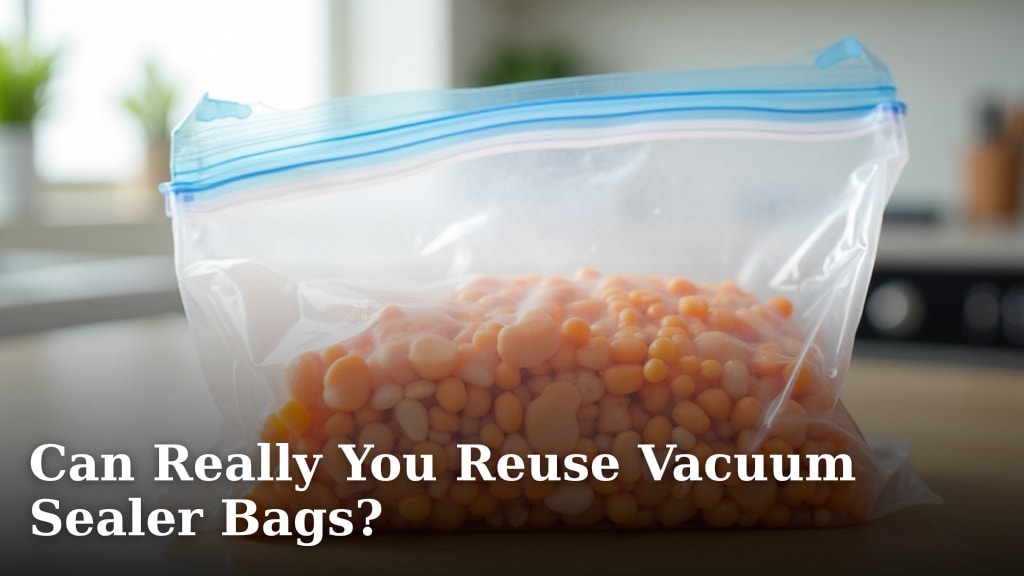
Can Really You Reuse Vacuum Sealer Bags?
Yes, you can often reuse vacuum sealer bags, but it’s not always a simple yes or no. Many bags can be reused for **dry goods** if they haven’t been compromised. However, reusing bags that held **raw meats or liquids** is generally not recommended due to food safety concerns.
The decision to reuse depends on what you sealed and how you sealed it. Things like **flour, sugar, or non-food items** are usually safe bets for a second go. The key is to ensure the bag is still airtight and completely clean after its first use.
- Reusing is possible for dry, non-food items.
- Avoid reusing bags that held raw meat or liquids.
- Check for any signs of damage or contamination.
- Washability depends on the bag’s material and your method.
- Consider purchasing new bags for highest safety.
Let’s walk through exactly when and how you might be able to get a little more life out of your vacuum sealer bags. Let’s walk through exactly when and how you might be able to get a little more life out of your vacuum sealer bags.
Can You Really Get More Use Out of Vacuum Sealer Bags?
Thinking about reusing your vacuum sealer bags? It’s a common question for anyone looking to save a little money or reduce waste. The short answer is: yes, sometimes. But it comes with some important conditions, mostly centered around food safety and the type of food you sealed.
When Reusing a Vacuum Sealer Bag is Okay
You’ll have the best luck reusing vacuum sealer bags when they’ve only been used for dry, non-perishable goods. Think about things like flour, sugar, coffee beans, or dried pasta. These items don’t leave behind moisture or food particles that can easily harbor bacteria.
Dry Goods: The Safest Bet
When you’ve sealed up a bag of homemade dog treats or perhaps some bulk spices, these are prime candidates for a second life. The key here is that the bag must be completely empty and spotless after you open it. If there’s any residue, even a little bit of dust, you might want to reconsider.
Non-Food Items: A Worry-Free Option
What about non-food items? If you’ve used your vacuum sealer to store things like important documents, silver heirlooms to prevent tarnishing, or even craft supplies, these bags are generally safe to reuse. These items don’t pose a food safety risk, so your main concern is just ensuring the bag is still structurally sound and can hold a vacuum.
When You Absolutely Should NOT Reuse Vacuum Sealer Bags
Now, let’s talk about the situations where reusing a vacuum sealer bag is a definite no-go. The primary concern here is food safety, and for good reason. You don’t want to accidentally cross-contaminate your food.
Raw Meats and Poultry: A Strict No-Fly Zone
This is probably the most critical rule. If a bag has ever contained raw meat, poultry, or seafood, you must discard it. These items are notorious for carrying bacteria like Salmonella and E. coli. Even thorough washing might not remove all microscopic traces of these harmful pathogens. The Centers for Disease Control and Prevention (CDC) strongly advises against reusing packaging that has come into contact with raw meat or poultry due to the risk of cross-contamination.
Cooked Meats and Other Leftovers: Proceed with Caution
What about cooked meats or leftovers? While less risky than raw items, it’s still generally not recommended. Any liquid or fat from these foods can soak into the bag material. Even if you wash the bag, these remnants can be difficult to remove completely. This can lead to lingering odors or, more importantly, a breeding ground for bacteria. If you’re sealing something that had a lot of moisture, like a saucy pasta dish, it’s best to use a new bag.
Cheeses and Other High-Moisture Foods: A Risky Proposition
Certain foods, like many types of cheese, can be quite oily or moist. Even if you can wash the bag, there’s a good chance that some of the food’s essence will remain. This can affect the taste of whatever you choose to seal next, or worse, harbor bacteria. Think of it like trying to get the smell of strong cheese out of a plastic container; it’s often a losing battle. For these items, a new bag is your best bet.
How to Prepare a Vacuum Sealer Bag for Reuse (If You Choose To)
If you’ve determined that your bag is a candidate for reuse (meaning it held dry, non-food items), here’s how you might go about cleaning it. Remember, the goal is a completely clean and dry bag.
The Washing Process: Gentle Yet Thorough
You’ll want to wash the bag using warm, soapy water. Gentle dish soap works well. You can turn the bag inside out if possible to get a better scrub. Pay close attention to any corners or seams where food particles might hide. Some experts suggest using a mild bleach solution for sanitizing, but this should be done with caution and rinsed thoroughly, ensuring no bleach residue remains. However, many reusable bag manufacturers advise against using harsh chemicals.
Rinsing and Drying: Absolutely Essential Steps
After washing, rinse the bag meticulously. You don’t want any soap residue left behind, as this could affect the taste of future food items or prevent a proper seal. The most crucial part is drying. You need the bag to be completely dry, both inside and out. Air drying on a dish rack or a clean line is usually best. Make sure there’s no moisture trapped in the corners before you attempt to reseal anything.
Checking for Damage: The Seal of Approval
Before you try to vacuum seal again, carefully inspect the bag. Look for any pinholes, tears, or weak spots along the seams. If the bag’s material looks thin or compromised, it’s probably not worth the risk. A damaged bag won’t hold a vacuum properly, defeating the purpose of your vacuum sealer and potentially exposing your food to air.
Understanding Bag Materials and Their Reusability
Not all vacuum sealer bags are created equal. The material they’re made from can influence how well they hold up to washing and whether they are suitable for reuse.
| Bag Type | Typical Reusability | Considerations |
|---|---|---|
| Generic BPA-Free Plastic | Sometimes, for dry goods | Can be harder to clean thoroughly. May degrade over time. |
| Heavy-Duty Embossed Bags | Sometimes, for dry goods | Often designed for multiple uses by some manufacturers. Still check for cleanliness. |
| Bags with Special Coatings | Generally not recommended | Coatings could be damaged by washing, affecting seal quality or safety. |
| Commercial Grade Bags | Check manufacturer instructions | Some are specifically designed for reuse. Read labels carefully. |
When to Just Buy New Bags: Peace of Mind Matters
Ultimately, the decision to reuse a vacuum sealer bag comes down to your comfort level and the specific item you sealed. If there’s any doubt, especially when it comes to food, it’s always safest to reach for a brand-new bag.
The Cost Factor: Weighing Savings Against Risk
New vacuum sealer bags are an investment, but they are relatively inexpensive compared to the cost of food spoilage or, worse, a foodborne illness. While reusing can save a few cents, the potential risks might outweigh the savings. Many food safety guidelines, like those from the U.S. Food and Drug Administration (FDA), emphasize using clean and appropriate packaging to prevent contamination.
Your Kitchen, Your Rules
You know your kitchen best. If you’re meticulous about cleaning and confident that a bag is truly free of any contaminants, then reusing it for appropriate items might work for you. However, if you’re ever unsure, it’s always best to err on the side of caution. Think of it as an insurance policy for your food and your health.
Quick Checklist: Should You Reuse This Bag?
Before you decide to give a vacuum sealer bag a second chance, ask yourself these quick questions:
- Did the bag only contain dry goods or non-food items?
- Is the bag completely empty with no residue?
- Have you washed and thoroughly dried it?
- Are there any signs of damage like tears or weak spots?
- Do you feel 100% confident about its cleanliness?
If you answered “no” to any of these, it’s time for a new bag.
Conclusion
You’ve learned that reusing vacuum sealer bags is possible, but it demands careful judgment. Stick to bags that held dry goods or non-food items. Always prioritize food safety by avoiding any bag that contained raw meat, poultry, seafood, or moist leftovers. If you choose to reuse, ensure the bag is impeccably clean, completely dry, and free from any damage. When in doubt, especially about cleanliness or the type of food sealed, reaching for a new bag is your safest bet for peace of mind.
Frequently Asked Questions
Can I reuse vacuum sealer bags for frozen fruits or vegetables?
It’s generally not recommended to reuse bags for fruits or vegetables, even if frozen. Moisture or tiny food particles can cling to the bag’s surface or seams, making thorough cleaning difficult. This can lead to bacteria growth or affect the seal quality for future use.
What’s the best way to clean a vacuum sealer bag for reuse?
For bags you choose to reuse, wash them inside out with warm, soapy water. Rinse them thoroughly to remove all soap residue, which is vital for a good seal and preventing off-flavors. Then, ensure the bag is completely air-dried before attempting to reseal anything.
How long can I expect a reused vacuum sealer bag to last?
The lifespan of a reused bag depends on its original quality and how well you clean and store it. Bags that have been washed and dried properly can often be reused multiple times for dry goods. However, inspect them for any signs of wear or damage before each use.
Will reusing vacuum sealer bags affect the vacuum seal quality?
If a bag has been damaged, stretched out, or isn’t perfectly dry, it might affect the vacuum seal quality. Even tiny microscopic tears or residual moisture can prevent the bag from achieving a strong, airtight seal.
Is it safe to reuse bags that stored spices or herbs?
Yes, reusing bags that held dry spices or herbs is usually safe. These items are typically dry and don’t leave behind moisture or oily residues. Just ensure the bag is completely empty, clean, and dry before you use it again.