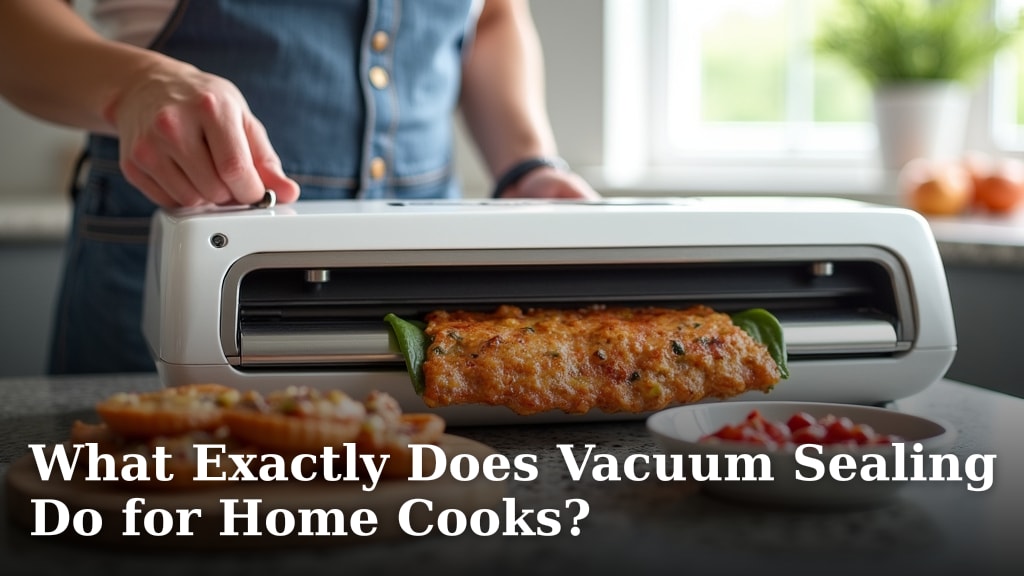
What Exactly Does Vacuum Sealing Do for Home Cooks?
Vacuum sealing helps home cooks by removing air from food storage bags or containers. This process slows down spoilage significantly, keeping your food fresh much longer. It works by creating an airtight seal that protects against oxygen and moisture.
You might be wondering if vacuum sealing is really worth it. We found that it truly extends the life of your groceries, from fresh meats and produce to pantry staples. This means less food waste and more savings for you. It’s a simple change that makes a big difference in your kitchen.
- Food stays fresh 3-5x longer.
- Prevents freezer burn.
- Marinates food faster.
- Helps with meal prep.
- Saves money on groceries.
Let’s dive into exactly what vacuum sealing does and how it can make your home cooking easier and more efficient.
How Vacuum Sealing Transforms Your Home Kitchen
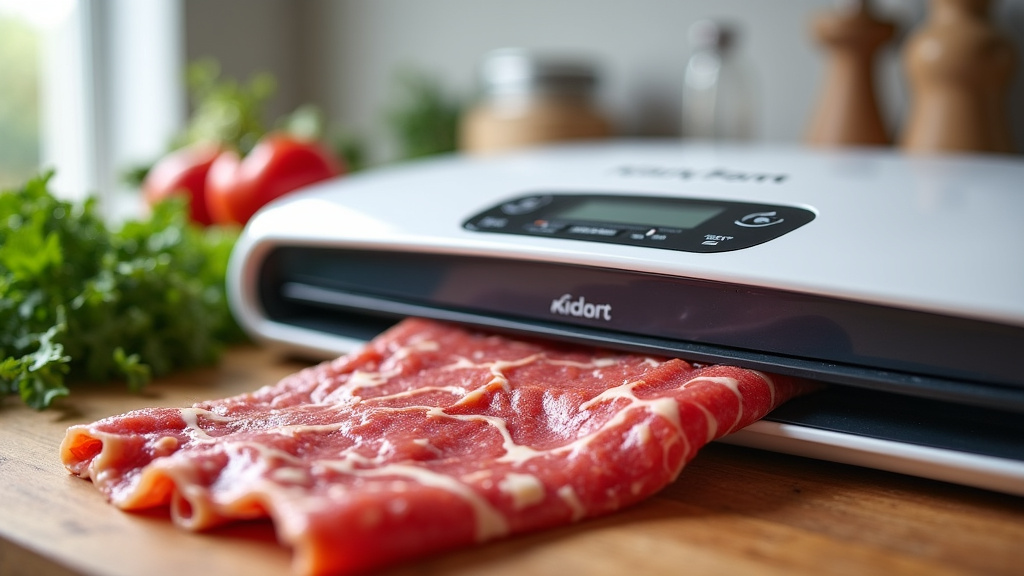
You’re curious about what vacuum sealing actually does, right? At its core, vacuum sealing removes air from around your food. Why is this important? Because air contains oxygen and moisture, two big culprits behind food spoilage. When you take these away, you drastically slow down the processes that make food go bad. Think of it as hitting the pause button on decay.
The Science Behind Food Preservation
It’s not magic; it’s science. Food spoils due to several factors, including the growth of microorganisms like bacteria and mold, and chemical reactions like oxidation. Oxygen is vital for many of these processes. By removing oxygen, vacuum sealing starves these spoilage agents. You create an environment where they can’t thrive as easily.
Understanding Oxygen’s Role in Spoilage
Imagine an apple slice turning brown after you cut it. That’s oxidation at work. Oxygen reacts with the fruit’s enzymes, causing discoloration and flavor changes. The same thing happens with fats in meat, leading to rancidity. When you vacuum seal, you significantly reduce the amount of oxygen touching your food. This keeps colors brighter, flavors truer, and textures firmer for much longer.
Extending Food Freshness and Shelf Life
One of the biggest benefits you’ll notice is how much longer your food lasts. We found that vacuum-sealed foods can stay fresh three to five times longer than those stored in traditional ways. This means fewer trips to the grocery store and less pressure to eat food before it spoils. It’s like having extra time built into your pantry and fridge.
Preventing Freezer Burn
Have you ever pulled a forgotten steak from the freezer, only to find it covered in icy patches and looking dry? That’s freezer burn. It happens when moisture escapes from your food and then refreezes on the surface as ice crystals. Air pockets in regular freezer bags are the main cause. Vacuum sealing removes these air pockets, keeping your food’s natural moisture locked in. Your frozen food will taste much better, closer to fresh, when you finally cook it.
Delaying Mold and Bacterial Growth
Mold and bacteria need oxygen and moisture to grow. By removing both, vacuum sealing creates a hostile environment for them. While it doesn’t kill existing bacteria, it dramatically slows down their multiplication. This is why vacuum-sealed foods stay safe and fresh for extended periods, both in the refrigerator and freezer. You’re giving your food a better chance against these microscopic invaders.
Money Savings and Waste Reduction
When your food lasts longer, you throw less away. This directly translates into savings on your grocery bill. Think about those times you’ve tossed wilted greens or past-their-prime berries. With vacuum sealing, you can buy in bulk when sales are good, then seal and store portions for later. We found this strategy significantly reduces food waste in many homes.
Here’s a quick look at where you can save:
- Bulk Purchases: Buy large packs of meat, cheese, or produce on sale and divide them into meal-sized portions.
- Leftovers: Extend the life of cooked meals, reducing waste from forgotten containers in the back of the fridge.
- Produce: Keep fruits and vegetables fresh for weeks, not days.
- Pantry Staples: Protect nuts, coffee, and dry goods from staleness and pests.
Enhancing Food Quality and Flavor
Beyond preservation, vacuum sealing can actually improve the taste and texture of your food. By keeping air away, you protect the delicate flavors and aromas from degrading. We’ve heard many home cooks say their vacuum-sealed meats taste juicier and their vegetables maintain their crispness better.
Faster Marinating
This is a fun one! When you vacuum seal marinated food, the pressure difference forces the marinade deeper into the food’s fibers. This means your chicken or steak absorbs flavors much faster, often in just 20-30 minutes instead of several hours. It’s a great trick for busy weeknights when you want maximum flavor with minimal waiting.
Sous Vide Cooking Made Easy
If you’re into precision cooking, vacuum sealing is essential for sous vide. This cooking method involves sealing food in a bag and cooking it in a precisely temperature-controlled water bath. Vacuum sealing ensures even cooking and prevents water from reaching your food, resulting in perfectly cooked meats, fish, and vegetables every time. Many professional chefs use this technique for consistently amazing results.
Organizational Benefits in the Kitchen
A tidy kitchen is a happy kitchen, right? Vacuum sealing helps keep your fridge, freezer, and pantry organized. The bags are compact and stackable, making efficient use of space. You can clearly label each package with contents and dates, so you always know what you have and when it needs to be used.
Consider this checklist for an organized kitchen:
- Clear labels on all packages.
- Uniformly sized sealed bags stack neatly.
- Less clutter from bulky containers.
- Easier to find specific items in a full freezer.
- Portion control for meal prepping.
Beyond Food: Other Household Uses
Vacuum sealers aren’t just for food, you know. They can be incredibly handy for protecting other items around the house. Think about important documents, silver jewelry (to prevent tarnishing), or even emergency kits. By removing air, you protect items from moisture, dust, and oxidation. It’s a versatile tool that extends its usefulness beyond the kitchen.
Protecting Valuables and Important Items
Imagine keeping your family photos, passports, or vital papers safe from water damage or pests. Vacuum sealing can do that. It creates an airtight, waterproof barrier that gives you peace of mind during floods, storage, or even just daily life. We’ve seen people use them to protect everything from heirloom recipes to sensitive electronics.
It’s clear that vacuum sealing offers a wide range of benefits for the home cook. From preserving freshness and preventing waste to simplifying meal prep and even organizing your kitchen, it’s a tool that can truly change how you interact with your food. You’ll find yourself saving money, enjoying better-tasting meals, and feeling more in control of your groceries.
Conclusion
As you’ve seen, vacuum sealing offers so much more than just basic food storage. It’s a powerful tool that truly transforms your home kitchen, saving you money and cutting down on food waste. You gain extended freshness, protection from freezer burn, and even faster marinating times.
By understanding what vacuum sealing does, you can make smarter choices about how you buy, store, and cook your food. We believe this simple change will lead to a more efficient and enjoyable cooking experience. So, consider adding a vacuum sealer to your kitchen tools and start enjoying the many benefits today.
Frequently Asked Questions
Is vacuum-sealed food safe to eat after its original expiration date?
Vacuum sealing significantly slows spoilage, but it doesn’t stop it completely. While food will stay fresh much longer, you should still use your judgment. Always check for signs of spoilage like off-smells or discoloration, even if it’s sealed. For perishable items, freezing is still the best long-term solution.
Can I vacuum seal liquids or very moist foods?
Yes, you can, but it requires a slightly different approach. For liquids like soups or sauces, freeze them first until solid, then vacuum seal the frozen block. For very moist foods, you can freeze them for a short time to firm them up or place a paper towel in the bag to absorb excess moisture before sealing.
Do all vacuum sealers work the same way?
Most home vacuum sealers operate on the same principle: removing air and heat-sealing the bag. However, features vary. Some have options for moist or dry foods, external hose attachments for canisters, or different suction strengths. We found that even basic models offer great benefits for home cooks.
Can I reuse vacuum sealer bags?
It depends on what you sealed and if the bag was cut or cleaned properly. If you sealed dry goods and the bag wasn’t cut too short, you can often wash and reuse it. For raw meats or anything that could harbor bacteria, it’s safer to use a new bag each time to prevent cross-contamination.
Does vacuum sealing remove all the oxygen?
Home vacuum sealers remove about 99.9% of the air from the bag. While it’s not a perfect vacuum, this is more than enough to drastically slow down oxygen-dependent spoilage. This small remaining amount of oxygen has a minimal impact on the extended freshness you’ll experience.