Pros and Cons of Vacuum Sealing Food: A Simple Guide
The main pros of vacuum sealing food are preventing freezer burn, extending freshness, and saving money, while the biggest cons are the upfront cost of a sealer and the learning curve for different foods. It is a highly effective method for food preservation, but it’s not perfect for every single item.
We found that this kitchen tool solves common headaches like wasted groceries and messy leftovers. It creates an airtight seal that protects food from air and moisture. This simple process can make your food last significantly longer in the freezer or fridge.
- It drastically reduces food waste and saves you money over time.
- It keeps freezer-burn taste away from meats, veggies, and leftovers.
- It helps with portion control and makes meal prep easier.
- It requires a special machine, bags, and some practice to get right.
- Not all foods (like soft bread or delicate berries) are ideal for sealing.
Below, we break down the good and the bad so you can decide if vacuum sealing is a smart move for your kitchen.
Weighing the Benefits and Drawbacks of Vacuum Sealing Food
So, you’ve heard about vacuum sealing and you’re wondering if it’s worth the hype in your kitchen. Let’s cut straight to it: this method is a powerhouse for some tasks, but it has its limits. We’ll look at the real-world advantages and the honest downsides so you can decide what works for your groceries and your lifestyle.
The Top Advantages: Why Vacuum Sealing Works
The core benefit is creating a near-perfect **barrier against air**. This simple act of removing oxygen and sealing the package unlocks several major perks for your food.
Preventing Freezer Burn and Extending Freshness
Freezer burn is the enemy of stored food. It happens when air reaches the surface, pulling out moisture and causing dehydration and oxidation. We found that studies on food preservation consistently point to oxygen as the main culprit. Vacuum sealing physically removes this air, creating an **airless bubble wrap** around your food. This process dramatically slows down spoilage. According to the USDA, properly vacuum-sealed foods can maintain their quality in the freezer for two to three times longer than foods stored in regular packaging. Your steaks, berries, and leftovers stay tasting fresh, not like a frostbitten memory.
Saving Money by Reducing Food Waste
Think about the last time you tossed out slimy spinach or a freezer-burned chicken breast. That’s money straight into the trash can. Vacuum sealing fights this waste on two fronts. First, it **extends the life** of fresh produce and leftovers in your fridge, giving you more time to use them. Second, it lets you buy in bulk when prices are low and seal individual portions for later. Research from the Natural Resources Defense Council highlights that households waste a significant amount of purchased food. By preserving what you buy, you directly **protect your grocery budget**.
Best Candidates for the Freezer
Not everything benefits equally, but these foods shine when vacuum sealed and frozen:
- Meats and seafood (raw or cooked)
- Hard cheeses
- Vegetables (blanched first for best results)
- Coffee beans and dry goods like flour
- Leftover soups and sauces (freeze flat in bags first)
Improving Organization and Portion Control
Imagine your freezer as a tidy library, not a chaotic junk drawer. Vacuum-sealed bags are flat, stackable, and **uniform in shape**. You can label them clearly with contents and date. This makes meal prep a breeze. We found that many busy families use this method to pre-portion **individual servings** of chicken, vegetables, or marinated meats. You grab exactly what you need for a meal, thaw it safely, and avoid defrosting a giant block of food you won’t use all at once.
The Downsides: What to Consider Before You Buy
It’s not a magic solution for every food or every person. Knowing the cons helps you set realistic expectations and avoid frustrating mistakes.
The Upfront Cost of Equipment and Bags
Let’s be real: this isn’t a free process. A quality home vacuum sealer typically costs between $50 and $200. The ongoing cost of replacement bags or rolls is also a factor. While this investment can pay for itself through **reduced food waste** over time, it is a tangible initial expense. We recommend starting with a mid-range model if you plan to use it regularly. Cheaper models may not provide a strong enough seal for long-term storage.
The Learning Curve and Technique Required
You can’t just toss any food in a bag and hit the seal button. There’s a **learning curve**. Delicate foods like bread, soft pastries, and ripe berries can be crushed by the machine’s vacuum pressure. Liquids and marinades can get sucked into the sealer’s nozzle, creating a mess and potentially damaging the unit. You need to learn techniques like the “freeze-first” method for wet foods or using special textured bags for liquids. It takes practice to get consistent, airtight seals every time.
Foods That Are Poor Candidates for Vacuum Sealing
Proceed with caution or avoid vacuum sealing these items altogether:
- Soft, porous foods (mushrooms, soft cheeses, baked goods)
- Raw vegetables with high water content (like celery or lettuce without blanching)
- Very sharp foods (chicken bones, as they can puncture the bag)
- Fermenting foods (they need to release gases)
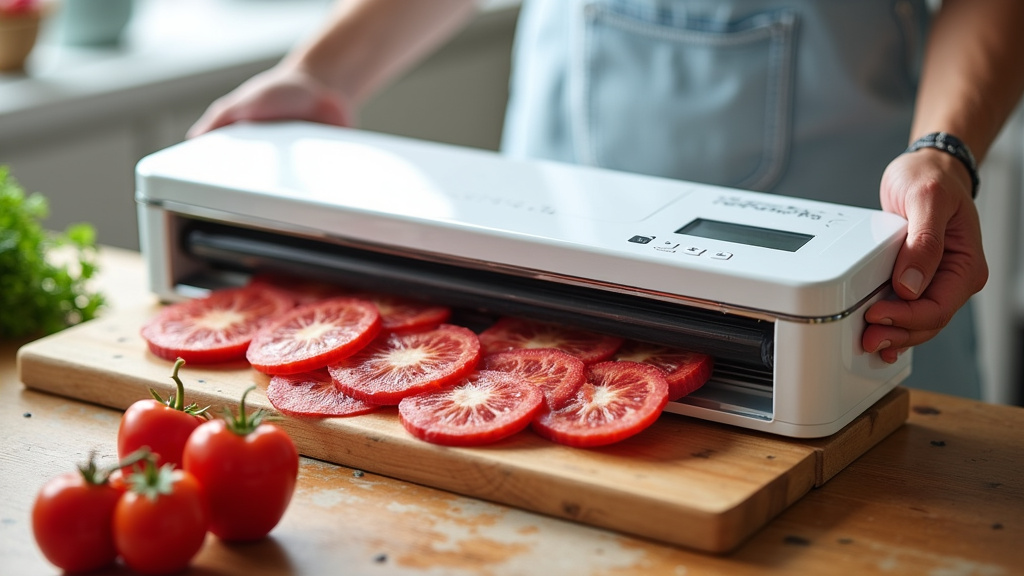
Practical Tips for Success and Safety
Knowing the pros and cons is half the battle. Here’s how to navigate the process effectively and safely.
Essential Techniques to Master
A few key techniques will save you headaches. Always **leave adequate headspace** in the bag for liquids or foods that expand. Double-seal bags for extra security, especially for long-term freezer storage. If you’re sealing marinated foods, partially freeze the marinade first to prevent it from being pulled out. And always **clean the sealing gasket and nozzle** regularly. Food particles trapped here can break the vacuum and cause a weak seal.
Food Safety Is Non-Negotiable
Vacuum sealing doesn’t kill bacteria; it just **slows their growth** by removing oxygen. It is a preservation tool, not a sterilization tool. Always start with **fresh, clean food**. According to the CDC, you should never vacuum seal foods that have been left at room temperature for more than two hours. The environment inside a sealed bag can still support the growth of dangerous pathogens like Clostridium botulinum if temperature control isn’t maintained. This is why vacuum-sealed foods **must be refrigerated or frozen promptly**.
| Aspect | The Pros (Why It’s Great) | The Cons (What to Watch For) |
|---|---|---|
| Freshness | Dramatically extends freezer life by preventing freezer burn and oxidation. | Does not cook or sterilize food; bacteria can still grow if temperature is unsafe. |
| Cost | Saves money long-term by reducing waste and enabling bulk buying. | Requires an initial investment in a sealer and ongoing cost for bags. |
| Convenience | Great for meal prep, portioning, and organized freezer storage. | Has a learning curve; not all foods are suitable and require special handling. |
| Best For | Meats, blanched vegetables, hard cheeses, dry goods, and leftovers. | Poor for soft breads, ripe berries, raw celery, and very moist or liquid items. |
A Quick-Reference Checklist: Should You Vacuum Seal It?
Before you seal a new food for the first time, run through this mental checklist. It helps you avoid the most common pitfalls.
- Is it fresh to start with? Never seal already spoiled or questionable food.
- Is it dry or pre-frozen? Moisture and liquids are tricky; pre-freezing wet items helps.
- Is it soft or easily crushed? Delicate items may need a gentler method like water displacement.
- Is it ready for long-term storage? Ensure it’s properly labeled with contents and today’s date.
- Do you have a plan to refrigerate or freeze it immediately? Safety first, always.
Alternatives When Vacuum Sealing Isn’t Ideal
If vacuum sealing feels like overkill or isn’t right for a specific item, don’t worry. **Reusable silicone bags** with a good seal work well for short-term fridge storage. The classic method of **freezing foods in airtight containers** or heavy-duty freezer bags (with as much air pressed out as possible) is still perfectly effective for many everyday items. The goal is smart preservation, and there’s more than one tool for the job.
Understanding both sides of the coin is key. Vacuum sealing is a fantastic technique that can transform how you shop, store, and save food, but it works best when you know exactly what you’re sealing and why.
Conclusion
So, is a vacuum sealer the right tool for your kitchen? It depends on your habits. We found that the **massive reduction in food waste** and the ability to keep food tasting fresh for months are powerful benefits. You can save real money, especially if you buy in bulk or hate tossing spoiled groceries. But you must also consider the **initial cost and the time needed to learn proper techniques**. Not every food is a good fit, and safety is paramount. If you’re ready to tackle freezer burn and messy leftovers, start with a mid-range sealer and practice on sturdy foods like meats or hard cheeses.
Frequently Asked Questions
Is vacuum sealing food really worth the cost?
For many households, yes. The savings come from **dramatically reducing food waste** over time. If you regularly throw away produce or freezer-burned meats, the sealer pays for itself. We recommend calculating how much food you typically toss each month to estimate your potential savings.
Can I vacuum seal any food in my fridge?
No, some foods are not ideal. **Soft, porous items** like bread, soft cheeses, and ripe berries can be crushed. Foods with sharp edges (like chicken bones) can puncture the bag. Always research the specific food or use gentle methods like the water displacement technique for delicate items.
What’s a good alternative if I don’t want to buy a sealer?
You can still reduce waste with **high-quality reusable silicone bags** or by carefully removing air from freezer bags before sealing. For long-term storage, airtight containers work well for many dry goods and leftovers. The key is minimizing air exposure, not just the tool itself.
How long do vacuum-sealed foods actually last?
It varies by food and storage location. In the freezer, vacuum sealing can **extend quality from two to three times longer** than regular packaging. In the fridge, it might add a few extra days to the lifespan of fresh meat or cheese. Always use your senses and the dates you label on the bag.
Does vacuum sealing make food completely safe from bacteria?
No, it does not. Vacuum sealing **slows spoilage by removing oxygen**, but it doesn’t kill bacteria. Food safety depends on starting with fresh food and **maintaining safe temperatures**. Always refrigerate or freeze sealed foods promptly, just as you would with any other storage method.