
Can Really You Vacuum Seal Anything at Home?
Yes, you can vacuum seal quite a lot of different things at home! With a good vacuum sealer machine, you can preserve food, protect non-food items, and even save space. It’s a fantastic way to reduce waste and keep your belongings in great condition. You might be surprised at how versatile it really is.
Most common foods, like meats, vegetables, and cheeses, vacuum seal perfectly. You can also seal liquids if you use the right technique. It’s not just for the kitchen, either! Many people use vacuum sealing for travel packing or storing important documents. We found that the key is often in the type of bag you use and how you prepare the item.
- You can vacuum seal most foods, including raw meats and vegetables.
- Liquids can be sealed with care and the right methods.
- It’s useful for non-food items like documents or travel clothes.
- Proper bags and preparation are key to success.
- Check your machine’s manual for specific food types.
Let’s walk through exactly what you can and can’t seal, and some handy tips to get the best results with your vacuum sealer.
What Can You Really Vacuum Seal at Home?
You’ve probably seen those shiny vacuum sealers and wondered, “Can I really seal *anything* with this thing?” The short answer is: almost anything you can fit in the bag! It’s a handy tool for more than just freezing steaks. We found that with the right bags and a little know-how, you can preserve food, protect non-food items, and even make your pantry tidier.
Sealing Fresh Foods for the Freezer
This is where most people start, and for good reason. Vacuum sealing is a superstar for food preservation. It removes air, which is the enemy of freshness. Less air means less freezer burn and longer storage times.
Meats, Poultry, and Fish
Raw or cooked, these items do wonderfully. Think about your favorite cuts of steak, chicken breasts, or fish fillets. Pop them in a bag, seal it up, and toss them in the freezer. We found that this method can extend their freezer life by 3 to 5 times compared to traditional freezer bags or wrap (USDA recommendations).
Fruits and Vegetables
Got a garden bounty or a sale on berries? You can seal those too! It’s important to blanch most vegetables first. This means a quick dip in boiling water, then an ice bath. It stops enzyme action that can cause spoilage. For fruits like berries or chopped apples, freezing them slightly on a tray before sealing can prevent them from getting crushed in the bag. This simple step makes a big difference in maintaining their shape and texture.
Cheeses and Dairy
Hard cheeses, like cheddar or Parmesan, seal beautifully. You can keep them fresh in the fridge for weeks, sometimes months longer. For softer cheeses, it’s a bit trickier. Some people have success, but we found that very soft cheeses might get a bit squished. It’s always best to check your machine’s specific guidelines for dairy.
Dry Goods
Think oats, rice, pasta, beans, flour, and sugar. Vacuum sealing these dry goods is fantastic for protecting them from moisture and pests. This is especially useful if you buy in bulk. Your pantry will thank you for the organized, long-lasting storage!
Tackling Liquids: Yes, You Can!
Ah, liquids. The notorious challenge for vacuum sealers. But don’t let that stop you! You absolutely can vacuum seal liquids, you just need a few extra tricks up your sleeve.
Soups, Stocks, and Sauces
The key here is to pre-freeze your liquids. Pour them into a freezer-safe container or ice cube tray and freeze them solid. Once frozen, you can easily vacuum seal them. This prevents any messy spills during the sealing process. It’s a neat trick we learned that works like a charm!
Marinades and Salad Dressings
Similar to soups, freezing these beforehand is your best bet. You can also use the “double bag” method for thicker liquids, where you place a sealed bag inside another bag. This adds an extra layer of protection. Many people use small, pre-portioned containers for freezing, making for easy grab-and-go flavor boosters.
The “Pillow Pack” Technique
For liquids you want to keep unfrozen, you can try a technique often called a “pillow pack.” This involves sealing the bag with a bit of air left in it. It’s not a perfect vacuum seal, but it helps protect the liquid from contamination while allowing for some expansion. This is useful for things like fresh olive oil or homemade vinegar.
Beyond the Kitchen: Non-Food Uses
Your vacuum sealer isn’t just for edible items. It’s a versatile tool that can help organize and protect many other things in your home.
Travel Packing Hacks
Ever feel like your suitcase is too small? Vacuum sealers are brilliant for packing clothes. Place clothes in a sealable bag, remove the air, and watch them shrink down. This saves a surprising amount of space. Many travelers swear by this method to fit more into their luggage. It also protects your clothes from getting wet or dirty.
Protecting Important Documents
Keep important papers safe from moisture, dust, and even pests. Think birth certificates, social security cards, deeds, or old photos. Sealing them in a vacuum bag provides a reliable barrier against damage. For very important documents, some people use archival-quality bags for extra peace of mind. We found this is a simple way to add a layer of security.
Crafting and Hobby Supplies
Are you a crafter? Keep your yarn, beads, glitter, or fabric scraps organized and protected. Vacuum sealing prevents dust from settling and keeps items from spilling. This is especially helpful for small items that can easily get lost or mixed up. It keeps your supplies in pristine condition for your next project.
Emergency Preparedness Kits
When building an emergency kit, every bit of space counts. Seal essential items like matches, first-aid supplies, or important documents. This ensures they remain dry and protected for when you might need them most. It’s a smart way to maximize space and ensure readiness.
What You Should Be Careful With (or Avoid)
While vacuum sealing is incredibly versatile, there are a few things that require extra caution or are best left unsealed.
Soft, Porous Foods
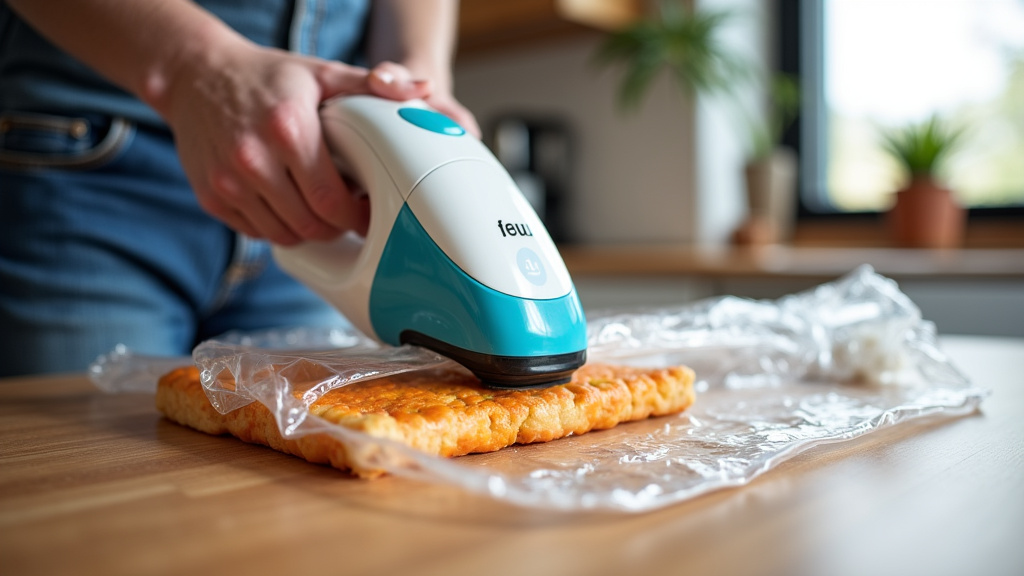
Items like mushrooms or soft baked goods can sometimes get crushed or misshapen during the vacuum sealing process. They can also lose their texture. If you want to seal these, consider using the gentle “seal only” function on your machine, or freeze them slightly first.
Raw Fish with High Fat Content
Some experts suggest caution with fatty raw fish. The oils can sometimes degrade the plastic over time, potentially affecting the seal. It’s generally safer to cook these items before vacuum sealing them. Research from food safety organizations often points to proper cooking as the best method for these items (FDA).
Very Dusty or Powdery Items
Things like fine flour or spices can sometimes get sucked into the vacuum sealer’s mechanism, potentially damaging the machine. If you must seal them, try placing the powder in a smaller, sealed bag inside the main vacuum bag, or use a machine with a specialized accessory for canisters.
Objects with Sharp Edges
Sharp items, like certain tools or unfinished wooden projects, can puncture the vacuum bag. If you need to seal such items, reinforce the bag with an extra layer or place a protective barrier (like cardboard) between the item and the bag. This prevents costly punctures and ensures a good seal.
Making the Most of Your Vacuum Sealer: A Quick Checklist
Ready to get started or improve your sealing game? Here’s a handy checklist to keep in mind:
- Choose the right bags: Always use bags designed for vacuum sealers.
- Prepare your food: Blanch veggies, freeze liquids, or slightly freeze soft items.
- Keep it clean: Wipe the sealing strip on your machine regularly.
- Watch the seal line: Make sure there’s no moisture or food debris on the sealing area.
- Pre-freeze for liquids: This is your best friend for soups, stocks, and sauces.
- Test and learn: Don’t be afraid to experiment with different items.
Conclusion
You’ve seen that your home vacuum sealer is surprisingly versatile. It’s not just for preserving your steaks before they go into the freezer. From protecting important documents to making your luggage lighter for travel, the possibilities are extensive. Remember that a little preparation, like blanching vegetables or pre-freezing liquids, goes a long way. By understanding what works best and taking a few simple precautions, you can confidently expand your use of this handy appliance. Start experimenting with your next batch of groceries or travel packing!
Frequently Asked Questions
Can I vacuum seal opened bags of chips or snacks?
Yes, you can! While it won’t make them perfectly airtight like a new bag, you can reseal opened bags of chips or other dry snacks. This helps keep them fresher for longer and prevents them from going stale too quickly. Just be sure to clean the edge of the bag before sealing.
Will vacuum sealing remove all the air from my food?
A good vacuum sealer removes most of the air, but it’s nearly impossible to remove 100% of it. The goal is to reduce air exposure significantly, which drastically slows down spoilage and freezer burn. This air reduction is what provides the extended shelf life you’re looking for.
Is it safe to vacuum seal items I’m not going to freeze?
Absolutely. Vacuum sealing is excellent for extending the refrigerator life of many foods, like hard cheeses or pre-marinated meats. It’s also great for pantry items like flour or sugar, protecting them from moisture and pests. Just ensure the item is suitable for the storage environment you intend to use.
What’s the best way to vacuum seal powdery items like flour?
Sealing very fine powders directly can sometimes be tricky as they can get sucked into the machine. We recommend placing the flour in a smaller, sturdy bag first, and then placing that bag inside your vacuum seal bag. Another option is to use a canister attachment if your machine has one, as this offers more control.
How long does vacuum-sealed food actually last?
Vacuum sealing can significantly extend food storage times. For example, many meats can last 3-5 times longer in the freezer compared to traditional methods. Fresh produce can last weeks longer in the refrigerator, and dry goods can last indefinitely when properly sealed and stored. Always refer to food safety guidelines for specific recommendations.