How Does Vacuum Sealing Prevent Spoilage?
Vacuum sealing prevents food spoilage by creating an airtight barrier that removes oxygen. This process inhibits the growth of bacteria and mold, which need air to survive and multiply. By eliminating air, vacuum-sealed foods stay fresh much longer than those stored using traditional methods.
When you remove oxygen from the packaging, you also reduce oxidation. This is the chemical reaction that causes fats to go rancid and colors to fade. Vacuum sealing effectively slows down these processes, helping your food maintain its quality and flavor for extended periods, saving you money and reducing waste.
- Vacuum sealing removes air.
- Air is needed for spoilage.
- Less air means less spoilage.
- It also stops foods from going bad so fast.
- This helps keep your food fresh.
Let’s walk through exactly how vacuum sealing keeps your food from going bad, so you can understand its benefits for your kitchen. Learn what exactly vacuum sealing does for home cooks.
How Vacuum Sealing Keeps Food Fresh Longer
Vacuum sealing stops food from spoiling by creating a shield. This shield removes the air around your food. Without air, tiny organisms that cause food to go bad can’t survive. It’s like putting your food in a protective bubble. This bubble stops spoilage in its tracks.
So, how does this magical bubble work? It all comes down to one key ingredient: oxygen. Most foods start to break down when they are exposed to air. This process leads to spoilage. Vacuum sealing cuts off this exposure. This means your food stays fresh for a much longer time. We’ll break down the science behind this simple but effective method.
The Science of Spoilage: Why Air Is the Enemy
Food spoilage is a natural process. It happens when food starts to break down. This breakdown can be caused by different things. Microorganisms like bacteria and mold are big culprits. These tiny life forms need certain conditions to grow. One of their most important needs is oxygen.
Microbial Growth and Oxygen
Many types of bacteria and mold are aerobic. This means they need oxygen to live and multiply. When you open a package of food, it’s exposed to the air. This air contains oxygen. Bacteria and mold spores are everywhere. They land on the food and start to feed and grow. This growth leads to bad smells, slimy textures, and off-flavors.
Research shows that removing oxygen significantly slows down this growth. Without oxygen, these microorganisms can’t get the energy they need. They enter a dormant state or die off. This is why vacuum sealing is so effective. It starves the spoilage microbes of their food source: oxygen.
Oxidation: The Slow Saboteur
Besides microbial growth, air also causes oxidation. This is a chemical reaction. It happens when oxygen interacts with the food. Oxidation can change the color of food. It can make fatty foods go rancid. It also degrades vitamins and other nutrients. Think of a cut apple turning brown. That’s oxidation at work.
Vacuum sealing prevents this. By removing the air, you remove the oxygen that drives oxidation. This helps your food keep its vibrant color. It stops fats from becoming rancid. Vitamins and other beneficial compounds are better preserved. This means your food not only lasts longer but also tastes better and is more nutritious.
How Vacuum Sealers Create the Protective Barrier
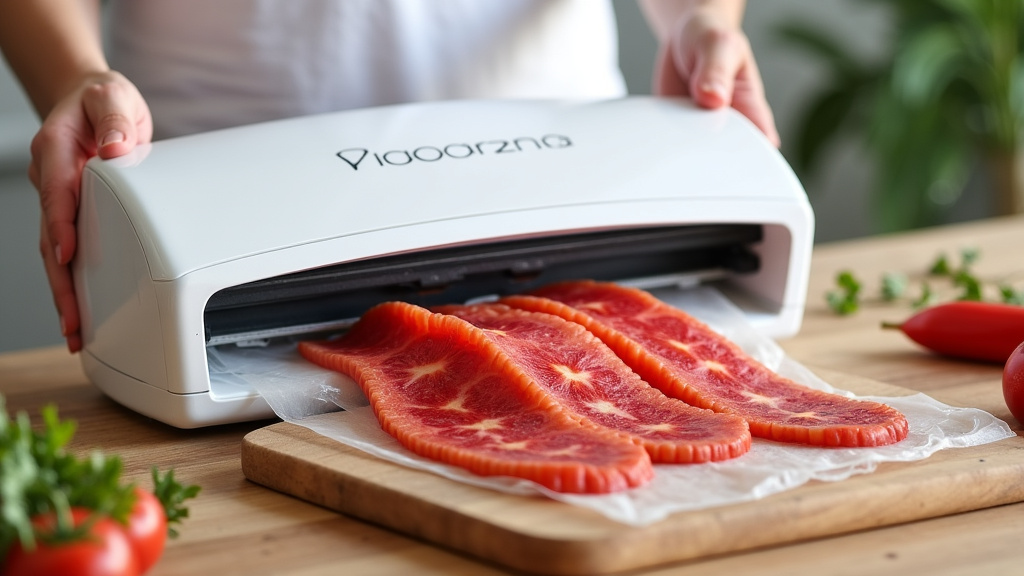
A vacuum sealer is a simple machine. It does two main things. First, it sucks the air out of a special bag. Second, it seals the bag shut. This creates an airtight environment for your food. A vacuum sealer is a simple machine that removes air and seals bags.
The Vacuum Process
When you place food in a vacuum sealer bag, you position it on the machine. You then close the lid. The machine starts a pump. This pump removes the air from the bag. You can usually see the air being pulled out. The bag will start to cling tightly to the food. This is the vacuum process in action.
Creating an Airtight Seal
Once the air is removed, the machine activates a heating element. This element melts the edges of the bag together. This creates a strong, airtight seal. This seal is crucial. It ensures that no new air can get into the bag. This keeps the oxygen levels inside very low. It’s this combination of air removal and airtight sealing that makes vacuum sealing so effective.
Types of Bags and Materials
Vacuum sealing relies on specialized bags. These bags are made of materials that prevent air from passing through. They are also designed to withstand the heat of the sealing bar. Common materials include polyethylene and nylon. These plastics are durable and create an excellent barrier. They are much better than regular plastic wrap or bags for long-term storage.
The quality of the bag matters. A good quality bag will maintain its seal. It will also prevent “freezer burn” if you freeze your food. Freezer burn happens when food is exposed to air in the freezer. It causes ice crystals to form on the surface. This damages the food’s texture and flavor.
Benefits of Vacuum Sealing for Food Preservation
The primary benefit of vacuum sealing is extended shelf life. But this leads to many other advantages for your kitchen and your wallet.
Significantly Longer Shelf Life
We found that vacuum-sealed foods can last up to five times longer than those stored with traditional methods. For example, fresh meat stored in the refrigerator might last a few days. Vacuum-sealed, it can last for weeks. Berries, which spoil very quickly, can last much longer when vacuum-sealed. This means fewer trips to the grocery store and less food thrown away.
Preventing Freezer Burn
As mentioned, freezer burn is a common problem. It ruins the texture and taste of frozen foods. Vacuum sealing is an excellent defense against it. By removing the air, it prevents the formation of ice crystals on the food’s surface. Your frozen items will come out tasting just as good as when they went in.
Maintaining Quality and Flavor
Beyond just preventing spoilage, vacuum sealing keeps food tasting its best. Oxidation can dull flavors. Air exposure can lead to undesirable smells. When you vacuum seal, you lock in the original flavor and aroma of the food. This means your meals will taste fresher and more delicious. Many chefs and home cooks prefer vacuum sealing for this reason.
Saving Money and Reducing Waste
When food spoils, it’s a waste of money. Buying food and then having to throw it away because it went bad is frustrating. Vacuum sealing helps you buy in bulk. You can store extra food without worry. You can prepare meals ahead of time. This reduces the amount of food that ends up in the trash. It’s good for your budget and the environment.
Marinating and Sous Vide Cooking
Vacuum sealing also has other kitchen applications. It’s fantastic for marinating. The vacuum process helps the marinade penetrate the food more deeply and quickly. This results in more flavorful dishes. It’s also essential for sous vide cooking. Sous vide requires food to be sealed in a bag. This ensures even cooking and perfect results.
Here’s a quick look at how long different foods can last:
| Food Type | Refrigerated (Traditional) | Refrigerated (Vacuum Sealed) | Frozen (Traditional) | Frozen (Vacuum Sealed) |
|---|---|---|---|---|
| Fresh Meat | 2-3 Days | 1-2 Weeks | 6 Months | 2-3 Years |
| Hard Cheeses | 2-3 Weeks | 6-8 Weeks | 6 Months | 1-2 Years |
| Berries | 3-5 Days | 1-2 Weeks | 6 Months | 1-2 Years |
| Cooked Pasta | 3-5 Days | 1-2 Weeks | 6 Months | 1-2 Years |
| Coffee Beans | 2 Weeks (Airtight Container) | 2-3 Weeks (At Room Temp) | N/A | N/A |
Note: These are general estimates. Actual times can vary based on the specific food item, initial quality, and storage conditions.
Key Takeaways for Your Kitchen
Understanding vacuum sealing helps you make informed choices. It’s a practical tool for any home cook.
- Vacuum sealing removes oxygen from food packaging.
- Oxygen fuels bacteria, mold, and oxidation which cause spoilage.
- Airtight sealing prevents new air from entering.
- This process dramatically extends food freshness.
- It protects food from freezer burn.
- You save money and reduce food waste.
Conclusion
You’ve seen how vacuum sealing acts as a powerful shield for your food. By removing oxygen, it stops the main causes of spoilage: bacteria, mold, and oxidation. This simple process helps your food stay fresh, flavorful, and safe to eat for much longer. You can buy in bulk, reduce waste, and enjoy better-tasting meals. Ready to start preserving your food more effectively? Consider investing in a vacuum sealer to bring these benefits to your own kitchen.
Frequently Asked Questions
Does vacuum sealing kill bacteria?
No, vacuum sealing does not kill bacteria. Instead, it removes the oxygen that many bacteria and mold need to survive and multiply. This significantly slows down their growth, preventing spoilage.
Can I vacuum seal foods that are already spoiled?
No, you should never vacuum seal food that is already spoiled. Vacuum sealing preserves food’s quality; it does not reverse spoilage. Always seal fresh or properly stored food.
Is vacuum sealing safe for all types of food?
Yes, vacuum sealing is generally safe for most types of food. However, some soft items like berries or baked goods may need to be frozen slightly before sealing to prevent them from being crushed by the vacuum pressure.
How long does food *really* stay fresh after vacuum sealing?
Research and found that vacuum-sealed foods can last significantly longer, often 3 to 5 times longer than traditional storage methods. For example, fresh meat might last a couple of weeks in the fridge when vacuum-sealed, compared to just a few days otherwise.
What’s the difference between vacuum sealing and just using an airtight container?
An airtight container reduces air exposure, but it doesn’t remove it. Vacuum sealing actively removes almost all the air, creating a much lower oxygen environment. This complete removal of oxygen is what makes vacuum sealing far more effective at preventing spoilage and oxidation.