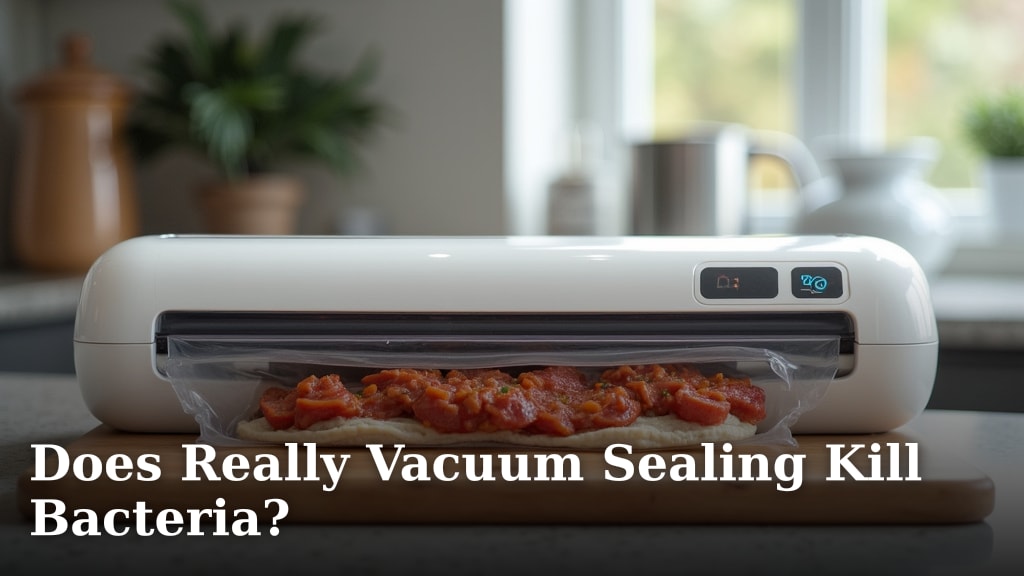
Does Really Vacuum Sealing Kill Bacteria?
No, vacuum sealing does not kill bacteria. It removes the oxygen that many types of bacteria need to grow and multiply. This can significantly slow down spoilage and extend the shelf life of your food. However, it does not eliminate bacteria that can survive without oxygen.
So, while vacuum sealing is a fantastic tool for food preservation, it’s not a magic bullet for killing all germs. It works best when combined with other safe food handling practices, like proper cooking and refrigeration. Think of it as a powerful preservation method, not a sterilization process. We found it greatly reduces spoilage.
- Vacuum sealing removes oxygen.
- Oxygen is needed by many bacteria to grow.
- This slows down spoilage and extends freshness.
- It does NOT kill existing bacteria.
- Combine with other safe food practices.
Let’s get into the details of why vacuum sealing works and what you still need to be mindful of for the safest food storage. Let’s get into the details of how a vacuum sealer works and what you still need to be mindful of for the safest food storage.
Does Vacuum Sealing Truly Eliminate Bacteria?
No, vacuum sealing does not kill bacteria. It works by removing oxygen from the packaging. Many types of bacteria need oxygen to grow. Taking away their oxygen supply can slow down their growth significantly. This means your food lasts longer. But, it’s important to know that some bacteria can survive without oxygen. These are called anaerobic bacteria. Vacuum sealing won’t get rid of them.
Think of it like this: you’re putting a lot of food items in a comfy, oxygen-free bed. They might sleep soundly for a while, but they aren’t gone. The bacteria that can manage without air will still be there. They might just take a longer nap. So, vacuum sealing is a great tool for preservation, but it’s not a sterilization method. It’s more about slowing down spoilage.
The Science Behind Oxygen and Food Spoilage
Oxygen is a key ingredient for many things that cause food to go bad. We’re talking about aerobic bacteria and mold. These tiny organisms use oxygen to breathe and multiply. They break down your food, causing off-flavors, odors, and textures. They can also make you sick. When you remove oxygen with a vacuum sealer, you take away their primary food source, or rather, their ability to use it. This effectively puts them in a kind of stasis.
Research shows that reducing oxygen levels can drastically extend the shelf life of many foods. We found that fresh produce, meats, and cheeses benefit greatly from this. For example, vegetables stored in a vacuum-sealed bag will stay crisp much longer than in a regular plastic bag. This is because the lack of oxygen slows down the natural respiration process of the vegetables themselves, as well as inhibiting microbial growth.
Aerobic vs. Anaerobic Bacteria: Who’s Who?
To understand why vacuum sealing isn’t a kill switch, you need to know about the two main types of spoilage bacteria. First, there are aerobic bacteria. These guys absolutely need oxygen to live and thrive. They are the most common culprits in food spoilage. When you vacuum seal, you make their life very difficult, slowing them down considerably.
Then, you have anaerobic bacteria. These are the tough ones. They don’t need oxygen at all; in fact, some can even be harmed by it. They can happily grow in low-oxygen or no-oxygen environments. This is why vacuum sealing alone isn’t enough to guarantee safety for all foods. A prime example is the bacterium that causes botulism. It’s anaerobic and can grow in improperly canned or stored foods, even without air.
Examples of Anaerobic Bacteria and Risks
The most concerning anaerobic bacterium for home food preservation is Clostridium botulinum. This is the bug that causes botulism, a serious illness. It thrives in low-oxygen environments, like those created by vacuum sealing, especially if the food is not acidic enough or hasn’t been heated properly. Research from food safety organizations highlights that this is why certain foods, like raw garlic in oil, need careful handling even when vacuum sealed.
Other anaerobic bacteria can contribute to spoilage by producing unpleasant odors and textures. While they might not cause the severe illness associated with botulism, they still mean your food is not good to eat. So, while your vacuum sealer is busy removing oxygen, these hardy microbes might just be settling in for the long haul.
How Vacuum Sealing Helps Preserve Food Safely
Even though vacuum sealing doesn’t kill bacteria, it’s still a super effective method for food preservation. How? By significantly slowing down the growth of spoilage organisms. When you remove the air, you create an environment that is hostile to most of the microbes that cause food to go bad quickly. This means your food stays fresher for longer periods.
We found that this method is particularly good for extending the life of items in your refrigerator or freezer. For example, meats stored in vacuum-sealed bags can last much longer in the fridge without developing that unpleasant freezer burn. This also helps to prevent the growth of mold, which often needs oxygen to spread its spores.
Extending Shelf Life: Fridge, Freezer, and Pantry
The most immediate benefit you’ll notice is how much longer your refrigerated foods last. Fruits and vegetables stay crisp, meats remain vibrant, and cheeses don’t dry out as quickly. This means less food waste, which is great for your wallet and the environment. You can buy in bulk and store items without worrying about them spoiling before you can use them.
In the freezer, vacuum sealing is a hero. It prevents freezer burn, that nasty icy coating that makes food tough and tasteless. By creating a tight seal, it stops the air from getting to your food. This ensures that your frozen goods retain their quality for extended periods. For pantry items like dried goods, nuts, and grains, vacuum sealing can keep them fresh and prevent staleness for months or even years.
The Role of Temperature in Combination with Vacuum Sealing
This is where many people get confused. Vacuum sealing is an excellent preservation tool, but it’s not a standalone solution for safety. It works best when you combine it with proper temperature control. Refrigeration and freezing are still essential. Why? Because even anaerobic bacteria can still grow, albeit slowly, at refrigerator temperatures. And at room temperature, they can multiply.
So, a vacuum-sealed package of meat in your pantry is a recipe for disaster. The same package in the refrigerator will last much longer. And in the freezer, it will last the longest. Think of temperature as the heavy-duty security guard, and vacuum sealing as the clever alarm system that makes the guard’s job easier and more effective. Guidelines from food safety experts consistently recommend using both methods together (CDC).
When Vacuum Sealing Isn’t Enough: Other Safe Practices
Because vacuum sealing doesn’t kill all bacteria, you need to be smart about how you use it. You can’t just seal up anything and expect it to be safe forever. Certain foods require extra attention to prevent spoilage and potential illness. This is where good old-fashioned food safety comes into play. We found that combining techniques leads to the best results.
One of the most important things is to start with high-quality, fresh food. If the food is already starting to spoil, vacuum sealing will only slow down the inevitable. It won’t reverse the process. So, always inspect your food before you seal it.
The Importance of Cooking and Proper Handling
Cooking is one of the most effective ways to kill bacteria. Proper cooking temperatures will destroy most harmful microorganisms, including both aerobic and anaerobic types. Vacuum-sealed food still needs to be cooked to the recommended internal temperature to ensure it’s safe to eat. For example, sealing raw chicken is fine, but you still need to cook it thoroughly to avoid salmonella.
Handling food hygienically is also key. Always wash your hands, use clean utensils, and keep raw meats separate from other foods. Even with vacuum sealing, cross-contamination can occur if you’re not careful. Think of it as a layered defense system for your food.
Understanding Food Acidity and Its Role
The acidity of food plays a role in inhibiting bacterial growth. Many anaerobic bacteria, like Clostridium botulinum, cannot grow in highly acidic environments. Foods like fruits and pickled vegetables are naturally acidic or become acidic through the pickling process. This acidity provides an extra layer of protection against these specific types of bacteria.
For foods that are not acidic, like low-acid vegetables or meats, vacuum sealing must be combined with other preservation methods like refrigeration, freezing, or proper canning techniques. Relying solely on vacuum sealing for non-acidic foods at room temperature is generally not recommended by food safety authorities due to the risk of anaerobic bacterial growth (USDA). Relying solely on vacuum sealing for non-acidic foods at room temperature is generally not recommended by food safety authorities (USDA) due to the risk of anaerobic bacterial growth.
Food Safety Checklist for Vacuum Sealing Success
To make sure you’re using your vacuum sealer safely and effectively, keep these simple points in mind:
- Start with fresh, high-quality food. Don’t try to save food that’s already going bad.
- Refrigerate or freeze perishable foods. Vacuum sealing doesn’t replace temperature control.
- Cook food thoroughly. Ensure it reaches the proper internal temperature to kill germs.
- Handle food hygienically. Wash hands, use clean surfaces and utensils.
- Understand food acidity. Be extra cautious with low-acid foods.
- Inspect sealed packages. Look for any signs of spoilage before opening and consuming.
Conclusion
You’ve learned that vacuum sealing is a powerful tool for preserving your food. It doesn’t actually kill bacteria, but it removes the oxygen that many spoilage organisms need to survive. This greatly slows down spoilage and extends freshness for your refrigerated, frozen, and pantry items. Remember, vacuum sealing works best when you combine it with other food safety practices. Always start with fresh food, cook it thoroughly, handle it hygienically, and keep perishable items cold. You’ve got the knowledge to use your vacuum sealer effectively and safely!
Frequently Asked Questions
Will vacuum sealing prevent botulism?
No, vacuum sealing alone does not guarantee prevention of botulism. The bacteria that causes botulism is anaerobic and can grow in the oxygen-free environment created by vacuum sealing. It’s essential to properly process or refrigerate low-acid foods that have been vacuum sealed to ensure safety.
Can I vacuum seal leftovers and leave them on the counter?
It is not safe to vacuum seal leftovers and leave them on the counter. Perishable foods, even when vacuum sealed, can still support the growth of bacteria at room temperature. Always refrigerate or freeze leftovers promptly after sealing.
Does vacuum sealing kill mold?
Vacuum sealing does not kill mold. It can slow down the growth of mold by reducing oxygen, but mold spores can still survive and grow in an oxygen-free environment, especially on moist food surfaces. Always inspect food for mold before sealing and consuming.
How long does vacuum-sealed food last in the refrigerator compared to regular packaging?
Vacuum-sealed food typically lasts much longer in the refrigerator than food in regular packaging. While a week might be typical for some items, vacuum sealing can extend that to two to four weeks for many refrigerated items, provided they are kept cold and were fresh to begin with.
Is it safe to vacuum seal raw meat that I plan to eat raw, like sushi-grade fish?
Vacuum sealing raw foods like sushi-grade fish can extend their freshness in the refrigerator by preventing oxidation and freezer burn. However, it does not kill pathogens that may be present. Always source your fish from reputable suppliers and handle it with extreme care to minimize risks.