Benefits of Vacuum Sealing Food: Explained
On this page (7 sections)
Key Advantages of Vacuum Sealing Food
Vacuum sealing removes air from packaging, which helps preserve food quality and extend shelf life. A guide to vacuum sealing pros and cons offers more detail. Many households find it a practical way to save money and reduce waste. If you are comparing preservation methods, see our guide to vacuum sealing and canning. It’s a simple method that can make a real difference in your kitchen.
Keeping Your Food Fresh for Longer
The biggest benefit of vacuum sealing is how it slows down spoilage. When air is removed, it limits the growth of bacteria and mold that cause food to go bad. This means your groceries can last days or even weeks longer than usual.
How Vacuum Sealing Works to Preserve Food
Air contains oxygen, which speeds up decay in food. By sucking out the air, vacuum sealing creates an environment where spoilage organisms can’t thrive. It’s like hitting the pause button on your food’s aging process.
This method is especially useful for foods that oxidize quickly, like apples or avocados. Once sealed, the color and texture stay fresh-looking for much longer.
What Research Says About Shelf Life Extension
Studies from the U.S. Department of Agriculture (USDA) indicate that vacuum-sealed foods can last two to three times longer in the refrigerator compared to traditional packaging. For frozen foods, the difference is even more noticeable.
For example, vacuum-sealed beef can stay freezer-quality for up to two to three years, versus one year for regular wrapping. These numbers come from food safety guidelines that many experts rely on.
Cutting Down on Food Waste and Saving Money
When food lasts longer, you throw out less. That directly translates to more money staying in your wallet. Vacuum sealing helps you make the most of every purchase.
Benefits for Your Household Budget
Think about buying in bulk when there’s a sale. Without proper storage, much of it might spoil before you can use it all. Vacuum sealing lets you stock up without worry, lowering your overall grocery costs.
It also reduces impulse buys because you can plan meals with what you already have stored. Many families report saving hundreds of dollars a year just by wasting less food.
Preserving Leftovers and Meal Prep
Leftovers often get forgotten in the back of the fridge until they go bad. With vacuum sealing, you can portion them out and freeze them for another day. This makes meal prep easier and ensures nothing goes to waste.
It’s perfect for batch cooking. Spend a few hours on the weekend preparing meals, seal them, and you’ve got ready-to-eat options for busy weeknights.
Protecting Food from Freezer Burn
Freezer burn is the dry, discolored patches that appear on frozen food. It happens when air reaches the surface, pulling moisture out. Vacuum sealing prevents this by keeping air away.
The Science Behind Freezer Damage
When food is exposed to cold, dry air in the freezer, ice crystals form on its surface. This leads to dehydration and oxidation, which ruins taste and texture. The National Institutes of Health (NIH) notes that this process is a common issue in improper food storage. A guide to food oxidation offers more detail.
Vacuum sealing eliminates the air gap, so ice crystals can’t form as easily. Your food stays moist and flavorful, even after months in the freezer.
Steps to Avoid Freezer Burn with Vacuum Sealing
First, ensure the food is dry before sealing. Moisture can interfere with the seal. Next, use high-quality bags designed for freezer use. Finally, remove as much air as possible during the sealing process.
Following these simple steps keeps your frozen goods in great condition. You’ll notice a big difference when you cook them later.
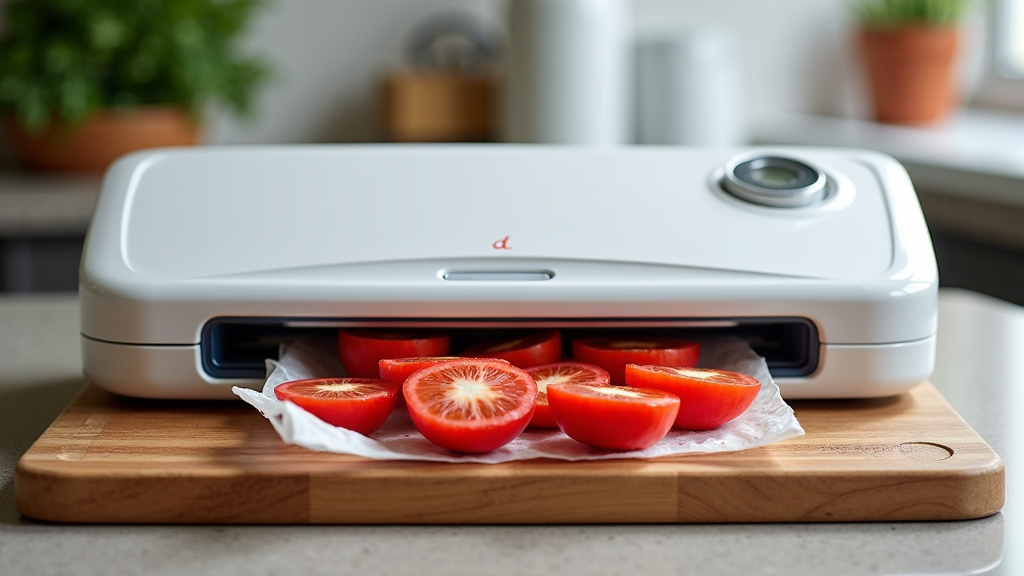
Simplifying Meal Prep and Organization
Vacuum sealing isn’t just about preservation; it also makes your kitchen run smoother. Organized storage saves time and reduces stress during meal times.
Streamlining Your Kitchen Routine
With vacuum-sealed bags, you can see exactly what you have stored. Labeling with dates and contents helps you grab what you need quickly. No more digging through piles of mismatched containers.
Conclusion
Vacuum sealing offers a straightforward way to extend your food’s freshness, reduce household waste, and save money over time. By removing air, it slows spoilage, prevents freezer burn, and simplifies your kitchen organization. This method helps you make the most of groceries, leftovers, and bulk purchases. If you’re looking for a practical step to improve your food storage, start by vacuum sealing a small batch of your favorite meat or vegetable. You’ll notice the difference in quality and longevity for yourself.
Frequently Asked Questions
What types of food can you vacuum seal?
You can seal most dry, solid foods like meats, hard cheeses, and crisp vegetables. Avoid sealing very soft, juicy, or crumbly items without proper techniques. Research indicates that vacuum sealing works best for foods that are prone to oxidation or spoilage.
Do I need special bags or rolls for vacuum sealing?
Yes, you must use bags designed for vacuum sealers. Regular plastic bags won’t create the necessary airtight seal. These specialized bags have a textured channel that allows the machine to remove all the air effectively.
How does vacuum sealing affect the taste of food?
It generally helps maintain original taste by preventing freezer burn and oxidation. Your food stays moist and flavorful for much longer compared to standard storage methods. Many people find that vacuum-sealed items taste fresher even after months.
Can I use a vacuum sealer for meal prepping?
Absolutely, it is ideal for batch cooking and portioning meals ahead of time. You can seal individual servings to grab and go on busy days. This practice keeps ingredients fresh and ready to use, streamlining your weekly routine.
Is vacuum sealing a safe way to store food?
When done correctly, yes, it is considered a safe preservation method by food safety authorities. Ensure you follow proper guidelines for sealing and storing, especially with perishable items. It’s a reliable technique backed by established food storage principles.