Do Chamber Vacuum Sealers Need Special Bags?
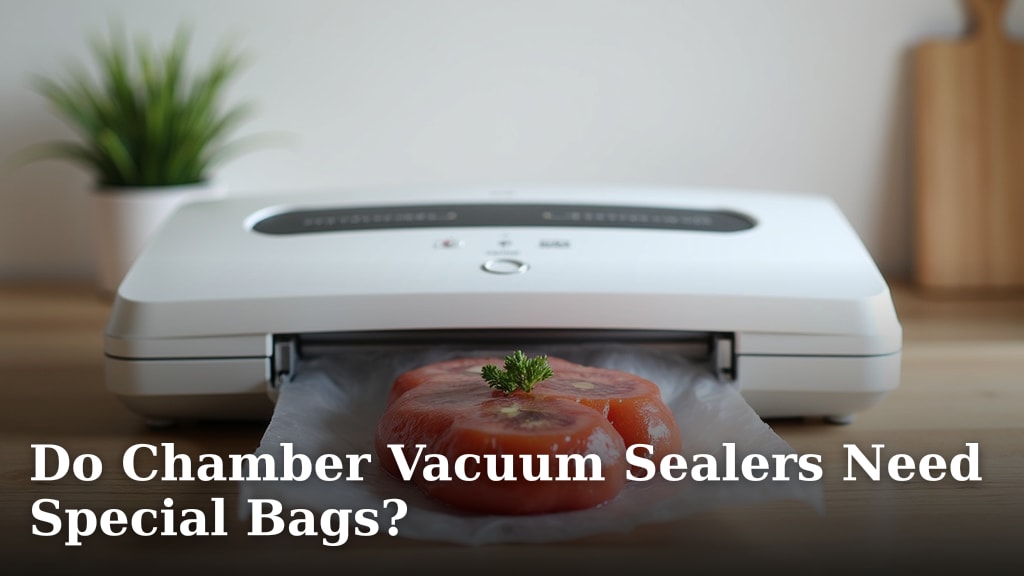
Yes, chamber vacuum sealers generally do not require special bags. Unlike external vacuum sealers, chamber models create a vacuum around the entire chamber, not just the bag. This means you can use affordable, standard-grade bags, making them a cost-effective choice for home use. You’ll save money on bags over time.
This convenience is a big reason why people choose chamber vacuum sealers. You can even use containers and jars for certain items. The key is an airtight seal, which the chamber design helps achieve with regular materials. It’s a smart way to keep your food fresh.
- Chamber vacuum sealers work with most standard food-grade bags.
- You don’t need expensive, textured bags.
- This saves you money compared to external sealers.
- You can also use containers and jars.
Let’s look closer at why this is the case and what types of bags work best for your chamber vacuum sealer.
Understanding Your Chamber Vacuum Sealer Bags
You’ve got a fantastic chamber vacuum sealer. Now, you might be wondering about the bags. Do you need those fancy, crinkly ones you see advertised? The good news is, for most chamber vacuum sealers, the answer is a resounding no. You don’t typically need special, textured bags. This is a big difference from external vacuum sealers. Your chamber machine works a bit differently. It creates a vacuum around the entire chamber. This means the air is pulled out from all around, not just through a straw-like suction. Because of this, regular, smooth bags work just fine.
How Chamber Sealers Differ from External Sealers
Let’s break down the core difference. External vacuum sealers have a nozzle. This nozzle sucks air directly out of the bag. They often need bags with a textured side. This texture creates tiny channels. These channels allow air to escape. Without them, the nozzle can’t pull out enough air. Chamber vacuum sealers don’t use a nozzle in the same way. They have a lid that seals the entire chamber. A vacuum pump then removes air from this sealed chamber. The bag simply sits inside and gets collapsed by the outside air pressure. This is why smooth bags are perfectly suitable. Our guide explains how a chamber vacuum sealer works to help you understand why.
The Benefits of Using Standard Bags
This distinction means you save money. Standard, smooth bags are generally much cheaper than specialized textured bags. Think about how often you might use your vacuum sealer. Over time, those savings add up. You can buy them in larger quantities for less. This makes your chamber sealer a more budget-friendly option in the long run. Many people find this cost-effectiveness a major draw.
You also have more options. Because smooth bags work, you aren’t limited to one or two brands. You can find generic brands or store brands. These often cost even less. You can also buy them in various sizes more easily. This flexibility is a real plus for everyday use.
What Types of Bags Work Best?
So, if you don’t need special bags, what should you look for? The main thing is that the bag is food-grade. This ensures it’s safe for contact with your food. It means the material won’t leach chemicals into your meals. Most standard vacuum sealer bags meet this requirement. Also, ensure the bags are airtight. This is the primary job of any vacuum bag. A good seal keeps out oxygen and moisture. This prevents spoilage and freezer burn.
Material Matters: What to Look For
Most bags designed for vacuum sealing are made from polyethylene or a similar food-safe plastic. These materials are durable and create a good seal. They are also generally BPA-free. You’ll want to check the product description for the bag. It should mention it’s suitable for vacuum sealing. Some bags might be thicker than others. A thicker bag can offer better protection against punctures. This is especially important for sharp items like bones or hard shells.
Gauge and Thickness
Bags come in different thicknesses, often measured in mils. A thicker bag (e.g., 3-4 mil) offers more durability. This can prevent tears and leaks. It’s useful for long-term storage or for items with sharp edges. Thinner bags (e.g., 2-3 mil) might be sufficient for shorter storage periods or softer items. They are also usually less expensive.
Can You Use Other Containers?
Absolutely! This is another fantastic advantage of chamber vacuum sealers. Because the whole chamber is evacuated, you can seal items in containers or jars. You’ll need a special accessory for this, usually a jar sealer attachment. This attachment connects to your chamber sealer’s vacuum port. It allows you to pull a vacuum directly from a mason jar or certain types of containers. This is perfect for liquids, sauces, or even dry goods you want to keep fresh in their original packaging.
Airtight Containers and Jars
When using containers or jars, ensure they have a good seal themselves. For mason jars, this means a clean rim and a properly fitting lid. The vacuum sealer will pull the air out of the jar, creating a tight seal. This extends the shelf life of whatever you put inside. It’s a great way to prevent oxidation for things like coffee beans or nuts.
When Might You Need a “Special” Bag?
While standard bags are usually fine, there are a few niche situations. Some chamber sealers have extra-high vacuum power. In these rare cases, a standard bag might collapse too easily. If you notice your bags are getting crushed and not sealing properly, a slightly thicker bag might help. Some manufacturers might also offer specific bags for extreme temperatures, like for sous vide cooking at very high heats. However, for typical food storage, this is rarely necessary.
Sous Vide Cooking Considerations
If you’re using your chamber sealer primarily for sous vide, you might want bags rated for high temperatures. Standard food-grade bags are generally safe for sous vide. However, some manufacturers specify temperature limits. We found many standard food-grade vacuum sealer bags are rated for temperatures up to around 165°F (74°C) for extended periods (National Center for Home Food Preservation). If you plan on cooking at much higher temperatures for long durations, check the bag’s specifications. You might want a bag specifically designed for high-heat sous vide.
Freezing and Freezer Burn Prevention
Chamber vacuum sealers are excellent for preventing freezer burn. The complete vacuum pulls out almost all the air. This leaves very little oxygen to damage your food. When selecting bags for long-term freezer storage, durability is key. A thicker, heavy-duty bag will offer better protection. It can prevent punctures from sharp edges. It also adds an extra layer against moisture loss. This ensures your food stays fresh and tastes great for much longer.
Tips for Getting the Best Seal
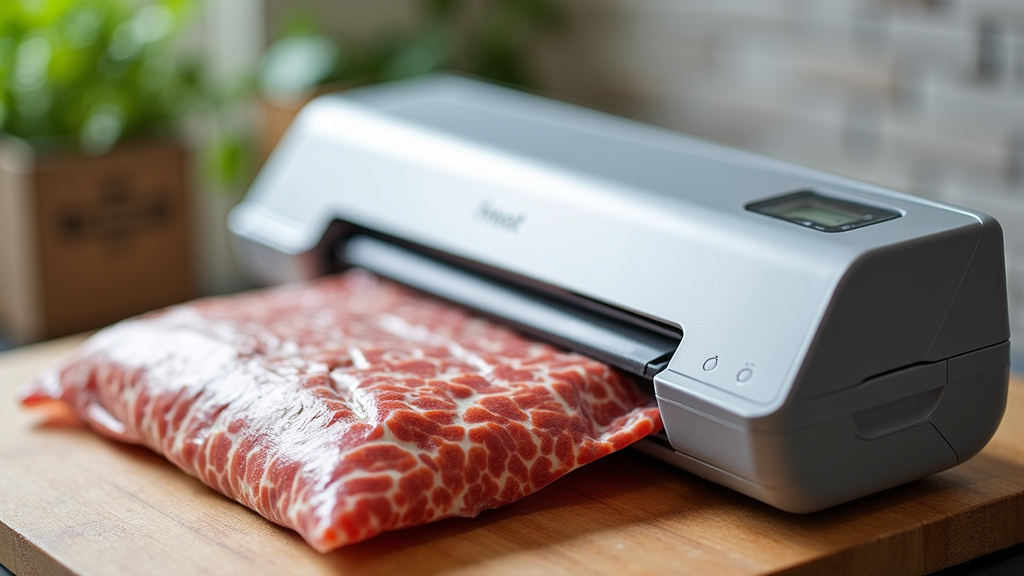
Regardless of the bag type, a good seal depends on a few factors. First, make sure the sealing strip on your machine is clean. Any food debris can interfere with the seal. Second, ensure the bag opening is clean and dry. Moisture or food particles on the rim can prevent a proper seal. Third, position the bag correctly in the chamber. Most machines have markings to show you where to place the bag’s opening.
Maintaining Your Chamber Sealer
Proper maintenance ensures your sealer works efficiently. Keep the sealing gasket clean. Wipe it down regularly. Check the chamber for any debris. Periodically inspect the vacuum pump. If you notice a loss of suction, your pump may need attention. A well-maintained machine will give you better seals every time.
Here’s a quick checklist for bagging success:
- Use food-grade bags.
- Ensure bags are airtight.
- Check bag thickness for durability.
- Keep your sealer clean.
- Make sure bag edges are clean and dry.
- Consider jar attachments for liquids.
Comparing Bag Costs: Chamber vs. External
The cost difference between bags for chamber and external sealers is notable. External sealers often require bags with a textured surface. These textured bags are engineered to allow air to escape through the embossed channels. Because of this specialized design and often proprietary manufacturing, they tend to be more expensive. A roll of 100 textured bags can cost significantly more than a similar quantity of smooth bags.
| Sealer Type | Bag Type | Estimated Cost Range | Notes |
|---|---|---|---|
| Chamber Vacuum Sealer | Standard Smooth Bags | $15 – $30 | Widely available, often generic options. |
| External Vacuum Sealer | Textured Bags | $25 – $50+ | Specialized texture required for suction. |
As you can see, the savings can be substantial over time. For instance, if you buy 10 rolls of bags per year, you could save anywhere from $100 to $350 or more annually just by using smooth bags with your chamber sealer. This financial advantage is a strong reason many home cooks prefer this type of machine.
Conclusion
You’ve learned that chamber vacuum sealers are wonderfully flexible. They generally don’t require expensive, special bags. Standard, food-grade smooth bags work perfectly because the chamber design handles the vacuum differently. This means you can keep your food fresh for less money over time. You can also explore using containers with the right attachments. For everyday use and smart food storage, your chamber sealer offers fantastic savings and convenience. Now, go ahead and stock up on your favorite affordable bags to keep your kitchen running smoothly!
Frequently Asked Questions
Can I really use any smooth plastic bag in my chamber vacuum sealer?
For most chamber vacuum sealers, yes. You can use standard, smooth, food-grade plastic bags. The key is that they are durable enough to withstand the vacuum process. Just ensure they are clean and safe for food contact.
Are there any downsides to using smooth bags versus textured ones?
For chamber vacuum sealers, there are generally no downsides to using smooth bags. They work effectively because the machine evacuates the entire chamber. Textured bags are typically needed for external sealers to help air escape.
How do I know if a bag is food-grade?
Look for labels on the packaging that state “food-grade” or “BPA-free.” Most bags designed for vacuum sealing will clearly indicate this. If unsure, check the manufacturer’s website or product description.
What if I want to vacuum seal liquids? Do I need special bags for that?
You can vacuum seal liquids, but it’s often easier and more effective to use a jar sealer attachment with mason jars or specific containers. This prevents liquid from being sucked into your machine and ensures a better seal.
Can I reuse vacuum sealer bags with my chamber machine?
While some smooth bags can be washed and reused for dry, non-food items, it’s generally not recommended for food. Reusing bags, especially after storing raw meats or strong-smelling foods, can lead to cross-contamination or poor seals.