What Exactly Is a Quart Size Vacuum Bag?
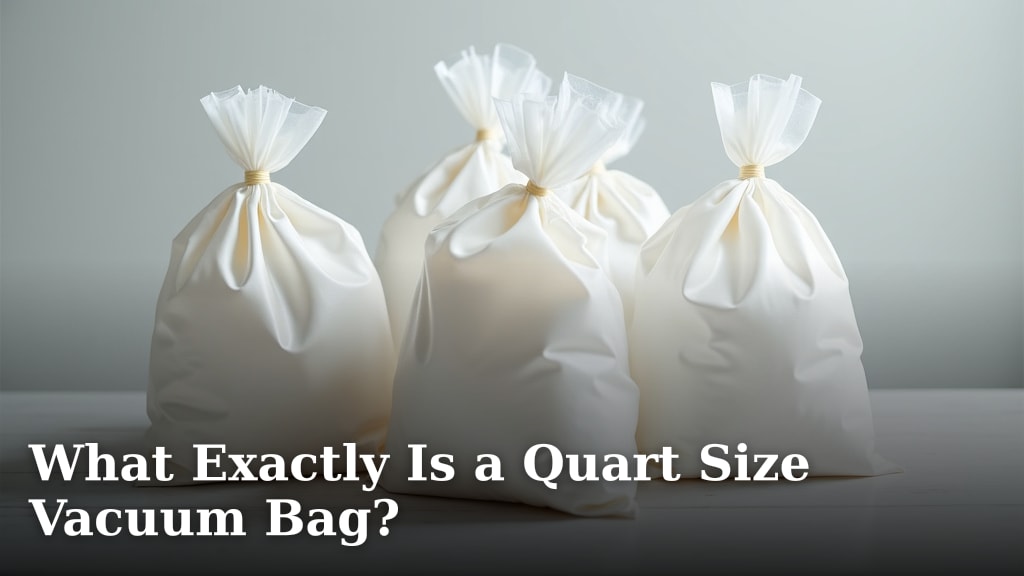
A quart size vacuum bag is a specific type of storage bag designed for use with a vacuum sealer. It’s called “quart size” because it’s roughly the same volume as a liquid quart, making it ideal for sealing smaller portions of food. Think of it as a perfectly sized container for freezing a single meal or preserving a few cups of leftovers.
These bags help you reduce food waste and save money. By removing air, they prevent freezer burn and keep your food fresh up to five times longer than traditional methods. Many people use them for everything from sealing a half-eaten bag of chips to storing small cuts of meat. It’s a handy tool for any kitchen looking to maximize freshness.
- Quart size vacuum bags are for vacuum sealers.
- They hold about one liquid quart volume.
- They are great for small portions and leftovers.
- Using them helps prevent freezer burn.
- Your food stays fresh much longer.
Ready to learn more about these handy bags? Let’s dive into what makes them so useful and how you can get the most out of them.
“`htmlUnderstanding Quart-Sized Vacuum Sealer Bags
So, what exactly is a quart size vacuum bag? It’s a specialized storage bag designed for use with a vacuum sealing machine. The name “quart size” comes from its volume. It holds roughly the same amount of space as a standard liquid quart. This makes it perfect for sealing smaller portions of food. Think of it as a pre-portioned container for your kitchen.
What Does “Quart Size” Really Mean for Storage?
When we talk about a quart, we’re referring to a unit of volume. In the U.S., a liquid quart is about 32 fluid ounces, or roughly 0.946 liters. A quart size vacuum bag is shaped to hold a similar amount. Its dimensions are usually around 6 inches by 10 inches or 8 inches by 10 inches. These sizes are convenient for many common kitchen needs. You can fit a good amount of food without too much excess bag space.
The beauty of this size is its versatility. It’s not too big and not too small. It’s just right for freezing a single serving of chili. Or perhaps you want to store a couple of chicken breasts. Maybe you have leftover herbs or spices you want to keep fresh. A quart bag is often the ideal solution for these situations. It minimizes wasted bag material too.
Why Choose Quart Size Bags Over Other Options?
You might be wondering why you’d pick a quart bag instead of a gallon or a pint size. The main reason is portion control. If you’re single, or cooking for one, a gallon bag is usually too large. It would leave a lot of empty space in the bag. That extra air is the enemy of freshness. For smaller families or couples, gallon bags might also be overkill for many items.
On the flip side, pint-sized bags can sometimes be too small. They might only fit a single chicken breast or a small handful of berries. Trying to cram more into a pint bag can lead to a poor seal. It might also crush delicate foods. Quart bags offer that sweet spot in the middle. They are perfect for what we call “meal prep” portions. You can freeze a single meal for later.
Portioning for Individuals and Couples
For individuals, a quart bag is like having a personal freezer assistant. You can portion out your weekly meals in advance. This saves you time during busy weekdays. You just grab a pre-portioned bag from the freezer. It’s also great for leftovers. Instead of a large container, a quart bag takes up less freezer space. It’s more efficient for storing single servings.
Couples often find quart bags useful too. You might cook a large batch of something, like soup or stew. Instead of storing it all in one big container, you can divide it into quart bags. This allows you to thaw only what you need for a specific meal. It prevents you from reheating food multiple times. This helps maintain quality and safety (U.S. Food and Drug Administration).
Handling Smaller Food Items and Ingredients
Beyond full meals, quart bags are fantastic for smaller food items. Think about those half-used bags of chips or pretzels. Sealing them with a vacuum sealer prevents staleness. You can also store small amounts of ingredients. If you buy a large block of cheese, you can cut off a portion for immediate use and vacuum seal the rest. This keeps it from drying out or molding.
Herbs and spices are another great candidate. Fresh herbs lose their flavor quickly. Vacuum sealing a bunch of parsley or basil in a quart bag can extend their life significantly. Even small cuts of meat, like individual fish fillets or pork chops, fit perfectly. This is much better than stuffing them into freezer bags and hoping for the best.
The Science of Preservation: How Vacuum Sealing Works
The core benefit of using quart size vacuum bags lies in the process of vacuum sealing itself. It’s not just about closing a bag; it’s about removing the air. This simple step has a huge impact on food preservation.
Removing Air to Combat Freezer Burn
Freezer burn happens when food is exposed to cold, dry air in the freezer. Ice crystals form on the surface of the food. This draws moisture out, leaving dry, leathery patches. It also affects the texture and flavor. Vacuum sealing removes almost all the air from the bag. This eliminates the primary cause of freezer burn. Your food stays moist and delicious.
We found that the oxygen in the air is the main culprit. Removing it doesn’t just prevent freezer burn. It also slows down oxidation. This is the process that causes food to age and lose its quality. By minimizing oxygen exposure, you are effectively putting the brakes on spoilage.
Extending Food Freshness and Shelf Life
Studies show that vacuum-sealed food can last much longer than food stored in regular bags or containers. Some sources suggest up to five times longer in the freezer. This applies to the refrigerator and pantry too. For instance, hard cheeses vacuum sealed can last for weeks in the fridge. Dry goods like flour or sugar can last years in a cool, dark place.
Think about the money you save. You buy food when it’s on sale. You can store it without worrying about it going bad quickly. This means less food waste. The Environmental Protection Agency (EPA) estimates that about 30-40% of the food supply in the U.S. is wasted. Reducing waste at home is a smart financial move.
Preventing Odor and Flavor Transfer
Another practical benefit of a good vacuum seal is odor control. In a freezer, strong smells can easily transfer between different foods. That carton of ice cream might start smelling like onions from the leftover casserole. Vacuum sealing creates a barrier against odors. Each food item stays contained within its own sealed environment.
This also applies to flavor. You don’t want your berries tasting faintly of fish. The airtight seal prevents these flavor interactions. It keeps each food tasting exactly as it should. This is especially important for delicate items or those with strong aromas.
Materials and Quality: What to Look For
Not all vacuum bags are created equal. The material they are made from matters. It affects durability, safety, and performance. For quart size bags, you’ll typically see a few common types.
BPA-Free Materials for Food Safety
It’s essential that your vacuum bags are food-safe. Look for bags that are explicitly labeled as BPA-free. Bisphenol A (BPA) is an industrial chemical. Some research has raised concerns about its potential health effects. Using BPA-free bags ensures you are not introducing unwanted chemicals to your food. Many regulatory bodies, like the FDA, oversee food contact materials to ensure safety (U.S. Food and Drug Administration).
Most reputable brands today use materials like polyethylene. This is a common plastic that is generally considered safe for food storage. The thickness of the plastic also plays a role. Thicker bags are generally more durable. They are less likely to tear or get punctured.
Types of Quart Size Vacuum Bags
You’ll mostly encounter two main types of quart size bags for home use:
- Pre-cut bags: These come in a set size, like the quart size we’re discussing. They are ready to use right out of the box. You just fill them, place the open end in your vacuum sealer, and let the machine do its work.
- Bags on a roll: These are large rolls of vacuum sealing material. You cut off the length you need and then seal one end yourself. This creates a custom-sized bag. You can easily make quart-sized bags from a roll. You can also make them longer or shorter as needed.
For quart-sized needs, pre-cut bags are very convenient. If you find yourself frequently needing slightly different sizes, a roll might offer more flexibility. We found that people often buy both to cover all their bases.
Understanding Embossing and Smooth Surfaces
Some vacuum bags have a textured or embossed side. This side has a pattern of small dots or channels. The other side is usually smooth. The embossed side is designed to help your vacuum sealer remove air more effectively. The channels allow air to escape easily. Smooth bags, on the other hand, are often used for delicate items. They can also be more transparent, letting you see the contents clearly.
If you have a specific type of vacuum sealer, it might work best with one type of bag over the other. Most modern sealers are designed to handle both textured and smooth bags. Check your vacuum sealer’s manual if you’re unsure.
Practical Uses for Your Quart Size Bags
Let’s get practical. Where can you actually use these handy quart bags in your daily life?
Meal Prepping and Portioning
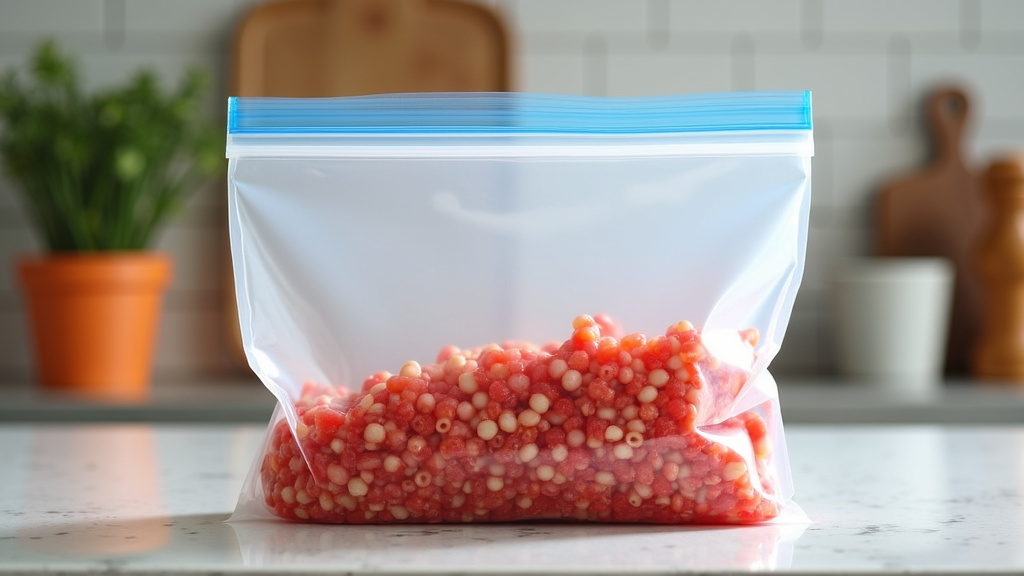
This is a big one. If you plan your meals for the week, quart bags are your best friend. Cook a large batch of chicken breasts, ground beef, or grains. Portion them into quart bags. You can freeze them individually. This makes grabbing a protein for lunch or dinner super easy. It ensures you always have healthy options ready.
Soups, stews, and sauces also benefit. Portion them into quart bags and lay them flat in the freezer. Once frozen, you can stack them like books. This saves a ton of space. It’s much more efficient than bulky containers. Remember to cool the food completely before sealing.
Preserving Fresh Produce and Herbs
Got an abundance of garden tomatoes or berries? Wash them, pat them dry, and freeze them in quart bags. You can freeze them whole or chopped. They are perfect for smoothies, sauces, or baking later. Blanching vegetables before freezing is often recommended to preserve quality (University of Minnesota Extension).
Fresh herbs can lose their potency quickly. Chop them and mix with a little olive oil. Then portion the mixture into quart bags. Freeze them flat. You’ll have perfectly flavored herbs ready for cooking. This works well for basil, cilantro, or parsley.
Storing Small Amounts of Meats and Cheeses
Bought a large pack of salmon fillets but only need one? Don’t freeze the whole package. Separate them into quart bags. Vacuum seal each one. Now you can take out just what you need for a meal. This applies to steak, pork chops, and other meats too.
Hard cheeses like cheddar or parmesan can last much longer when vacuum sealed. They won’t dry out or develop that waxy texture. A quart bag is a great size for a portion of cheese you plan to use over a few weeks.
Keeping Pantry Staples Fresh
Did you know vacuum sealing can help in the pantry too? Items like flour, sugar, oats, nuts, and dried beans can be stored in quart bags. This protects them from moisture, air, and pantry pests. It significantly extends their shelf life. This is especially useful in humid climates.
You can also use them for things like coffee beans or tea. Keeping them airtight preserves their aroma and flavor. Even a half-eaten bag of cereal can be resealed to maintain crispness.
Non-Food Uses: Organization and Protection
While designed for food, these bags have other uses. They are great for organizing small items. Think craft supplies, hardware, or travel toiletries. They keep things contained and easy to find. They can also protect items from moisture when traveling.
For example, you could put your phone and charger in a quart bag before heading to the beach. It offers a layer of protection against sand and water splashes. They are also useful for storing important documents that you want to keep dry and protected.
Quick Checklist for Quart Bag Success
Ready to make the most of your quart size vacuum bags? Keep these tips in mind:
- Always ensure your bags are BPA-free and food-grade.
- Cool food completely before sealing to prevent spoilage inside the bag.
- Leave enough space at the top of the bag for the sealer to create a good lock.
- Store bags flat in the freezer to save space and prevent freezer burn.
- Label your bags with the contents and date for easy identification.
- Inspect bags for any tears or holes before sealing to ensure an airtight seal.
Conclusion
You’ve learned that a quart size vacuum bag is your go-to for preserving smaller portions of food. It’s more than just a bag; it’s a tool that fights freezer burn, slashes food waste, and keeps your meals fresh for longer. From single servings to bulk ingredients, these bags offer efficient storage without the bulk. By understanding their use, you can confidently make them a regular part of your kitchen routine. Now, start sealing those smaller portions and enjoy fresher food with less waste!
Frequently Asked Questions
Can I reuse quart size vacuum bags?
Generally, it’s best not to reuse vacuum bags, especially if they were used for raw meat or other perishable items. Once a bag has been opened and used, it can harbor bacteria. For non-food items or dry goods that are thoroughly cleaned, reuse might be possible, but for food safety, new bags are always recommended.
How much food can fit in a quart size vacuum bag?
A quart size bag is designed to hold roughly the volume of one liquid quart, which is about 32 fluid ounces. This typically means you can fit a single meal portion, a couple of chicken breasts, a pound of ground meat, or a few cups of leftovers. The exact amount depends on the shape and density of the food.
Do I need a special vacuum sealer for quart size bags?
No, quart size vacuum bags are designed for standard home vacuum sealing machines. Most machines work with both pre-cut bags and bags made from rolls. Just ensure the open end of the bag is placed correctly in the sealer’s channel for an effective air removal and seal.
Are quart bags good for freezing liquids like soup?
Yes, quart size vacuum bags work well for liquids, but you should freeze them first. Pour your soup, stew, or sauce into the bag, seal it partially, and lay it flat in the freezer until the liquid is solid. Then, you can remove it, seal the bag completely, and stack them to save space.
What’s the difference between quart size and pint size vacuum bags?
The main difference is volume. Pint size bags are smaller, holding about half the volume of a quart bag, making them ideal for very small portions like a single serving of herbs or a small amount of cheese. Quart size bags offer more space for larger single servings or multiple smaller items.