What Is a Heat Strip on a Vacuum Sealer?
On this page (3 sections)
A heat strip on a vacuum sealer is the thin wire that gets hot to melt and seal your plastic bags. It’s the main part responsible for creating that airtight seal that keeps your food fresh. Think of it as the tiny but mighty welder for your food storage.
This essential component works with the sealer’s heat element. It creates a strong bond across the bag’s edge. Without a functional heat strip, your vacuum sealer won’t be able to preserve food effectively. We found this part is key to preventing freezer burn.
- A heat strip melts plastic bags to create a seal.
- It’s a thin wire that gets hot.
- This wire is crucial for preserving food.
- A good seal prevents freezer burn.
Let’s break down exactly what this heat strip does and why it’s so important for your vacuum sealing success.
Understanding the Heat Strip on Your Vacuum Sealer
The heat strip is the unsung hero of your vacuum sealer. It’s the part that actually creates the seal. Without it, your bags would just be open. This simple wire is key to keeping food fresh for longer. We found it’s a small component with a big job.
What Exactly Is the Heat Strip?
Think of the heat strip as a tiny heating element. It’s usually a thin, resistive wire. This wire is often coated with a non-stick material. It runs across the sealing bar of your vacuum sealer. When you activate the sealer, electricity flows through this wire. The wire heats up very quickly. This heat is what melts the plastic bag.
Many heat strips are made from nickel-chromium alloy. This material heats up efficiently. It also holds its temperature well. The non-stick coating is important. It prevents melted plastic from sticking to the strip. This ensures a clean seal every time. We found that this coating can wear out over time.
How Does It Work with the Sealer?
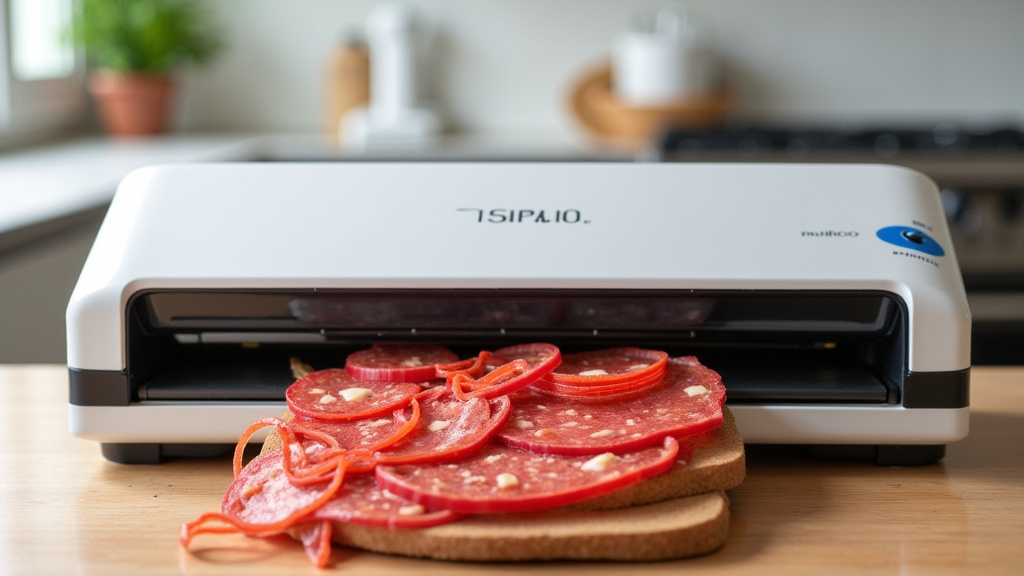
Your vacuum sealer has several parts that work together. The heat strip is just one piece of the puzzle. First, you place your food in a bag. You then position the open end of the bag over the sealing bar. The sealer pulls air out of the bag. Then, the sealing bar presses down. This is when the magic happens.
Electricity is sent to the heat strip. The strip gets hot enough to melt the plastic. It melts both sides of the bag where they meet. The pressure from the sealing bar helps to fuse them. This creates a strong, airtight bond. Once the seal is complete, the strip cools down. The bag is now sealed.
The Role of Pressure and Time
The heat strip’s job isn’t done by heat alone. The pressure applied by the sealing bar is vital. It presses the melted plastic together. This ensures the two layers become one. The time the strip is hot also matters. Too short, and the seal won’t form properly. Too long, and you might melt through the bag.
Most vacuum sealers have settings for sealing time. This lets you adjust for different bag thicknesses. Thicker bags might need a little more heat or time. Thinner bags might require less. Finding the right balance ensures a reliable seal. We found that many users overlook the importance of these settings.
Why Is a Good Seal So Important?
A proper seal from your heat strip does wonders for food preservation. It prevents air from getting in. Air is the enemy of fresh food. It contains oxygen, which can cause spoilage. It also carries moisture. This moisture can lead to frost.
When you seal food, you’re creating a barrier. This barrier stops oxygen. It also stops moisture from entering or leaving. This is why vacuum-sealed food lasts so much longer. Research has shown that vacuum sealing can extend food freshness by up to five times compared to other methods (USDA).
Preventing Freezer Burn
One of the biggest benefits is preventing freezer burn. Freezer burn happens when food dries out in the freezer. This causes icy crystals to form. The food can also get discolored and tough. A good vacuum seal removes most of the air. This means less moisture can escape.
By eliminating air pockets, you create a barrier. This barrier protects your food from the cold, dry air in the freezer. Many cooking experts recommend vacuum sealing for freezing meats and vegetables. We found this to be one of the most common reasons people buy vacuum sealers.
Maintaining Food Quality and Flavor
Beyond just preventing spoilage, a good seal preserves taste and texture. Without air, foods don’t oxidize. Oxidation can change flavors and make foods stale. Think about leaving cut apples out. They turn brown and mushy, right?
Vacuum sealing stops this. Your food retains its natural flavors and nutrients. The texture stays better too. This means your frozen meals will taste much closer to fresh. Many chefs use this technique to prepare ingredients ahead of time. They found it maintains peak quality.
Common Problems Related to the Heat Strip
Sometimes, your vacuum sealer might not be sealing properly. Often, the heat strip is the culprit. One common issue is a broken or worn-out heat strip. Over time, the wire can weaken or snap.
You might notice the strip looks frayed or damaged. If it’s broken, it won’t heat up at all. This means you won’t get any seal. Many sealer manuals show you how to inspect the strip. We found that replacing a worn strip is usually straightforward.
The Non-Stick Coating Wearing Off
Another issue can be the non-stick coating. This coating protects the strip and the bag. When it wears away, the melted plastic can stick. This creates a messy seal. It can also make it hard to remove the bag.
A damaged coating might also affect how evenly the heat transfers. This can lead to weak spots in the seal. Some manufacturers recommend cleaning the strip gently. However, repeated cleaning can also wear down the coating. If the coating is gone, it’s time for a replacement.
Contamination on the Heat Strip
Sometimes, food particles or residue can get onto the heat strip. This can happen if you don’t wipe the bag edges clean. Even small crumbs can interfere with the seal. They can create gaps.
Residue can also affect how the strip heats. It might create hot spots or uneven melting. A clean heat strip is essential for a good seal. Most experts advise wiping down the sealing bar regularly. A damp cloth can usually do the trick.
When to Replace Your Heat Strip
How do you know when it’s time to get a new heat strip? There are a few tell-tale signs. If your sealer is making a seal, but it’s weak or leaks, suspect the strip. It might be old or damaged.
Another sign is if the strip doesn’t get hot at all. If you see no visible melting on the bag, the strip isn’t working. Also, if the strip is visibly broken, frayed, or melted, it needs replacing. Don’t ignore these signs. A bad seal defeats the purpose of your sealer.
Maintaining Your Heat Strip for Longevity
Taking care of your heat strip will help it last longer. The most important thing is to keep it clean. After each use, or at least regularly, wipe down the sealing bar. Use a soft, damp cloth.
Ensure the strip is completely dry before the next use. Also, be careful when inserting or removing bags. Avoid snagging the strip with sharp corners. If your sealer has a removable strip, consider taking it out for cleaning. This allows for a more thorough job. Many manuals offer specific cleaning advice.
Different Types of Heat Strips
Most home vacuum sealers use a similar type of heat strip. It’s typically a wire. Some commercial or higher-end models might use a heating band. This is a wider element that covers more surface area.
The principle is the same: it heats up to melt the plastic. The main difference is the design and how it’s integrated into the sealer. For most standard kitchen models, you’ll be dealing with a wire-type strip. These are generally easy to find as replacement parts.
Finding Replacement Heat Strips
If your heat strip needs replacing, don’t worry. They are usually available as spare parts. You can often find them on the manufacturer’s website. Many online retailers also sell universal replacement strips.
When buying a replacement, make sure it’s the correct size for your sealer model. Measure the length of your old strip. Check the compatibility list provided by the seller. We found that buying directly from the manufacturer is often the safest bet for a perfect fit.
A Quick Checklist for Heat Strip Care
Here’s a simple checklist to help you maintain your heat strip:
- Wipe the sealing bar after use with a damp cloth.
- Ensure the heat strip is dry before storing the sealer.
- Avoid snagging or damaging the heat strip with bags.
- Check for visible wear or damage regularly.
- If the seal is weak, inspect the heat strip for issues.
- Replace the heat strip if it’s broken or no longer heats.
Conclusion
You’ve learned that the heat strip is your vacuum sealer’s workhorse. This small wire gets hot to melt your bags, creating the airtight seals that keep your food fresh and prevent freezer burn. Taking care of it is key to getting the best performance from your sealer. If you notice seals weakening or failing, it’s often a sign that your heat strip needs attention or replacement. Regularly cleaning and inspecting this part will help you maintain peak food preservation for longer.
For best results, check your sealer’s manual for specific cleaning instructions and consider replacing the heat strip if it shows signs of wear. You’re now better equipped to keep your food perfectly sealed and fresh!
Frequently Asked Questions
Can I use my vacuum sealer if the heat strip is damaged?
It’s not recommended. If your heat strip is broken, frayed, or visibly damaged, it won’t be able to create a proper seal. This means your food won’t be protected from air and moisture, defeating the purpose of vacuum sealing and potentially leading to spoilage or freezer burn.
How often should I clean the heat strip on my vacuum sealer?
You should aim to clean the sealing bar, which includes the heat strip, regularly. A good practice is to wipe it down after each use or at least once a week if you use it frequently. This helps prevent food debris from interfering with future seals.
What happens if the non-stick coating on the heat strip wears off?
If the non-stick coating wears off, melted plastic from your bags may start to stick to the heat strip. This can result in messy seals, difficulty removing bags, and potentially weak spots in the seal. It might also indicate that the strip is getting too hot or is nearing the end of its lifespan.
Are heat strips universal, or do I need a specific one for my sealer?
While some generic replacement strips are available, it’s best to try and find one specifically designed for your vacuum sealer model. Heat strips vary in length and sometimes in width or connection type. Using the correct replacement ensures a perfect fit and optimal sealing performance.
Can a dirty heat strip cause my vacuum sealer to stop working?
A dirty heat strip can certainly cause sealing problems. Food particles or residue can create gaps in the seal, preventing it from becoming airtight. It can also affect how evenly the strip heats, leading to a weak or incomplete seal, rather than the sealer completely stopping.