Are FoodSaver Bags BPA Free?
FoodSaver says its vacuum sealer bags are BPA free, including the two FoodSaver options discussed here. Check the package for the exact bag type and follow its use instructions.
On this page (7 sections)
FoodSaver says its vacuum sealer bags are BPA free, including its custom-fit rolls and multipack. Check the package for your specific bag and follow its instructions for cooking, freezing, or reheating.
For zipper-bag setup, see how to use FoodSaver zipper bags.
BPA-free is a useful material detail, but it doesn't answer every food-contact question. The bag's intended use and temperature guidance matter too.
Are FoodSaver bags BPA free?
The FoodSaver bags covered here are described as BPA free. That includes the 8 x 20 ft custom-fit rolls and the multipack of 8 in and 11 in rolls.
The custom-fit rolls are made for FoodSaver vacuum sealing systems and can be cut to the length you need. FoodSaver describes them as safe for storing raw and cooked foods.
The multipack is also described as safe for raw and cooked food, freezer, refrigerator, microwave, and dishwasher use. Check the package directions for your bag before using it in a specific appliance or cooking method.
What does BPA free mean for a vacuum bag?
BPA free means the bag is described as free of bisphenol A; it doesn't certify every possible use. For cooking or reheating, check the instructions for the bag itself.
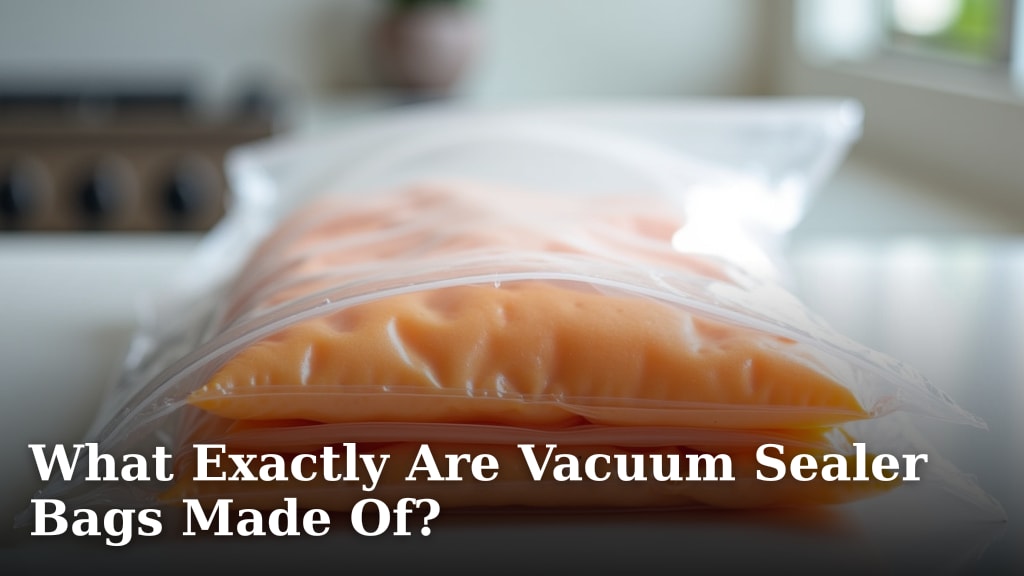
Vacuum bags can use different materials and layer structures. Our guide to what vacuum sealer bags are made of explains the common materials and why the construction can vary.
For a storage-format comparison, see Mylar bags vs vacuum bags.
A BPA-free label also doesn't tell you whether a bag can withstand boiling, microwave heat, or long-term freezer storage. Look for those use directions separately.
Can you boil or microwave FoodSaver bags?
The FoodSaver custom-fit rolls are described as boiling safe and microwave safe. The multipack is described as safe for microwave use, but check its package directions before using it for boiling.
Use the guidance for the exact bag you have, including any temperature limits. Don't use a bag in a cooking method just because it seals with your machine.
Are FoodSaver bags suitable for sous vide?
FoodSaver describes both options as suitable for sous vide cooking. The custom-fit rolls are also described as boiling safe.
Cut a bag long enough to leave room for a secure seal above the food. Follow the instructions for your sealer and bag, and avoid reusing bags that held raw meat or fish.
How do you choose BPA-free vacuum bags?
Choose a bag that is clearly labeled for your intended use and fits your sealer. Check the material and cooking instructions, then compare roll or pre-cut formats.
Our guide to best BPA-free vacuum sealer bags compares options for shoppers who want to review more than FoodSaver bags. If you need freezer storage, see best vacuum freezer bags for freezer-focused choices.
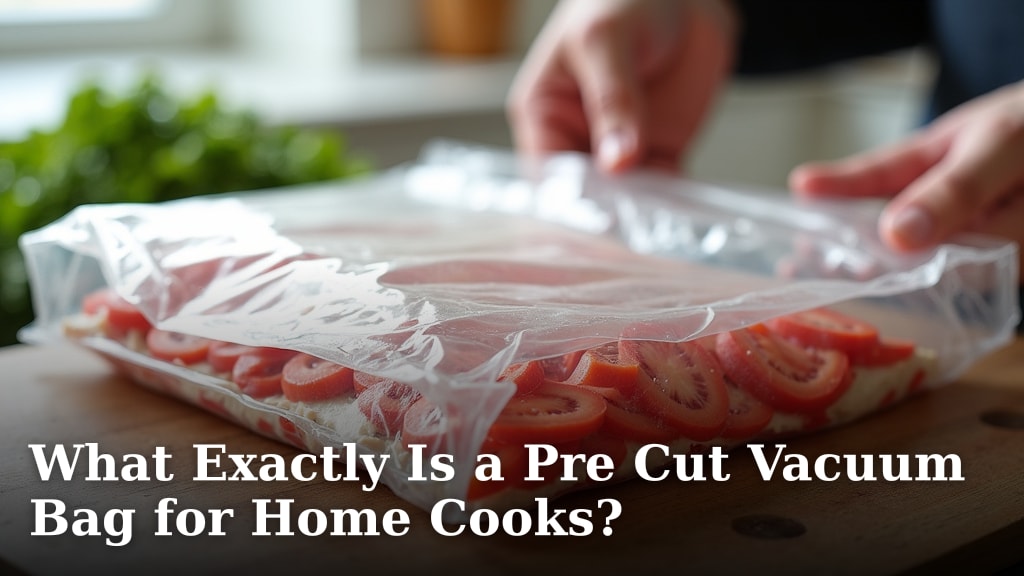
Avid Armor's bags are pre-cut 8 x 12 in bags and are described as suitable for storage, sous vide, freezing, and dehydrated foods. The brand identifies the material as poly nylon.
Pre-cut bags save you from measuring and cutting, while rolls let you choose a custom length. For compatible roll and precut options, see bags for Anova external sealers.
Consider what you seal most often and check that the bag style works with your machine.
Can you reuse FoodSaver bags?
Reuse depends on what the bag held and whether it remains clean and undamaged. Follow FoodSaver's directions, and don't reuse a bag that held raw meat, fish, or greasy food.
For details on washing and reuse limits, see whether you can reuse vacuum sealer bags. When buying freezer bags, compare quart freezer bag options and BPA-free freezer bags for the size and labeling you need.
How can you check the bag you already own?
Read the package or the bag's printed label for BPA-free wording and permitted uses. If the material or cooking directions aren't clear, contact the brand before using it for heat.
FoodSaver rolls can be cut to fit different portions, while pre-cut bags provide a fixed size. For a narrower machine setup, compare 8-inch bags for FoodSaver machines before choosing a roll.
Which BPA-free FoodSaver bag should you choose?
If you want adjustable bag lengths, choose the FoodSaver custom-fit rolls or multipack and check the package for the use you need. If you prefer pre-cut bags, consider the Avid Armor quart bags after confirming compatibility with your sealer.
For a separate pump system, compare vacuum bags for handheld sealers.
The key rule for are FoodSaver bags BPA free is simple: the FoodSaver options here are described as BPA free, but check your own package for its material and use directions. Match the bag to your machine and the way you'll store or cook the food.
Frequently asked questions
Are FoodSaver bags BPA free?
FoodSaver describes both its custom-fit rolls and custom-length multipack as BPA free. Check the packaging for the specific bag you have, since bag styles and materials can differ; use each bag only for conditions its instructions allow.
Are FoodSaver bags safe for sous vide?
The FoodSaver custom-fit rolls and multipack are described as suitable for sous vide, and the custom-fit rolls are described as boiling safe. Follow the instructions for your exact bag and sealer, including any temperature or time limits.
Can you microwave FoodSaver bags?
The two FoodSaver options here are described as microwave safe. Follow their package directions, and don't assume that another vacuum bag is microwave safe just because it fits a FoodSaver sealer.
Does BPA-free mean a bag is safe for every use?
No. BPA-free addresses one material concern, but it doesn't tell you whether a bag is suitable for boiling, microwaving, freezing, or other uses.
Check the bag's instructions for those conditions and use it only as directed.