What Exactly Are Vacuum Sealer Bags Made Of?
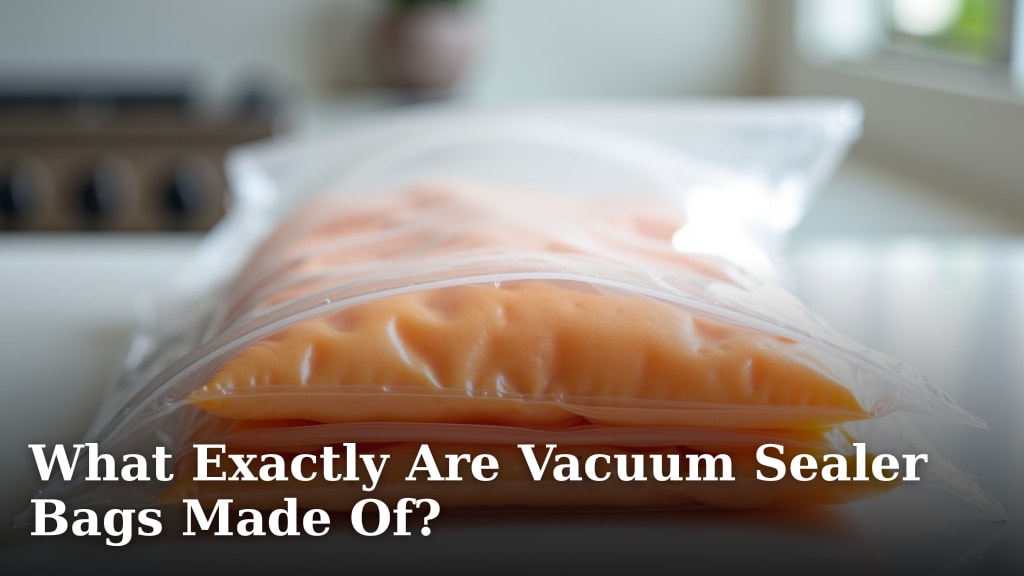
Vacuum sealer bags are typically made from a multi-layer plastic film. This film is designed to be food-safe and create an airtight seal. The layers work together to provide durability and prevent air from getting in or out, keeping your food fresh longer.
Most commonly, these bags are a combination of polyethylene and nylon. Polyethylene offers flexibility and is safe for food contact. Nylon adds strength and creates a barrier against oxygen, which is key for preserving food. You might also find bags with an EVA layer for better sealing performance.
- Vacuum sealer bags are usually made of plastic film.
- Common materials include polyethylene and nylon layers.
- These layers provide food safety and an airtight seal.
- The combination helps keep food fresh for extended periods.
So, what exactly are these bags made of, and why does it matter for your food? Let’s break down the materials and their role in keeping your food safe and fresh.
Understanding the Materials in Your Vacuum Sealer Bags
You’ve probably wondered about the plastic holding your food fresh. What exactly are those vacuum sealer bags made from? It’s a great question to ask for peace of mind. These bags are engineered using a special type of plastic film. This film is designed with your food safety in mind. It also needs to create a strong, airtight seal. The layers within the plastic work together to keep air out. This process is key to extending the life of your food.
The Core Components: Polyethylene and Nylon
Most vacuum sealer bags you’ll find are a combination of two main plastics. These are polyethylene and nylon. Think of them as a superhero team for your food storage. Polyethylene is known for being flexible. It’s also recognized as being food-safe for direct contact. This makes it a perfect base layer.
Nylon adds the strength and the barrier properties. It’s really good at stopping oxygen from getting through. Oxygen is the enemy of fresh food. It causes spoilage and affects taste and texture. By preventing oxygen entry, nylon helps keep your food tasting great.
Polyethylene’s Role: Flexibility and Safety
Polyethylene is a common plastic. You find it in many everyday items. For vacuum sealer bags, its main job is to be pliable. This allows the bag to conform to the shape of your food. It also ensures a good seal when the vacuum sealer machine does its work. Importantly, polyethylene used in food packaging meets strict standards for safety. This means it won’t leach harmful chemicals into your food.
Nylon’s Contribution: Strength and Oxygen Barrier
Nylon, often referred to as polyamide, brings a different set of skills. It’s known for its toughness and resistance to puncture. This is important because you don’t want your bag to tear in the freezer or fridge. Even more critical is nylon’s ability to block oxygen. This barrier is what really makes vacuum sealing effective for long-term storage. Many research studies highlight the importance of oxygen reduction for food preservation (National Center for Biotechnology Information).
Other Potential Materials and Additives
While polyethylene and nylon are the stars, other materials can be part of the mix. Sometimes, you might see bags that include EVA. EVA stands for ethylene-vinyl acetate. It’s another type of plastic that can enhance the sealing process. Some bags are designed for specific types of sealers, like those with a textured side to help the machine grab the bag. These textures are often achieved through the manufacturing process of the plastic layers themselves.
EVA for Enhanced Sealing
EVA can be added to create a more reliable seal. It’s often found in embossed or textured bags. These textures create channels for air to escape easily during the sealing process. This ensures a better vacuum is pulled. It also helps prevent premature seal failure. Think of it as an extra little helper for your vacuum sealer machine.
The Importance of Layers: A Sandwich for Freshness
It’s helpful to think of these bags as a type of plastic sandwich. Each layer has a specific job. The outer layers might be nylon for durability and oxygen barrier. The inner layers, touching your food, are usually polyethylene for safety and flexibility. This multi-layer construction is what gives the bags their unique properties. It’s this combination that makes them so effective at preserving food.
Are All Vacuum Sealer Bags the Same?
No, not all vacuum sealer bags are created equal. While the core materials are often similar, there can be differences. The thickness of the plastic can vary. This affects how durable the bag is. The specific blend of polyethylene and nylon can also change. Some manufacturers might use slightly different additives to improve performance. Even the way the bag is manufactured can impact its ability to hold a seal.
Comparing Different Bag Types
You’ll find different types of vacuum sealer bags on the market. Some are rolls that you cut to size. Others come as pre-cut bags. Some are designed for moist foods, while others are better for dry goods. The material composition might be slightly adjusted for these different uses. Always check the product description to ensure you’re getting the right type of bag for your needs. The material is the foundation of its performance.
Food Safety Standards: What You Need to Know
When it comes to food contact materials, safety is non-negotiable. You want to be sure that the plastic your food touches is safe. Regulatory bodies in different countries set standards for this. In the United States, the Food and Drug Administration (FDA) oversees food safety regulations. Materials used in food packaging must be approved or generally recognized as safe (GRAS). This means the polyethylene and nylon used in quality vacuum sealer bags have met these strict safety requirements (U.S. Food & Drug Administration).
This means the plastic is not expected to leach harmful substances into your food under normal use conditions. It’s reassuring to know that the bags are designed with your health as a top priority. You can feel confident using them for storing everything from leftovers to bulk purchases.
Why Does the Material Matter for Your Food?
The materials used directly impact how well your food stays fresh. A bag made with a good oxygen barrier will prevent spoilage for longer. This means less food waste and more money saved. The durability of the plastic also plays a role. A strong bag is less likely to break in your freezer. This protects your food from freezer burn and contamination.
Think about it: a flimsy bag might let air in eventually. This defeats the purpose of vacuum sealing. A bag with the right materials acts like a protective shield. It keeps out air, moisture, and odors. This preservation quality is why understanding the bag’s material is so important for home cooks and anyone looking to store food effectively.
A Quick Checklist for Choosing Your Bags
- Look for bags labeled as food-grade or BPA-free.
- Consider bags made from a combination of polyethylene and nylon for best performance.
- Check if the bags are designed for your specific vacuum sealer (e.g., external or chamber vacuum sealer).
- Evaluate the thickness (mil thickness is often listed) for durability.
- Read reviews to see how well the bags hold a seal over time.
- Ensure the manufacturer complies with relevant food safety standards.
Conclusion
You’ve learned that your vacuum sealer bags are more than just plastic. They’re carefully constructed from layers like polyethylene and nylon. These materials work together to keep your food safe and incredibly fresh. Polyethylene offers flexibility and food safety. Nylon provides the strength and the essential oxygen barrier. Understanding these components helps you choose the right bags. This knowledge ensures you get the best preservation for your food. Now, when you buy bags, you can look for quality materials. This leads to less food waste and saves you money in your kitchen.
Frequently Asked Questions
Are all vacuum sealer bags BPA-free?
Most quality vacuum sealer bags made from polyethylene and nylon are BPA-free. Manufacturers aiming for food safety standards usually avoid BPA. It’s always a good idea to check the product packaging or description to be sure. Look for labeling that explicitly states “BPA-free” for extra peace of mind.
Can I reuse vacuum sealer bags?
For food safety reasons, it’s generally not recommended to reuse vacuum sealer bags, especially for raw meats or poultry. While some bags might be technically washable, bacteria can be hard to remove completely. Disposable bags are designed for single use to prevent cross-contamination and ensure the best seal.
What does “mil thickness” mean for vacuum sealer bags?
Mil thickness refers to the thickness of the plastic film used in the bags. A higher mil number means a thicker, more durable bag. Thicker bags are less likely to puncture or tear, which is great for storing sharp or pointy foods. They also generally offer a better barrier against air and moisture.
Are textured vacuum sealer bags better than smooth ones?
Textured, or embossed, bags have small channels that help your vacuum sealer remove air more efficiently. This can result in a tighter seal compared to smooth bags, especially for external (suction) type vacuum sealers. Smooth bags are often used with chamber vacuum sealers which work differently.
Can I use regular plastic wrap or Ziploc bags with my vacuum sealer?
No, you should not use regular plastic wrap or standard Ziploc bags with your vacuum sealer machine. These bags are not designed to withstand the vacuum process or create an airtight seal. They can easily collapse or fail, and they don’t have the necessary material layers for proper food preservation.