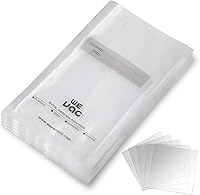
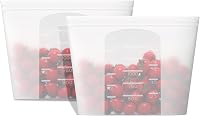
Are Vacuum Sealer Bags Universal?
No, vacuum sealer bags are not truly universal. Most edge sealers can use similar textured bags, but width, texture, and valve systems must still match your machine.
On this page (10 sections)
- Are vacuum sealer bags universal across brands?
- What makes a vacuum sealer bag work?
- How do bag width and roll size affect fit?
- Are chamber vacuum sealer bags the same as edge sealer bags?
- Can you use FoodSaver bags on other sealers?
- What does an 8 inch versus 11 inch roll mean in practice?
- Which bag format is best for meal prep and sous vide?
- How do you test a new bag on your sealer?
- What should you check before you buy replacement bags?
- Are vacuum sealer bags universal? The short answer
No, vacuum sealer bags are not truly universal. Many textured edge-sealer bags will work on more than one brand, but fit is not guaranteed.
Width, texture, and accessory ports decide whether a bag can vacuum and seal well.
You can often swap brands if both use the same basic edge-sealing method. The trouble starts with chamber-style bags, valve bags, and rolls that are too wide for your machine.
Are vacuum sealer bags universal across brands?
No, they are not universal in a strict sense. A bag works only when your sealer can pull air through its texture and heat seal the open edge.
Avid Armor says its deeply embossed 8 x 12 inch bags work with its machines and all major suction-style edge sealers. That covers edge sealers, not chamber sealers.
FoodSaver describes its rolls as made for FoodSaver systems. That does not prove they fail elsewhere, but it means you should not assume a perfect match.
Read the bag label before you order. If it says edge sealer or suction sealer, it is a candidate.
If it says chamber sealer, do not mix the types.
For brand-specific picks, start with best weston vacuum sealer bags and best foodsaver vacuum sealer bags. Compare best foodsaver pre cut bags for pre-cut convenience.
What makes a vacuum sealer bag work?
A bag works because of three parts. The textured side lets air escape, the smooth edge lets the heat bar seal, and the layers block air and moisture after sealing.
If one part is wrong, the seal can fail.
Texture is the main compatibility issue. Edge sealers need channels in the bag so suction can pull air from around the food.
Smooth chamber bags have no such channels because the chamber removes air from outside the bag.
Embossing depth also matters. If texture is too faint, some machines struggle to reach a full vacuum.
Avid Armor points to its deeply embossed mesh grid as a way to create steady suction flow across major suction-style edge sealers.
Thickness and layer design matter for durability, but they do not decide basic fit. A thicker bag can still fail if the texture or width is wrong for your machine.
How do bag width and roll size affect fit?
Width affects fit directly. Your bag or roll must be narrower than the seal bar and must leave room for the machine to grip the open end.
An 8 inch roll suits small to medium portions, including fish or sliced meat. It also leaves space in machines built for 11 inch rolls and creates less waste on flat items.
An 11 inch roll gives more room for bulky foods. It can hold a whole chicken or a large roast with less tight packing, but it needs a sealer with a longer bar.
Pre-cut bags add another limit. A fixed 8 x 12 inch quart bag is fast for single portions, but it cannot stretch to fit a large cut.
Rolls let you cut a longer bag when the food needs it.
Rolls suit mixed loads better. Pre-cut bags suit repeat portions better.
Your food size should decide which format you buy first.
Are chamber vacuum sealer bags the same as edge sealer bags?
No, chamber bags and edge sealer bags are not the same. Chamber bags are smooth because the chamber pulls air from the space around the bag.
Edge sealer bags need texture because the machine must pull air from inside the bag. A smooth chamber bag in an edge sealer often gives a weak vacuum or no vacuum at all.
A textured edge bag in a chamber sealer may still seal, but you lose the speed and close fit that make a chamber system useful.
Valve bags are a third type. They have a built-in one-way valve for canisters and containers, so they need the right accessory port or hose.
If you own a chamber sealer, buy bags made for that system. If you own an external suction sealer, buy textured bags made for edge sealing.
Our guide to best embossed vacuum sealer bags explains why texture depth matters.
Can you use FoodSaver bags on other sealers?
Often yes, but you should check width and texture first. FoodSaver rolls are made for FoodSaver systems, yet many edge sealers accept the same 8 inch and 11 inch textured rolls.
The seal bar length is the limit.
The first product here is an 8 x 20 foot roll, sold as a 3-pack. FoodSaver says its multilayer design helps create an airtight seal and lock in flavor.
It also says the material is BPA-free and safe for raw and cooked foods.
Custom length is the main plus. You can cut a short bag for a single portion or a longer one for a bulky item.
That reduces waste compared with trimming a fixed pre-cut bag down to size.
FoodSaver also says the bags suit the freezer, refrigerator, microwave, and boiling. Treat those as maker claims for that product line, and follow the heat limits in your own manual when you use them for sous vide or reheating.
What does an 8 inch versus 11 inch roll mean in practice?
It means how much food you can pack without stretching the bag. An 8 inch roll fits most flat foods and small portions, while an 11 inch roll fits bulky cuts and larger roasts.
The wider roll also needs a longer seal bar.
The multipack below combines both widths. It has two 8 x 20 inch rolls and three 11 x 16 inch rolls.
That mix suits a kitchen that seals snacks and steaks one week, then a whole bird the next.
FoodSaver says the multipack is BPA-free and safe for freezer, refrigerator, microwave, and dishwasher use, with multilayer construction. It also says the bags help protect food from freezer burn and spoilage up to 5 times longer than nonvacuum storage.
Use the 8 inch rolls for flat portions to save material. Keep the 11 inch rolls for foods that need width, such as bone-in cuts or folded items.
That split helps you match bag size to food size instead of forcing one width for every job.
Which bag format is best for meal prep and sous vide?
Pre-cut bags suit repeat portions, and rolls suit mixed sizes. Choose pre-cut bags for the same amount each time, and rolls when portions change.
The Avid Armor 100-pack is 8 x 12 inches, quart size. It suits single portions of stew, beans, or steak, and the tear notch opens frozen food cleanly.
Avid Armor says the poly plus nylon bags are BPA-free. They handle high-temp sous vide baths and hot water thawing, and are microwave safe after you cut a small vent hole.
FoodSaver 8 x 20 foot rolls let you cut length to the food. That helps with long fish fillets or rolled meats, so keep the seal above the water line.
For material choices, see What Exactly Are Vacuum Sealer Bags Made Of?. For reuse rules, see Can Really You Reuse Vacuum Sealer Bags?.
How do you test a new bag on your sealer?
Test one bag with a simple food first. Use a dry, flat item such as bread or a folded paper towel, then check vacuum and seal quality before a full load.
Place the open end in the channel with the textured side facing the correct way. Keep the seal area clean and dry, since moisture can cause a weak bond.
The bag should pull tight around the food, and the seal should look smooth and even. It should also hold when you press and bend it gently.
A wrinkled or narrow seal often means the bag sat wrong or the bar was too short. If vacuum is weak, try deeper embossing, such as best out of air vacuum sealer bags and best avid armor vacuum sealer bags.
What should you check before you buy replacement bags?
Check machine type, width, texture, and use case before you order. Buy edge sealer bags for an edge sealer, and chamber bags for a chamber machine.
That one check prevents most failed seals.
Also check rolls or pre-cut bags. Rolls give size control for mixed foods, while pre-cut bags give speed for meal prep.
The best foodsaver 8 inch bags guide suits portions that fit that width.
Check heat use next. Confirm the material is rated for sous vide, freezing, or microwave reheating before use.
Do not use a freezer bag for boiling water just because it sealed in the freezer.
Finally, check accessory needs. Valve bags and canisters need the right port or hose.
Compare best anova vacuum sealer bags if you use an Anova external sealer.
Are vacuum sealer bags universal? The short answer
No, vacuum sealer bags are not universal, but many textured edge sealer bags cross brands. Match the bag type to your sealer type, match the width to your seal bar, and choose texture that your machine can pull air through.
Pick FoodSaver rolls if you want custom lengths in 8 inch and 11 inch widths for a FoodSaver system. Pick the Avid Armor 100-pack if you mostly pack 8 x 12 inch quart portions and want pre-cut speed.
Pick the FoodSaver multipack if you seal both flat portions and bulky cuts and want both widths in one set.
For brand-specific options, compare best bonsenkitchen vacuum sealer bags and best wevac vacuum sealer bags for food against the three products above. That side-by-side check helps you match bag texture and width to the sealer you already own.
Frequently asked questions
Are vacuum sealer bags universal?
No. Many textured bags work across edge sealers, but width, texture depth, and valve design can affect suction.
Check your sealer manual and the bag maker guidance before ordering.