How Long Does Vacuum Sealed Meat Last in the Fridge?
How long vacuum sealed meat last in fridge depends on meat type, but raw beef, pork, and lamb usually last 3 to 5 days at 32 to 40°F, while raw poultry and ground meat last 1 to 2 days. Cooked meat lasts 3 to 4 days, and deli sliced meat lasts about 5 days once the pack is opened.
On this page (11 sections)
- How long can vacuum sealed meat last in the fridge?
- What does vacuum sealing actually do to meat?
- How long does vacuum sealed raw beef last in the fridge?
- How long do vacuum sealed pork and lamb last in the fridge?
- How long does vacuum sealed chicken and turkey last in the fridge?
- How long does vacuum sealed cooked meat last in the fridge?
- How do deer and game meat fit into fridge storage?
- How do you seal meat so it lasts as long as it can?
- What signs mean you should throw vacuum sealed meat away?
- Can you stretch fridge time by freezing sealed meat?
- How can you plan shopping and sealing to waste less meat?
How long vacuum sealed meat last in fridge is a short safety question with different answers by meat type. Raw beef, pork, and lamb generally keep for 3 to 5 days, while raw poultry and ground meat keep for 1 to 2 days.
Cooked meat keeps for 3 to 4 days.
Vacuum sealing removes air, which slows oxidation and drying. It does not kill bacteria, so fridge temperature and the date you bought the meat still matter.
How long can vacuum sealed meat last in the fridge?
Vacuum sealed meat can last in the fridge for 1 to 5 days, depending on the meat. Raw red meat steaks and roasts sit at the longer end, while ground meat, poultry, and seafood sit at the shorter end.
Set your fridge to 32 to 40°F and keep meat on a lower shelf away from the door. Write the sealing date on the bag, since a strong seal does not reset the clock.
Count from the purchase day, not the sealing day. If beef sat in your fridge for two days before you sealed it, give it three more days at most.
What does vacuum sealing actually do to meat?
Vacuum sealing removes air from the pack and heat seals the bag closed. That slows drying, oxidation, and odor spread, and keeps juices off fridge shelves.
It does not sterilize meat. Bacteria on the meat before sealing can still grow in a cold, low oxygen pack, so a sealed pack can look fine and still smell wrong.
Think of sealing as protection against air, not protection against time.
For a plain definition of the process, see What Exactly Does Vacuum Sealed Mean for Home Cooks?. Freezing for longer storage is covered in how long does vacuum sealed meat last frozen.
How long does vacuum sealed raw beef last in the fridge?
Raw vacuum sealed beef steaks and roasts last 3 to 5 days at 32 to 40°F, while ground beef lasts 1 to 2 days. Grinding spreads bacteria through the meat, and a whole roast holds up better than thin steaks.
Beef may look darker or more purple in a vacuum pack because it has had less oxygen. That alone does not mean it is bad.
Count from the day you bought it, and check for a sour or ammonia smell, slime, a swollen pack, or cloudy liquid. For a large roast, cook it within the raw meat window, then seal the cooked slices separately for 3 to 4 days.
How long do vacuum sealed pork and lamb last in the fridge?
Vacuum sealed pork chops, loin, and lamb cuts last 3 to 5 days in the fridge, while ground pork lasts 1 to 2 days. Thick cuts hold up better than thin sliced meat.
Look for sour odors, sticky surfaces, and off colors. Small amounts of clear liquid are normal, but cloudy or foamy liquid is not.
Label each pack with the meat type and sealing date, and move packs you will not cook in time to the freezer. Marinated pork or lamb follows the same limit as plain meat, so cook it on the earlier side of the 3 to 5 day range.
How long does vacuum sealed chicken and turkey last in the fridge?
Raw vacuum sealed chicken and turkey last only 1 to 2 days in the fridge. Poultry carries a higher risk of foodborne bacteria, and ground turkey follows the same short limit as ground beef.
Do not keep raw poultry for 3 to 5 days just because it is sealed. Check for a sour smell, sticky skin, or unusual color before cooking.
Cook poultry to 165°F, and freeze extra value pack portions the same day you buy them.
If a family pack holds more chicken than you need for one meal, split it before sealing. Seal each portion on its own, freeze the extras at 0°F, and keep only one portion in the fridge for the next day or two.
How long does vacuum sealed cooked meat last in the fridge?
Cooked vacuum sealed meat lasts 3 to 4 days in the fridge. That covers cooked beef, pork, chicken, and leftovers sealed after cooling.
Deli sliced meat lasts about 5 days once you open the pack.
Cool cooked meat quickly in shallow containers before sealing, since hot food traps steam. Reheat to 165°F and serve right away.
Our guide to how long does cooked vacuum sealed meat last covers reheating, portioning, and freezing for leftovers.
Leftovers sealed while still warm can trap moisture inside the pack. Let cooked meat cool in the fridge first, then seal it, and press out excess sauce or gravy so the seal stays clean and dry.
How do deer and game meat fit into fridge storage?
Vacuum sealed deer meat follows the same fridge limits as beef, with steaks and roasts at 3 to 5 days and ground venison at 1 to 2 days. Game meat you processed yourself needs extra care with clean tools and fast chilling.
Wild game can carry more surface bacteria than store bought meat. Chill it quickly, seal it in clean bags, and keep it at 32 to 40°F.
For game specific details, see how long does vacuum sealed deer meat last. If game meat was field dressed and transported before chilling, count those hours against its fridge life and freeze most of the harvest the same day.
How do you seal meat so it lasts as long as it can?
Seal meat the same day you buy it, keep it cold, and leave a clean dry edge inside the bag. Liquid on the seal edge can cause a weak seal, so pat meat dry and do not overfill the bag.
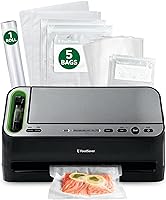
The FoodSaver V4400 2-in-1 Vacuum Sealer Machine suits trial packs with automatic bag detection, built in roll storage and cutter, and a starter kit with an 11 inch by 10 foot roll plus quart and gallon bags.
The Chef Preserve Compact Vacuum Sealer for Food suits small portions. It is a handheld battery powered sealer with 30 reusable bags included, 15 small and 15 medium, and seals a bag in about 5 seconds.
How do you handle moist meat when sealing?
Moist meat needs a dry seal edge and room for liquid to move away from the heat seal. Pat steaks, chops, and poultry dry with a clean paper towel, then place the meat below the seal line without stretching the bag.
The FoodSaver V4400 uses automatic moisture detection to switch to the correct mode for an airtight seal. Its removable drip tray catches overflow liquid and is dishwasher safe, which helps when you seal juicy roasts or marinated cuts in batches.
How do you know a vacuum seal failed?
A failed seal feels loose, has air inside, or leaks liquid. Press the pack gently and look for wrinkles, punctures, or food trapped in the seal edge.
Hold the pack upright for a minute to check for leaks.
Cut the bag open and reseal right away only if the meat still smells fresh. If it smells sour or feels slimy, discard it.
Use a new bag and clean the seal area before trying again.
What signs mean you should throw vacuum sealed meat away?
Throw vacuum sealed meat away if it smells sour, feels slimy, looks moldy, or comes in a swollen pack. Those signs matter even inside the fridge date range.
Dates are guides, not guarantees.
Check for cloudy juices, green or black spots, and a strong ammonia smell. Never taste test meat to check it, since harmful bacteria do not always change the taste.
Wash your hands and clean the shelf where the pack sat.
A swollen pack can signal gas from bacteria, even when the seal looks intact. Do not reseal or cook meat from a swollen pack to try to save it, and check nearby packs on the same shelf for leaks or odors.
Can you stretch fridge time by freezing sealed meat?
Freezing is the best way to stretch storage beyond 5 days. Move the sealed pack to a freezer set to 0°F or below, and freeze meat flat in single layer packs for faster freezing and thawing.
Label each pack with the meat type and freeze date.
The Ziploc Quart Freezer Slider Bags are a simple backup for double bagging sealed meat. This pack has 136 quart bags in a 4 pack, with a slider closure and Power Shield film that resists punctures and tears.
Thaw frozen sealed meat in the fridge, not on the counter. Once thawed, cook poultry and ground meat within 1 to 2 days, or beef, pork, and lamb cuts within 3 to 5 days.
Double bagging helps when sharp bone edges or frozen corners could puncture a vacuum bag. Slide the sealed pack into a quart freezer slider bag, and the expandable bottom and flat base make it easier to add and stack the pack.
How can you plan shopping and sealing to waste less meat?
Buy only what you can cook within the fridge limits, and freeze the rest the same day. Seal one meal per pack so you do not open a large pack and leave the rest in the fridge.
Put steaks and chops in the first 3 days of your meal plan, and move poultry and ground meat to the first 1 to 2 days. Keep a fridge thermometer reading 32 to 40°F, label clearly, and use older packs first.
Match pack size to appetite before you seal. A 10 pound countertop unit works well for weekly batches, while a 2.2 pound handheld sealer with reusable bags suits quick single portion packs, so choose the setup you will actually use each time.
Frequently asked questions
How long does vacuum sealed raw beef last in the fridge?
Raw vacuum sealed beef steaks or roasts usually last 3 to 5 days in a fridge set to 32 to 40°F. Ground beef lasts 1 to 2 days.
Check the date you sealed it, smell for sour or ammonia odors, and discard it if the surface feels slimy.
Does vacuum sealing make raw meat safe for two weeks in the fridge?
No. Vacuum sealing slows oxygen damage and drying, but it does not stop all bacteria.
Raw meat still follows short fridge limits from food safety guidance.
If you need longer storage, freeze the sealed pack at 0°F instead of keeping it refrigerated.
How can you tell vacuum sealed meat has gone bad?
Look for a swollen or loose pack, cloudy juices, gray or green color that spreads, and a sour, sweet, or ammonia smell. Slimy texture is a clear warning sign.
When in doubt, throw it out, since you cannot taste test meat for safety.
Should you refreeze vacuum sealed meat after thawing in the fridge?
You can refreeze raw meat thawed in the fridge if it stayed at 40°F or below and you cook it soon after thawing. Quality often drops after a second freeze.
If thawed meat smells off or sat out too long, discard it.