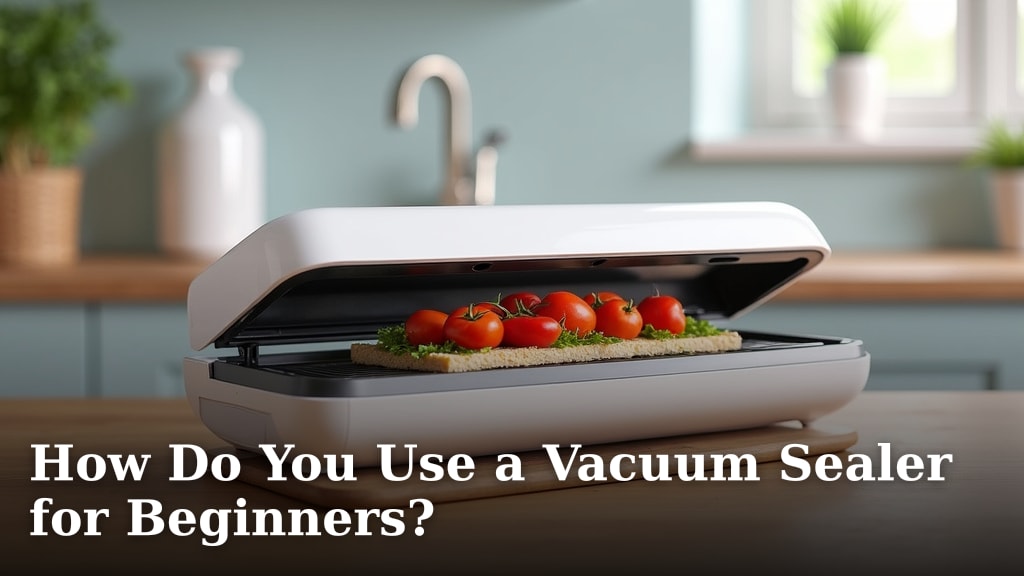
What Exactly Does Vacuum Sealed Mean for Home Cooks?
On this page (7 sections)
Understanding the Vacuum Sealing Process
Vacuum sealing is a simple food preservation method that removes air from a bag or container before sealing it shut. Think of it as giving your food a tight, protective hug. The goal is to create an environment where the enemies of fresh food—oxygen and moisture—can’t do their damage.
This process dramatically slows down food spoilage. According to the USDA, removing air prevents the growth of bacteria, molds, and yeasts that cause food to rot. It also stops freezer burn, that dry, discolored patch on frozen food that tastes terrible.
The Science of Removing Air
Why is air such a big deal? Oxygen is a primary driver of food decay. When food is exposed to it, fats can go rancid, vitamins break down, and colors fade. A vacuum sealer is your frontline defense against this process.
- Oxygen Exposure: Directly linked to freezer burn and staleness.
- Moisture Loss: Air circulating in a freezer pulls moisture from food surfaces.
- Microbial Growth: Many harmful bacteria need oxygen to multiply.
The sealer’s pump physically sucks the air out of a special plastic bag. The bag is then heated along its opening to create a permanent, airtight seal. The result? Your food is isolated from the outside environment.
What’s Actually Inside the Bag?
When you vacuum seal something, you’re not just removing air. You’re also pressing the bag tightly against the food. This contact prevents ice crystals from forming on the surface of frozen items, which is a key cause of texture degradation. For liquids, the process prevents them from spilling and helps solids marinate faster by using pressure to push flavors in.
Real Benefits in Your Kitchen
Let’s cut to the chase. For a home cook, vacuum sealing isn’t just a fancy gadget feature. It solves real, everyday problems in the kitchen and saves you money.
Preserving Freshness and Flavor
You know that spinach you bought on Monday that’s wilted by Thursday? Vacuum sealing can help. Research shows that packaging fresh produce in modified atmosphere packaging, a concept similar to vacuum sealing, can extend shelf life by several days to weeks (USDA). For many foods, it keeps that just-bought taste and crispness far longer than standard storage.
It’s especially powerful for items like berries, cheese, and baked goods. Imagine slicing a loaf of bread, vacuum sealing half, and enjoying it fresh weeks later instead of finding mold.
Fighting Freezer Burn for Good
Freezer burn is the result of sublimation, where ice turns directly into vapor, dehydrating your food. An airtight seal is the most effective way to prevent it. We found that a proper vacuum seal is considered the gold standard for preventing freezer burn in home frozen food storage (National Center for Home Food Preservation). No more scraping off icy, gray bits from your chicken breasts.
Saving Money by Reducing Waste
The average American family wastes about 30-40 percent of its food supply, according to the USDA. A lot of that waste comes from food spoiling before you can use it. Vacuum sealing lets you buy in bulk during sales, preserve leftovers from large meals, and portion out ingredients, ensuring you use what you pay for. It’s a practical tool for a more efficient kitchen.
Choosing Your Vacuum Sealing Method
You have two main paths for vacuum sealing at home. The best one depends on your budget, how much food you seal, and what you plan to use it for.
External Suction Sealers
These are the most common and affordable home models. You place the open end of a bag into the machine, and it sucks the air out of the entire bag through that opening. They are great for dry goods and solid items like meats, nuts, and hard cheeses. They can struggle with very moist foods, as the liquid might get pulled into the sealer.
Chamber Sealers
Found more often in commercial kitchens but increasingly in serious home setups, chamber sealers work differently. You place the entire bag inside a chamber. The machine then removes the air from the entire chamber, including from inside and outside the bag, before sealing it. This method is superior for liquids and delicate foods like soups, stews, and marinated meats, because the process doesn’t involve sucking.
Quick Comparison: External vs. Chamber Sealers
| Feature | External Suction Sealer | Chamber Sealer |
|---|---|---|
| Best For | Solids, dry goods, occasional use | Liquids, moist foods, heavy use |
| Price Range | Lower (typically under $150) | Higher (starting around $300+) |
| Bag Type | Requires textured bags | Works with smooth, less expensive bags |
| Size | Countertop friendly | Often larger and heavier |
A Note on Bags and Rolls
You can buy pre-cut bags or rolls of bag material you cut to size. Rolls are more economical. Look for bags that are BPA-free and designed for food storage. For sous vide cooking, ensure your bags are rated as food-safe for immersion in hot water. Some generic plastic bags are not meant for this and could leach chemicals.
Practical Tips for Common Foods
Not everything should be thrown in a bag and sealed. A little knowledge goes a long way with different food textures and moisture levels.
Sealing Meats, Poultry, and Fish
This is the most popular use. Portion out what you’ll use for one meal before sealing. For marinades, you can freeze the meat and marinade together in the bag. We found that vacuum sealing can help meats last 2-3 times longer in the freezer compared to conventional wrapping (FoodSafety.gov). Always label with the date and contents.
Handling Wet and Soft Foods
Soft fruits like berries or sliced peaches benefit from a gentle freeze before sealing. Lay them in a single layer on a baking sheet, freeze for an hour, then bag and seal. This prevents them from being crushed. For soups and sauces, chill them completely, then freeze in a solid block in the bag first before vacuum sealing. This avoids pulling liquid into the sealer.
What You Shouldn’t Vacuum Seal
Some foods are unsafe or unsuitable for this method. The USDA specifically advises against vacuum sealing certain items at home due to safety concerns.
- Soft Cheeses: They need to breathe; the vacuum can crush them and alter texture.
- Raw Mushrooms: They are porous and can become slimy.
- Bread: It will be crushed flat. Instead, freeze slices and seal the bag with a quick vacuum pulse, leaving some air.
- Garlic and Onions: They can develop anaerobic bacteria, like botulism, in an oxygen-free environment. Store them in the freezer sealed, not canned or vacuum-sealed for shelf storage.
Making It a Habit: Your Kitchen Checklist
Ready to incorporate vacuum sealing? Start with these simple steps to integrate it smoothly into your routine.
- Start with what you waste most: Identify the food that spoils fastest in your house and seal that first.
- Portion control is key: Always seal what you’ll use in one meal. No one wants to thaw a 5-pound roast for a sandwich.
- Freeze before sealing soft items: Pre-freeze berries, cookie dough, or sliced fruits on a tray to keep their shape.
- Label everything: Use masking tape and a marker. Date and contents are non-negotiable.
- Keep it clean: Wipe the bag opening and the sealer’s sealing strip. Food particles can cause a bad seal.
- Practice with the cheap stuff: Seal a bag of rice or beans to get the feel for the machine before moving on to expensive steaks.
Vacuum sealing transforms how you shop, store, and think about your food. It’s a straightforward tool that builds a more intentional and less wasteful kitchen, one airtight bag at a time.
Conclusion
At its core, vacuum sealing is about giving you control. It’s a straightforward method that protects your food from air, moisture, and freezer burn, helping it stay fresh and flavorful longer. Whether you choose a simple external sealer or a more versatile chamber model, the principle is the same: creating an airtight barrier to save your food and your money. You now know what to seal, what to avoid, and how to get started. Your best next step is to pick one item you waste most often—like berries or chicken breasts—and try sealing a small batch. It’s a practical way to build a more efficient, less wasteful kitchen, one sealed bag at a time.
Frequently Asked Questions
Is vacuum sealed food safe to eat after being in the freezer for a long time?
Yes, it is generally safe, but quality will eventually decline. Vacuum sealing dramatically slows spoilage and prevents freezer burn, but it does not stop all chemical changes. For best quality, use frozen vacuum-sealed meats within 2-3 years and vegetables within 1-2 years. Always rely on your senses; if food looks or smells off, do not eat it.
Can I use a vacuum sealer for sous vide cooking?
Absolutely. In fact, vacuum sealing is ideal for sous vide. The airtight seal ensures maximum heat transfer from the water to the food. Just make sure you use bags specifically rated as food-safe for immersion cooking. Some regular storage bags may not be designed to withstand the temperatures and could leach chemicals.
How long does vacuum sealed food last compared to regular storage?
The extension varies by food. In the fridge, vacuum-sealed meats can last 3-5 times longer than those in standard packaging. In the freezer, it’s less about length and more about quality. Vacuum sealing prevents freezer burn, so food stays in good condition for years instead of developing off-flavors and textures within months.
Why can’t I use regular plastic bags with my vacuum sealer?
External suction sealers require textured bags. The tiny channels in the plastic allow the pump to suck air out efficiently. Smooth bags like standard zip-top bags will just collapse and trap air pockets, preventing a proper seal. Chamber sealers are more flexible and can often use smooth, less expensive bags.
What is the easiest first thing to try sealing as a beginner?
We recommend starting with a dry, solid item like raw rice, pasta, or a bag of nuts. This helps you get comfortable with your machine’s operation without worrying about liquid or delicate textures. Once you master that, move on to portioning out and sealing a simple protein like chicken breast or ground beef.