How to Freeze Food in Meal Prep Containers
Cool food, portion it into freezer-safe containers, leave room for expansion, then seal and label each one. Freeze containers in a single layer until firm, and stack them afterward.
On this page (7 sections)
- How do you freeze meals in meal prep containers?
- How much headspace should you leave?
- How should you seal, label, and arrange containers?
- Which containers work for freezing meal prep?
- Can you freeze glass meal prep containers?
- How do you thaw and reheat frozen meal prep?
- What mistakes make frozen meal prep harder?
To freeze food in meal prep containers, cool it safely, portion it, leave room for expansion, then seal and label each container. Freeze containers in a single layer until firm, and stack them afterward.
Use containers marked freezer-safe and check their care instructions before freezing or reheating. For more on choosing a suitable size and material, see our guide to food storage containers.
How do you freeze meals in meal prep containers?
Divide cooked food into shallow, meal-size portions before freezing. Smaller portions cool faster and are easier to thaw and reheat evenly.
Start with clean, dry containers. Add one meal to each, keeping food below the rim so the lid can close without pressing into the food.
Let hot food stop steaming, then refrigerate or freeze it promptly. Don't wait for a large pot to reach room temperature: perishable food shouldn't sit out for more than 2 hours, or 1 hour if the room is above 90°F.
For a large batch, divide it among shallow containers or use an ice bath to cool it faster. Keep raw meat and its juices separate from cooked food and ready-to-eat ingredients.
What should you know about meal prep containers to freeze?
Choose containers labeled freezer-safe, with lids that fit securely and room for food to expand. Check the care directions for the specific container, especially if you plan to thaw or reheat food in it.
A freezer-safe claim doesn't mean every container handles every temperature change. Avoid freezing cracked, warped, or damaged containers, and don't put a frozen container directly into a hot oven or microwave unless its instructions allow it.
How much headspace should you leave?
Leave about ½ inch at the top for most meals, and more for soups, broth, and other liquids. Food expands as it freezes, so filling to the rim can push against the lid or cause a leak.
Use a larger margin for foods with plenty of liquid. If your container has a fill line or specific headspace instructions, follow those instead.
Keep food away from the rim before closing the lid. Wipe the rim clean so crumbs or sauce don't interfere with the seal.
How should you seal, label, and arrange containers?
Close each lid securely, label the meal and date, then freeze containers in a single layer. Once they're firm, you can stack them to save space.
Use freezer tape or a label that stays readable in cold, damp conditions. Write the meal name and freezing date before the container goes into the freezer.
Leave a little space between warm containers so cold air can circulate. Avoid stacking soft containers on top of one another until the food is frozen solid, since they can tip or deform.
If you want to compare shapes and materials, our guide to the best freezer containers for food covers options for different storage needs.
Which containers work for freezing meal prep?
Use a container that is labeled freezer-safe and fits the portion you plan to store. Round deli tubs can suit soups and sauces, while rectangular meal prep boxes make single servings easier to stack.
DuraHome's 32 oz round containers are made from BPA-free polypropylene and are described as freezer-safe. Their lids are designed for a tight seal, and the containers are reusable.
PROMOZE's one-compartment containers hold 28 oz and are described as freezer-safe. The 50-pack can suit batch cooking when you want multiple single-serving containers.
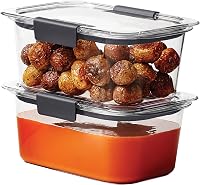
Rubbermaid Brilliance containers are made from Tritan plastic and have secure latches. The set includes five 3.2-cup containers, and the containers are described as freezer-safe.
Compare the options for your routine in our guides to the best meal prep containers for freezer, best glass food storage containers freezer safe, and best plastic freezer containers. For another lidded plastic option, see best rubbermaid airtight food containers.
Can you freeze glass meal prep containers?
Yes, if the glass container is labeled freezer-safe and you leave room for expansion. Avoid sudden temperature changes, which can cause glass to crack.
Let hot food cool before transferring it to glass. Don't place a frozen glass dish into a hot oven or microwave unless its instructions specifically allow that transition.
For portioning rice, freeze it in usable amounts and keep the lid instructions in mind. See rice in souper cubes for a method using portion molds, or souper cubes meal prep for more batch-prep ideas.
How do you thaw and reheat frozen meal prep?
Thaw meals in the refrigerator when possible, then reheat them according to the container's care instructions. If you microwave from frozen, use only a container approved for that use.
Move a meal to the refrigerator the night before you need it. For faster thawing, use a microwave's defrost setting if the food is in a microwave-safe container, and continue reheating promptly.
Open or vent the lid as directed before microwaving. Stir soups and saucy meals partway through heating so the temperature is more even, and check that the center is hot before eating.
Don't thaw perishable food on the counter. If a container is damaged after freezing, move the food to a suitable dish before reheating.
What mistakes make frozen meal prep harder?
Overfilling, sealing warm food, and stacking containers before they freeze can lead to leaks, uneven cooling, or a messy freezer. A few small steps make portions simpler to store and use.
- Don't fill to the top. Leave headspace, especially for liquid foods.
- Don't trap steam. Cool food safely before sealing it for freezing.
- Don't freeze in a tall stack. Arrange containers in one layer until firm.
- Don't guess what's inside. Label the meal and date.
- Don't use damaged containers. Replace cracked lids or warped bases.
For the easiest routine, pick containers sized for one meal, portion food after cooking, and freeze them flat with clear labels. Choose round tubs for soups and sauces, or rectangular boxes when neat stacking matters; see food storage containers if you still need to compare sizes and materials.
Frequently asked questions
Can you freeze food in meal prep containers?
Yes, if the container is labeled freezer-safe and is in good condition. Cool food safely, leave space for expansion, and seal it before freezing.
Check the container's care instructions for limits on freezing, thawing, and reheating, since materials and lids can differ.
How much space should you leave in a container before freezing?
Leave about ½ inch of space at the top for most solid meals, and more for soups or liquids that expand as they freeze. Follow the container's instructions if they give a specific fill line.
Keeping food below the rim also helps prevent spills when you close the lid.
Should food cool before you put it in the freezer?
Yes, divide hot food into shallow portions and let it cool briefly before covering and refrigerating or freezing it. Don't leave perishable food at room temperature for more than 2 hours, or 1 hour when the room is above 90°F.
Small portions cool faster than a large pot.
Can you microwave meal prep containers straight from the freezer?
Only if the container's instructions allow both freezer storage and microwave reheating. Some materials can crack with sudden temperature changes, so thaw in the refrigerator first when the manufacturer advises it.
Vent the lid or remove it before microwaving as directed.