How to Use an Electric Mason Jar Vacuum Sealer
To use an electric mason jar vacuum sealer, fill the jar, wipe the rim clean, place the lid flat, and press the sealer down until the air is removed and the lid clicks. Let the jar sit for 24 hours, then check that the lid has pulled down and stays sealed.
On this page (8 sections)
- What does an electric mason jar vacuum sealer actually do?
- Which jar, lid, and sealer size should you use?
- How do you place the lid for the best seal?
- How to use an electric mason jar vacuum sealer step by step
- How do you check that the jar really sealed and which foods work best?
- How is vacuum sealing different from canning and can a bag sealer work for jars?
- When does a heat sealer help with jar storage?
- How do you store jars, avoid mistakes, and pick the right setup?
To use an electric mason jar vacuum sealer, fill the jar, wipe the rim clean, place the lid flat, and press the sealer down until the air is removed and the lid clicks. Let the jar sit for 24 hours, then check that the lid has pulled down and stays sealed.
This guide shows the full routine in plain steps. You will learn how to prepare a jar, place a lid, run the cycle, and check the result.
What does an electric mason jar vacuum sealer actually do?
An electric mason jar vacuum sealer removes air from under a lid so outside air pressure presses the lid down. It does not heat the jar or cook the food inside.
Most systems use a handheld unit or an attachment that fits over a regular or wide mouth lid. You set the attachment on the lid, press it down, and the unit pulls air through a small port in the lid.
That low air environment slows oxidation and helps dry foods stay fresh longer. It does not make every food shelf stable, and it does not replace refrigeration or freezing for perishable foods.
Dry beans, grains, coffee, spices, flour, and sugar seal more easily because they do not release liquid. If you are new to vacuum sealing, start with How Do You Use a Vacuum Sealer for Beginners?.
Which jar, lid, and sealer size should you use?
Use a clean mason jar with a lid that matches the sealer attachment. Regular mouth and wide mouth jars need different attachments, so check the size before you start.
Place the jar on a flat counter and check the rim for chips. A chipped rim can let air in even when the machine runs correctly.
Choose a lid with an intact rubber sealing ring and no dents in the top. New lids usually seal more reliably than used lids with worn rubber.
Fill the jar only to the level your food and lid maker recommend. Leave enough headspace so food does not touch the lid, and wipe the rim after filling to remove fine powders.
Keep the attachment clean and dry. Crumbs, oil, or moisture on the gasket can break contact with the lid, so wipe it with a clean, dry cloth.
How do you place the lid for the best seal?
Place the lid flat and centered, with the sealing ring facing down on the rim.
Wipe the jar rim and the top of the lid with a clean, dry cloth. Remove crumbs, powder, or oil that could break the seal between the rim and the lid.
Set the lid down gently so it rests evenly. Do not press the center button down by hand, as it should move only when the machine removes air.
Check that the lid is not crooked or hanging over one side. Press the attachment straight down so its seal sits flat across the lid.
Keep the jar upright on the counter. Tilting it can move dry food onto the lid or push liquid into the vacuum port.
How to use an electric mason jar vacuum sealer step by step
Fill, wipe, lid, press, wait, and check is the basic sequence. Read your sealer instructions first for button names, cycle length, and lid compatibility.
- Fill the jar and leave the recommended headspace.
- Wipe the rim and the lid clean and dry.
- Place the lid flat and centered on the jar.
- Set the attachment over the lid and press it down firmly.
- Start the vacuum cycle and keep the attachment still.
- Let the jar rest for 24 hours before you move it much.
- Check the center button and the lid edge for a firm seal.
Keep steady pressure until the machine signals that the cycle is done. Lifting or tilting the attachment early can let air back in before the lid has set.
Some units stop on their own, while others ask you to press a button or hold the unit in place.
What should you do if the lid does not seal?
Try a new lid, clean the rim again, and repeat the cycle once. If the button still pops up, the jar may have a damaged rim or food blocking the port.
Check the headspace and make sure no food touches the lid. Remove the lid, empty loose powder from the rim area, and start again with a clean lid.
Test the attachment on an empty jar with a new lid to separate food issues from equipment issues.
If the empty jar seals, the problem is likely food placement or moisture. If it also fails, the gasket or vacuum unit may need attention.
Do not store food as vacuum sealed until a jar passes the check.
How do you check that the jar really sealed and which foods work best?
Wait 24 hours, then press the center button and check the lid edge. A sealed button stays down, and the lid should not lift with light pressure.
If the button pops up and stays up, air has entered the jar. The lid should sit flat against the rim with no visible gap when viewed from the side.
Try lifting the edge gently with clean fingers, and label each jar with the food name and date.
Dry, low moisture foods work best, including coffee beans, dried beans, rice, flour, sugar, spices, pasta, and powdered drinks. Wet or oily foods need more care because sauces and cooked foods can splash.
For broader storage planning, compare the best vacuum sealer for long term food storage guide.
How is vacuum sealing different from canning and can a bag sealer work for jars?
Vacuum sealing removes air, while canning uses heat to create a shelf stable seal. Those two processes are not interchangeable.
Water bath canning heats acid foods to a tested temperature for a set time, and pressure canning heats low acid foods hotter to kill heat resistant bacteria. A vacuum sealer does not heat the jar contents and cannot kill bacteria in low acid foods.
Do not use a vacuum sealer to can vegetables, meats, or soups for the pantry. Use a tested canning recipe and the right canning method for those foods.
Vacuum sealing is best for dry foods and for foods that will be refrigerated or frozen.
Some bag vacuum sealers work with jars through a handheld attachment, while others need a separate jar sealer accessory. Check compatibility before you buy, since a sealer with no jar attachment may not work with mason jars at all.
Which bag vacuum sealer fits jar users who also seal bags?
The FoodSaver V4400 2-in-1 Vacuum Sealer Machine suits households that want one machine for bags and jars. It has automatic bag detection, built in roll storage, and a cutter for custom bag sizes.
FoodSaver says optional accessories include regular and wide mouth mason jar sealers.
That range matters because jar sealing is only one part of food storage. You may seal dry goods in jars and freeze meals in bags.
A 2-in-1 system can reduce the number of separate tools you need.
The Anova Culinary Vacuum Sealer suits readers who focus on sous vide and bag storage. It is slim and compact, includes 10 pre-cut bags, and has wet and dry modes.
Its size makes it easier to store than a wider countertop unit.
For jar work, you still need the right jar attachment and compatible lids. If jar storage is your main goal, a jar focused sealer may be simpler.
When does a heat sealer help with jar storage?
A heat sealer helps when you store food in bags or pouches instead of jars. It seals the bag material but does not remove air by itself.
That makes a heat sealer a companion tool, not a replacement for a vacuum sealer. You can seal a pouch shut, then decide if it needs vacuum sealing, freezing, or dry storage.
This can help if you prefer small pouches of dry foods before placing them in jars or bins.
Which heat sealer fits pouch based storage?
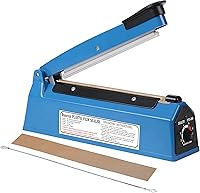
The runruii Impulse Heat Sealer Manual Bags Sealer has a 12 inch sealing bar and adjustable temperature settings. It needs no warm up time, and you press the handle down for a few seconds to make a seal.
Thicker bags need a higher setting, and level 3 is enough for most applications.
This tool cannot cut bags, and it does not pull a vacuum. For pouch based storage, see the best mylar bag sealer machine guide.
Mylar bags need a different sealing approach than jars.
How do you store jars, avoid mistakes, and pick the right setup?
Store sealed jars in a cool, dry, dark place and use the oldest jars first.
Keep them upright so the lid stays clean and sealed. Avoid shelves above a stove or next to a dishwasher, where heat and steam change often.
Check jars from time to time, especially in the first week. Treat a popped up button as a lost seal.
The most common mistakes are a dirty rim, the wrong lid size, and storing wet foods as if they were dry. Do not fill the jar so food touches the lid, reuse a lid with a damaged sealing ring, or assume a click means food is shelf stable.
Wash jars, lids, and attachments according to maker instructions and dry them fully before the next use. Inspect the gasket for cracks, tears, or crumbs.
Pick a jar specific electric sealer if you mostly store dry foods in mason jars. Pick a bag vacuum sealer with a jar attachment if you also seal bags for freezing or sous vide.
For a short list of jar focused models, see the best electric mason jar vacuum sealer guide.
To understand the vacuum cycle itself, read How Exactly Does a Vacuum Sealer Work Step by Step?.
Frequently asked questions
How do you know a mason jar lid is vacuum sealed?
The center button should be pulled down and should not pop up when you press it. The lid should feel firm and should not lift easily at the edge.
If the button stays down after 24 hours, the jar has a vacuum seal.
Can you vacuum seal wet foods in mason jars?
Vacuum sealing can remove air from jars with dry foods most reliably. Wet foods can release liquid during the cycle and may prevent a clean seal.
You can often use a jar sealer for dry pantry foods, then refrigerate or freeze the jar as appropriate.
Is vacuum sealing the same as canning?
No. Vacuum sealing removes air and presses a lid down, but it does not heat food to the temperatures used in water bath or pressure canning.
Vacuum sealed jars should not be stored as shelf stable canned foods unless a tested canning recipe says to do so.
Can you reuse mason jar lids for vacuum sealing?
Reuse depends on the lid maker and the condition of the sealing compound. New lids usually seal more reliably than lids with worn or damaged rubber.
If a lid fails to seal, try a new lid before changing your food or method.