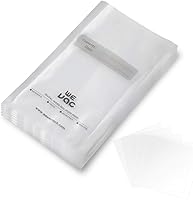
Vacuum Sealer Bags or Rolls: Which Should You Choose?
Choose ready-made vacuum sealer bags for quick, repeat portions; choose rolls when you need custom lengths for bulky, unusually shaped or changing portions. Your machine's compatibility and the amount of trimming you do are the key factors.
On this page (9 sections)
- Are vacuum sealer bags or rolls better for your routine?
- How much time and material do bags and rolls use?
- Will your vacuum sealer work with both formats?
- What bag size fits the food you seal?
- Are bags and rolls made from the same material?
- Can you reuse vacuum sealer bags?
- Which option should you choose for sous vide?
- What should you buy first?
- Should you choose vacuum sealer bags or rolls?
Choose ready-made vacuum sealer bags for quick, repeat portions; choose rolls when you need custom lengths for bulky, unusually shaped or changing portions. Your machine's compatibility and the amount of trimming you do are the key factors.
If you often pack the same size portions, pre-cut bags simplify the job. For family-size meat cuts, long vegetables or mixed-size leftovers, rolls let you set each bag's length.
A roll is a continuous tube that you cut to length and seal at one end before filling. Read what a vacuum sealer roll is if you want a closer look at how it differs from a finished bag.
Are vacuum sealer bags or rolls better for your routine?
Pre-cut bags are better for speed, and rolls are better for flexible portion sizes. The better choice depends on whether you value repeatable sizes or a close fit for each item.
| Your routine | Better starting point | Why |
|---|---|---|
| You pack the same serving size often | Pre-cut bags | Skip measuring and cutting each time |
| Portions vary from small servings to large cuts | Rolls | Adjust bag length to the food |
| You want a fast packing session | Pre-cut bags | Each bag is ready to fill |
| You want to trim unused space | Rolls | Cut to the needed length, with sealing room |
| You need to pack irregular items | Rolls | Make a longer or wider bag when your machine allows it |
| You store food in a few consistent sizes | Pre-cut bags | Keep matching bags on hand |
Neither option makes vacuum sealing automatic. You'll still need to keep the sealing area clean and leave enough empty bag material for the machine to close it securely.
When do vacuum sealer bags make more sense?
Choose pre-cut bags when a standard size fits most of your portions. They are ready to fill, so they suit meal prep and quick packing sessions.
Think about what you freeze most often. If you regularly portion ground meat, berries or single servings, a few standard sizes may cover the routine without extra trimming.
The main trade-off is fit. A pouch that's too small won't hold the food, while a much larger one can leave extra material around a small portion.
Start by sorting a batch of your typical food into groups by size. If those portions fit one or two common bag sizes, pre-cut bags can keep packing simple.
When do vacuum sealer rolls make more sense?
Choose rolls when your portion sizes change or food needs extra length. You cut each bag to fit the contents, which can help avoid using a large standard bag for a smaller portion.
Rolls work well for long vegetables, larger cuts and portions you prepare in different sizes. For oversized portions, compare extra-large vacuum sealer bags with your machine's width limit.
They also let you decide whether to make a small bag for one meal or a larger one for a family portion.
Custom length does not mean cutting right up to the food. Leave enough open material for the machine to pull out air and create the seal, and leave extra room when the contents have liquid or sharp edges.
If you want a step-by-step method, read our guide on how to use vacuum sealer rolls.
How much time and material do bags and rolls use?
Pre-cut bags save preparation time; rolls can help reduce excess material if you measure carefully. The difference depends on your portion sizes and how often you pack food.
With pre-cut bags, the cutting and first-end seal are already done. You just fill and seal the open end, as long as the size fits your food.
With a roll, each bag needs a cut and a seal at one end before you can fill it. That adds a small step, but you can make a better-fitting bag when a standard size would be too large.
A few habits help either format:
- Group food into portions before sealing, so you know what size you need.
- Leave a clear margin above the food for the seal.
- Keep liquids and crumbs away from the sealing area.
- Flatten food in a single layer when that suits the food and makes storage easier.
- Label each sealed portion before it goes into the freezer.
Cutting rolls very close to the food can backfire if there isn't enough material for the machine to seal. Allow a practical margin, and follow the instructions for your sealer.
Will your vacuum sealer work with both formats?
Check your sealer's manual before choosing bags or rolls. Compatibility depends on the machine and the bag material or texture.
Many external vacuum sealers use textured bags or rolls so air can move toward the vacuum channel. Chamber sealers work differently and may use smooth bags.
Don't assume a bag that fits the width will work with every machine.
Some rolls are made for particular brands or systems. For example, FoodSaver Custom Fit Vacuum Sealer Rolls are designed for FoodSaver systems.
The FoodSaver FM2100 includes a built-in roll cutter and a starter roll, along with pre-cut bags.
The OutOfAir roll is described as compatible with normal vacuum sealers, including FoodSaver and Seal-a-Meal machines. Confirm the bag width against your machine before buying.
FoodSaver rolls are sold in a three-roll pack and can be cut to suit different storage needs. Check the width and your expected bag length before choosing a pack.
For a closer look at brand-specific options, compare FoodSaver vacuum sealer rolls and Seal-a-Meal vacuum sealer rolls.
What bag size fits the food you seal?
Choose the smallest bag that fits the food while leaving enough room to seal it. A snug fit uses less material, but a bag that's too tight can make sealing difficult.
| Food or portion | What to consider |
|---|---|
| Single servings | Use a small bag or cut a short section from a roll |
| Family portions | Allow room to separate or flatten the food |
| Long vegetables | Use a roll so you can set the bag length |
| Large cuts of meat | Check both the bag width and the sealing bar |
| Small dry goods | Choose a bag that leaves a manageable amount of extra material |
| Food with sharp edges | Leave room and protect the bag from punctures |
The size of the opening matters too. The bag must span the machine's sealing area, and the opening needs to sit correctly in the vacuum channel.
Avoid guessing based on the package width alone. Measure the food and check the machine's maximum bag width before ordering rolls or pouches.
Are bags and rolls made from the same material?
Bags and rolls can use similar multilayer plastic, but material and texture vary by brand and machine type. Check the packaging for food-contact guidance and the temperature uses you need.
Some vacuum bags are textured to help external sealers remove air. Others are smooth and intended for chamber machines.
The bag's construction affects how it seals, so machine compatibility comes first.
For more detail on common bag materials and layers, see what vacuum sealer bags are made of. Follow the brand's guidance for freezer, microwave, boiling or sous vide use instead of assuming all bags handle each condition.
Can you reuse vacuum sealer bags?
Some bags may be reused after dry goods or produce, but don't reuse bags that held raw meat, fish, eggs or greasy food. Reuse also depends on whether the bag can be cleaned and still has enough material for a new seal.
If you plan to reuse a bag, cut it open near the sealed edge so you have room to trim the used section. Wash it thoroughly and check for punctures or damage before using it again.
For a fuller guide to safe reuse, read whether vacuum sealer bags can be reused.
Which option should you choose for sous vide?
Choose a bag or roll that the manufacturer says is suitable for your cooking method. Don't treat freezer-safe or microwave-safe wording as proof that a bag is suitable for boiling or sous vide.
Rolls can help when you need a longer bag for a specific cut or portion. Pre-cut bags can be easier when you use consistent portions and the size fits the food.
Follow the bag and machine instructions, including limits on temperature and cooking time. Keep the seal out of the water when required by the manufacturer's directions.
What should you buy first?
Start with pre-cut bags if you're new to vacuum sealing and pack repeat portions. Choose a roll if you already know your portions vary or need custom lengths.
Before you buy, check three things: the machine's compatible bag type, its maximum width and your most common portion sizes. Those checks help you avoid a roll that won't fit or bags that leave too much extra material.
For more options across brands, browse our guides to best vacuum sealer rolls and OutOfAir vacuum sealer bags.
Should you choose vacuum sealer bags or rolls?
Pick bags if speed and repeat sizes matter most; pick rolls if custom lengths help you portion food with less leftover space. If you pack both kinds of food, keep pre-cut bags for routine portions and a roll for irregular items.
Check the machine's manual and measure your usual portions before buying. That quick check can tell you whether standard bags are enough or custom-cut rolls will suit your kitchen better.
Frequently asked questions
Are vacuum sealer bags or rolls better?
Pre-cut vacuum sealer bags are better when your portions fit a few standard sizes and you want to pack food quickly. Rolls are better when portions vary, since you can cut each bag to length.
Check that your sealer accepts the bag style you choose, and leave room for a reliable seal.
Do vacuum sealer rolls create less waste?
Rolls can reduce unused bag space when you cut close to the food's size, but each bag needs material for sealing and some extra room for handling. Pre-cut bags may waste less time and material when their standard sizes already fit your portions.
Compare your usual foods before choosing.
Can you use any vacuum sealer bag with any machine?
No. External vacuum sealers generally need textured bags that let air move toward the machine's vacuum channel, while chamber sealers often use smooth bags.
Check your machine's manual for compatible bags or rolls before buying, especially if you plan to switch brands.
Can you reuse vacuum sealer bags?
Some bags may be reused after holding dry goods or produce, but bags that held raw meat, fish, eggs or greasy food should not be reused for other food. Cut bags open with enough room to trim the used edge, wash them well and follow food safety guidance.
What size vacuum sealer roll should I buy?
Choose a roll width that fits your machine's sealing bar, then choose the length based on your most common portions. A wider roll can fit large cuts, but it uses more material for small servings.
Check the machine manual and measure bulky foods before buying.