Vacuum Sealing vs Freezer Bags: Which Keeps Food Better? (October 2026)
Vacuum sealing removes air for a tighter package, while freezer bags are quicker to fill and close. Choose based on how long you plan to store food, how much prep you do and whether you want to reuse the packaging.
On this page (9 sections)
- Vacuum Sealing vs Freezer Bags: Which Keeps Food Better?
- Vacuum sealer vs freezer bags: which keeps food better?
- How much effort does each method take?
- Which method is easier to reuse?
- When should you choose vacuum sealing?
- When are freezer bags the better choice?
- Is vacuum sealing always safer?
- How should you choose a bag size?
- Which method is right for your kitchen?
Vacuum Sealing vs Freezer Bags: Which Keeps Food Better?
Vacuum sealing removes air for a tighter package, while freezer bags are faster to prepare and easier to close by hand. For longer freezer storage and repeat batch prep, a vacuum sealer can be useful; for everyday leftovers or quick portions, freezer bags are simpler.
The choice also depends on what you're packing. A flat portion of meat, a bowl of leftovers and a handful of berries each need a package that fits the food and your routine.
This comparison covers freezer protection, preparation effort, reuse and the situations where each method makes sense.

 Best for portable sealing
Chef Preserve Compact Vacuum Sealer for Food
Vacuum sealer vs freezer bags: which keeps food better?
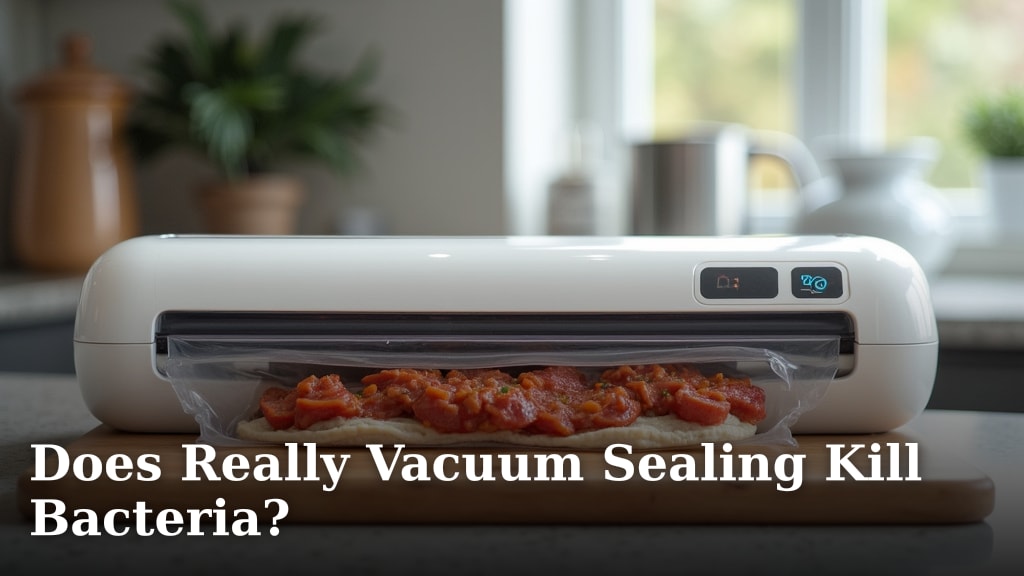
Vacuum sealing is the better fit when reducing air around food is your priority. Freezer bags provide a convenient barrier, but they don't draw air out the way a vacuum sealer does.
Air left around food can contribute to freezer burn over time. Vacuum packaging can reduce that exposure, but it doesn't stop every change in frozen food or make food safe indefinitely.
A freezer bag can still work well for food you'll use soon. Press out extra air before closing, seal the zipper across its full length and avoid leaving loose space around the package.
The gallon Ziploc bag has a specific freezer burn claim: the brand says it helps prevent freezer burn for up to 12 weeks in ground beef. That timeframe applies to ground beef, not every item in your freezer.
How much effort does each method take?
Freezer bags take fewer steps for a single package; vacuum sealing can pay off when you're preparing many portions. Think about the number of packages you make each week, not just the time it takes to seal one.
With a freezer bag, portion the food, press out extra air and close the zipper. A slider closure can make it easier to check that the bag is shut.
Vacuum sealing involves choosing a compatible bag, placing the opening correctly and running the sealer. For coffee, see how to vacuum seal coffee.
A countertop model with automatic bag detection can simplify that process, while a handheld sealer uses a compatible reusable bag.
For recurring batch cooking, these vacuum sealer meal prep ideas can help you plan portions before you start sealing. Planning first also helps you choose the right bag size and avoid packages that are awkward to stack.
Which method is easier to reuse?
Reuse depends on the bag type and what it held. Follow the care instructions, and discard packaging that may carry food safety or allergy risks.
Ziploc says its slider freezer bags can be reused after hand-washing and drying. The brand advises against reusing them after storing raw meat, fish, eggs or foods that may trigger allergies.
Chef Preserve includes reusable vacuum bags that the brand describes as dishwasher safe. Check the bag's cleaning directions before reuse, especially after storing foods that are greasy or difficult to clean.
Vacuum bags may need trimming at the sealed edge, and some styles aren't made for repeat use. Freezer bags are simpler to rinse and dry, but reuse only makes sense when the bag remains clean and intact.
When should you choose vacuum sealing?
Choose vacuum sealing for repeat portions, foods you plan to keep frozen for a while, or packages where reducing air matters. For cheese portions, see vacuum sealing and freezing cheese.
It can also help create compact, stackable portions.
The FoodSaver V4400 has automatic bag detection, built-in roll storage and a cutter for custom bag lengths. Its automatic moisture detection switches to the appropriate mode, and its removable drip tray is dishwasher safe.
For a smaller setup, the Chef Preserve is a rechargeable handheld sealer with 30 reusable bags, split between small and medium sizes. Its portable design may suit meal portions or travel better than a countertop machine.
Vacuum sealing still requires compatible bags and a clean sealing area. Keep liquids and moist food from interfering with the seal by following the machine's instructions for those foods.
If you're sealing prepared dishes, the guide to how to vacuum seal meals for the freezer covers portioning and freezer preparation. For jars and dry meal components, see these mason jar vacuum sealer recipes.
When are freezer bags the better choice?
Choose freezer bags for quick packing, easy access and portions you'll use in the near term. They're especially practical when you don't want to set up a machine for one small package.
Quart bags work for smaller amounts of food, snacks or single portions. Gallon bags hold larger amounts and have a stand-up design that can help while you're filling them.
A bag's size also affects how much empty space surrounds the food. Choose a size that fits the portion without stretching the bag or leaving a large pocket of air.
For a closer look at what freezer bags can and can't do, read do freezer bags prevent freezer burn. The answer depends partly on the seal, the food and how long it stays frozen.
Is vacuum sealing always safer?
No storage package can replace safe handling, prompt chilling and a properly cold freezer. Vacuum sealing changes the package environment, so follow food safety guidance for the type of food you're storing.
Don't leave perishable food at room temperature while preparing a large batch. Divide it into manageable portions, cool it safely and freeze it promptly.
Vacuum sealing doesn't make food shelf-stable. Keep vacuum-packed foods refrigerated or frozen as appropriate, and follow reliable guidance for thawing and cooking.
Sous vide food needs its own handling steps after cooking. See our guide on is sous vide cooking safe and the instructions for sous vide storage after cooking.
How should you choose a bag size?
Match the bag to the portion and leave enough material for a reliable closure. Smaller packages freeze and thaw in convenient portions, while oversized bags can leave extra air around food.
Quart bags suit smaller portions, while gallon bags can hold larger meal components or family portions. A vacuum sealer roll lets you cut a custom length, which can be useful for long or irregular foods.
Flatten suitable foods into an even layer before freezing. Flat packages are easier to stack and can be easier to thaw than bulky shapes.
Label each package with its contents and date before it goes into the freezer. Clear labels help you rotate food and use older portions first.
Which method is right for your kitchen?
Pick a vacuum sealer if you regularly prepare many freezer portions and want to remove more air; pick freezer bags for quick, flexible everyday storage. Your typical batch size and willingness to wash or replace bags should guide the decision.
The FoodSaver V4400 suits repeat batches and custom bag lengths. The Chef Preserve offers a compact handheld option with reusable bags.
Ziploc quart bags suit smaller portions, and the gallon size suits larger packages. Both make sense when ease of filling and closing matters more than pulling air from the package.
For vacuum-sealed portions and freezer bags alike, use a size that fits the food, close each package carefully and keep frozen food at a consistent temperature. Our guide to the benefits of vacuum sealing food and pros and cons of vacuum sealing food can help you weigh the trade-offs.
Frequently asked questions
Does vacuum sealing keep food frozen longer than freezer bags?
Vacuum sealing removes more air from around food, which can help limit exposure that contributes to freezer burn. A well-closed freezer bag can still protect food, but trapped air and loose packaging can reduce protection.
Use either method with steady freezer temperatures and label packages with the date.
Are vacuum sealer bags reusable?
Some vacuum bags are designed for reuse, while others are single-use or need trimming after opening. Chef Preserve includes reusable bags, and FoodSaver's set includes both vacuum and zipper bags.
Follow the care directions for the exact bag, and don't reuse packaging that held raw meat or other foods that pose a cross-contamination risk.
Can you use Ziploc freezer bags with a vacuum sealer?
A standard freezer bag isn't automatically compatible with a vacuum sealer. Use bags made for the machine or its stated compatible accessories, because the bag material and opening need to work with the sealer.
If speed matters more than removing air, close the freezer bag carefully and press out as much air as practical.
Do freezer bags prevent freezer burn?
Freezer bags can help prevent freezer burn when you remove excess air and close the zipper fully. Ziploc says its gallon freezer bags help prevent freezer burn for up to 12 weeks in ground beef.
That claim is specific to ground beef, so don't treat it as a guarantee for every food.
Can you vacuum seal cooked meals for the freezer?
Yes, you can vacuum seal cooked meals once they've been cooled and portioned safely. Keep the food out of the temperature danger zone while it cools, then seal and freeze it promptly.
For meal planning and handling steps, see our guide to vacuum seal meals for the freezer.