How Exactly Thick Are Vacuum Sealer Bags?
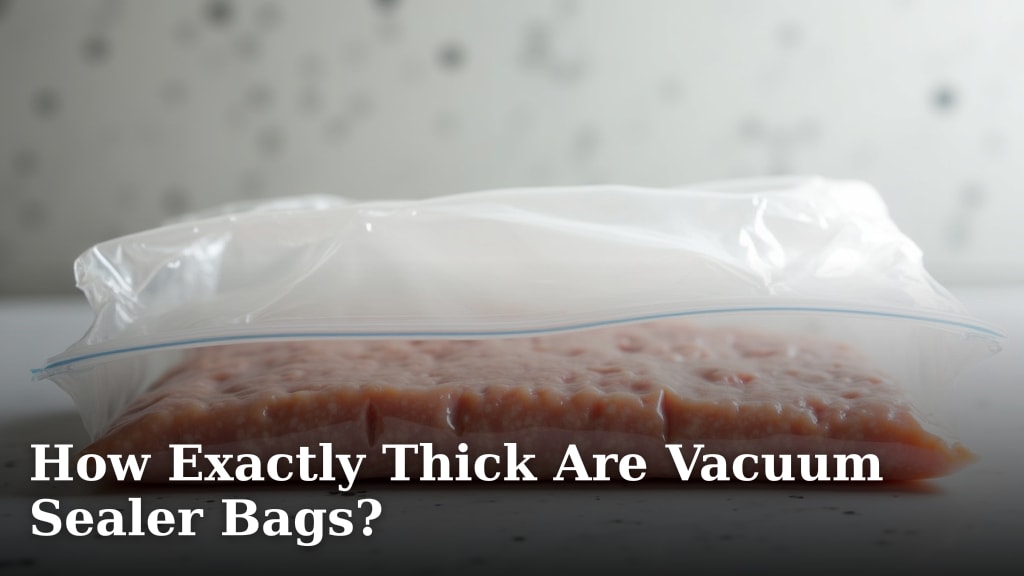
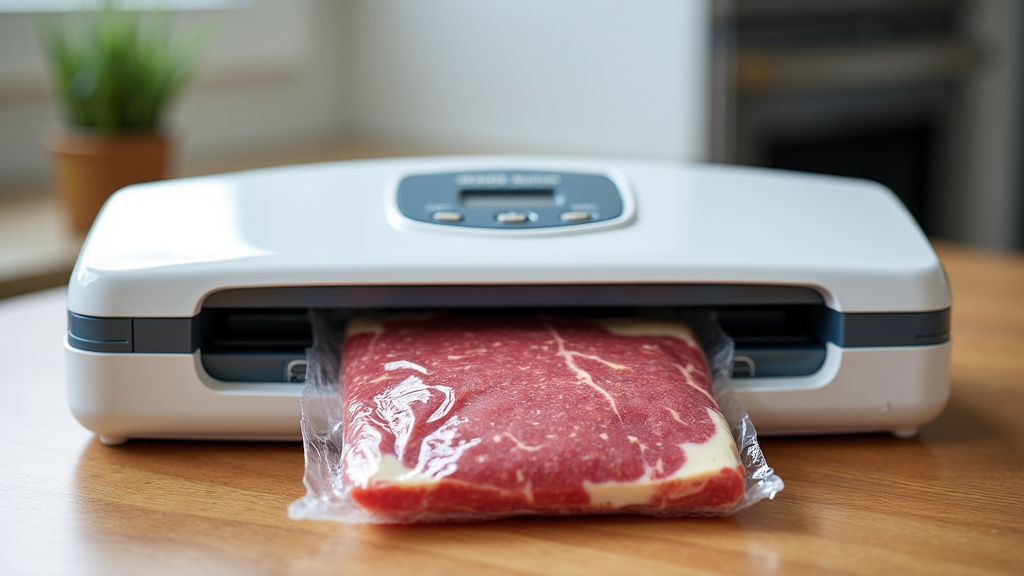
Vacuum sealer bags are typically measured in Understanding how a vacuum sealer works can help you appreciate the importance of bag thickness.mils, a unit of thickness. Most common bags range from 3 to 4 mils thick, offering a good balance of durability and flexibility for everyday use. Thicker bags, around 5-6 mils, provide extra protection for long-term storage or items with sharp edges.
Understanding bag thickness matters for protecting your food and preventing freezer burn. A thicker bag means better protection against punctures and a stronger seal, which is vital for maintaining freshness. We found that going slightly thicker can save you money by reducing spoilage.
- Bag thickness is measured in mils.
- Standard bags are 3-4 mils thick.
- Thicker bags (5-6 mils) offer more protection.
- Thickness impacts durability and seal strength.
- Choose thickness based on what you’re storing.
Let’s break down what those mils really mean for your food storage needs.
Understanding Vacuum Sealer Bag Thickness
You’re probably wondering just how thick those vacuum sealer bags really are. It’s a great question! The thickness of your vacuum sealer bags plays a big role in how well they protect your food. We’ve found that understanding this simple measurement can save your food from spoilage and freezer burn.
What Does “Mil” Mean Anyway?
The thickness of vacuum sealer bags is measured in mils. One mil is equal to one-thousandth of an inch (0.001 inches). So, a 3-mil bag is 0.003 inches thick. It might sound tiny, but this measurement makes a big difference in durability.
Why Mil Matters for Your Food
Think of mils as the armor for your food. The thicker the bag, the more protection it offers. This is especially important when you’re storing items with sharp edges, like bones in meat or hard vegetables. A thinner bag might get punctured easily, ruining the seal and exposing your food to air. We found that even a small increase in thickness can prevent costly spoilage.
Standard Bag Thickness: The Everyday Workhorse
For most home cooks and everyday storage needs, bags ranging from 3 to 4 mils are your go-to. They offer a fantastic balance between being tough enough for most tasks and flexible enough to work well with your vacuum sealer machine.
3 Mil Bags: Good for Most Things
A 3-mil bag is generally sufficient for storing fruits, vegetables, and lighter meats for shorter periods. They seal well and keep air out effectively. Many experts suggest that for items without sharp points, 3 mils provides adequate protection for typical refrigerator and freezer storage (USDA guidelines on food storage recommend airtight packaging).
4 Mil Bags: A Little Extra Peace of Mind
Stepping up to a 4-mil bag gives you that extra bit of confidence. It’s still flexible, but it’s noticeably more resistant to punctures than a 3-mil bag. If you’re sealing items like chicken breasts with small bones or even just want to ensure longer-term freezer storage, 4 mils is a smart choice.
Thicker Bags: When You Need Serious Protection
Sometimes, you need more than just everyday protection. That’s where thicker bags come in. These are for situations where durability and maximum puncture resistance are key.
5 Mil Bags: The Durable Choice
When you encounter items with sharp edges or want to store food for extended periods, 5-mil bags are your best friend. We found that these bags stand up exceptionally well to potential damage. Think about freezing a whole fish or game meat – a 5-mil bag can handle it.
6 Mil Bags (and Beyond): For Heavy-Duty Needs
While less common for home use, bags of 6 mils or even thicker are available. These are often used in commercial settings or for extreme long-term storage. They offer the absolute best defense against punctures and tears. If you’re an avid hunter or fisherman storing large quantities of meat, these might be worth considering.
Comparing Bag Thickness: A Quick Look
It can be helpful to visualize the differences. Here’s a simple comparison of common bag thicknesses:
| Bag Thickness (Mils) | Best For | Durability |
|---|---|---|
| 3 Mil | Fruits, vegetables, everyday items, short-term storage | Good |
| 4 Mil | Meats with small bones, longer freezer storage, general use | Very Good |
| 5 Mil | Items with sharp edges, game, long-term freezer storage | Excellent |
| 6+ Mil | Commercial use, extreme long-term storage, heavy-duty needs | Exceptional |
How to Choose the Right Thickness for Your Needs
So, how do you decide which thickness is best for you? It really comes down to what you plan to store and for how long.
- For everyday leftovers and produce: 3-mil bags are usually perfectly fine.
- For raw meats, poultry, or fish you’ll freeze soon: 4-mil bags offer a good balance of protection and ease of use.
- For items with bones (like ribs or chicken wings) or long-term freezer storage: We highly recommend 5-mil bags to prevent punctures.
- For very sharp items or storing food for years: Consider 6-mil bags or thicker.
Many food safety guidelines emphasize the importance of preventing air from reaching food to maintain quality and prevent spoilage (FDA Food Code). A strong, intact seal, aided by the right bag thickness, is key to achieving this.
Bag Material and Texture: Other Factors to Consider
While thickness is crucial, remember that bag material and texture also play a part. Most vacuum sealer bags are made from a type of plastic called polyethylene. Some bags have a textured side (often called embossed or dimpled) which helps air escape more easily during the vacuum sealing process.
The Role of Embossing
Embossed bags can work with a wider range of vacuum sealers, especially suction-style machines. The texture helps create channels for air to be pulled out. However, smooth bags are often preferred for commercial sous vide cooking because they offer a clearer view of the food. For general storage, the texture doesn’t significantly impact the thickness’s protective qualities but can affect the sealing process itself.
A Quick Checklist for Picking Your Bags
Ready to make a choice? Keep these points in mind:
- What kind of food are you storing?
- Does it have sharp edges or bones?
- How long do you plan to store it?
- Will it be in the fridge or freezer?
- Is your sealer a suction or chamber type?
- Do you prefer textured or smooth bags?
By considering these factors, you can confidently select the vacuum sealer bags that will best protect your food. We found that taking a moment to choose the right thickness can prevent a lot of frustration down the line.
Conclusion
You’ve learned that vacuum sealer bag thickness, measured in mils, directly impacts food protection. Standard 3-4 mil bags work well for most everyday items. For food with sharp edges or long-term freezer storage, upgrading to 5-6 mil bags is a smart move. This simple choice helps prevent punctures and freezer burn, saving you money and reducing waste. Before you buy, consider what you’re storing and how long you’ll keep it. Taking this step ensures your food stays fresher for longer.
Frequently Asked Questions
Can I use thinner bags if I’m only storing something for a week?
For very short-term storage, like a week in the refrigerator, a 3-mil bag is often sufficient for non-sharp items. However, we’ve found that even for short periods, a slightly thicker bag provides an extra layer of security against accidental punctures. It’s a small upgrade that can prevent spoilage.
Will thicker vacuum sealer bags affect the seal quality?
Generally, thicker bags (up to 6 mils) should not negatively affect the seal quality on most standard home vacuum sealers. Some textured or embossed bags are designed to work better with suction sealers, helping air escape effectively regardless of thickness. Always check your sealer’s manual for recommendations.
Are thicker bags harder to store?
Thicker bags are slightly less flexible than thinner ones, but they don’t typically pose a storage problem. You can usually roll or stack them just as you would thinner bags. The primary difference you’ll notice is their increased rigidity and durability.
Can I reuse vacuum sealer bags?
For food safety, it’s generally not recommended to reuse vacuum sealer bags, especially if they were used for raw meats or poultry. While some thicker, smooth bags can be cleaned and reused for non-food items or dry goods, we advise against it for general food storage to maintain the highest safety standards.
What’s the difference between textured and smooth bags in terms of thickness?
The texture of a bag, whether it’s dimpled or smooth, doesn’t inherently change its thickness measurement in mils. However, textured bags often have a slightly thicker overall construction to accommodate the embossing. The texture primarily affects how air is removed during the sealing process, not the mil measurement itself.