Chamber vs Suction Vacuum Sealer: What to Know
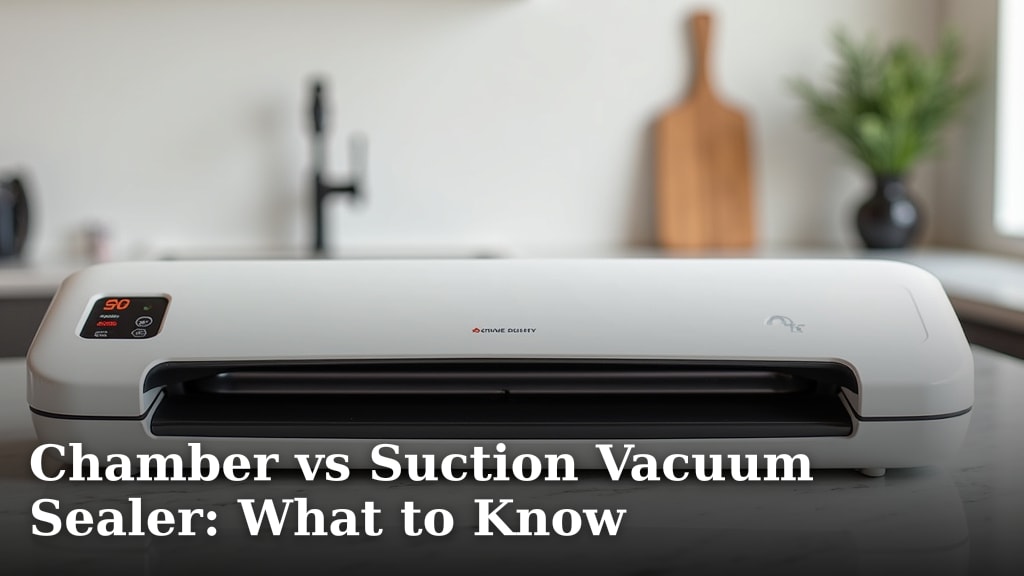
When deciding between a chamber vacuum sealer and a suction vacuum sealer, the main difference comes down to the type of bags you can use and the level of seal quality. Chamber sealers are generally better for liquids and offer a more consistent, professional seal, while suction sealers are more compact and affordable for dry goods.
You might be wondering which one is right for your kitchen. We’ve researched both to help you understand their strengths. A chamber sealer works by creating a vacuum inside its chamber, then sealing the bag. A suction sealer pulls air directly from the bag before sealing it. Knowing this will help you make the best choice for your needs and budget. This guide details how a vacuum sealer works step by step.
- Chamber sealers are great for liquids and offer a perfect seal.
- Suction sealers are more compact and budget-friendly for dry foods.
- Chamber sealers have a higher upfront cost.
- Suction sealers use textured bags to create a seal.
- Consider what you’ll be sealing most often.
Let’s dive into what makes each type unique and which one might be your perfect kitchen companion.
Understanding Vacuum Sealer Types for Your Kitchen
Deciding between a chamber vacuum sealer and a suction vacuum sealer can feel like a big choice. We’ve researched both to help you figure out which one fits your kitchen best. The main difference lies in how they work and the types of bags they use. This guide will break it all down so you can make a smart decision. Learn more about how a vacuum sealer works to preserve your food.
How Suction Vacuum Sealers Work
Suction vacuum sealers are the most common type found in home kitchens. They work by pulling air directly out of a special textured bag. Then, a heat bar seals the open end of the bag. Think of it like giving your food a tight hug to keep it fresh.
The Bagging Process
You’ll need to use specific textured bags with a suction sealer. These little ridges on the bag are what allow the machine to suck the air out. You place your food inside, position the bag over the sealing strip, close the lid, and press a button. The machine does the rest.
Pros of Suction Sealers
Suction sealers are usually more affordable to buy upfront. They also tend to be smaller, so they don’t take up much counter or cabinet space. If you’re mostly sealing dry goods like grains, nuts, or jerky, a suction sealer is a great choice. They are also very easy to learn how to use, making them a good entry point into vacuum sealing.
Cons of Suction Sealers
The biggest limitation of suction sealers is their struggle with moist or liquid foods. Trying to seal soup or marinades can get messy. The machine might suck up some liquid, damaging the seal or the machine itself. You also have to buy special, often more expensive, textured bags.
How Chamber Vacuum Sealers Work
Chamber vacuum sealers work a bit differently. Instead of pulling air from just the bag, they create a vacuum inside the entire machine’s chamber. The bag sits inside this chamber, and when the vacuum is created, air is pulled out of the bag. Then, the machine seals the bag within that vacuum environment.
The Bagging Process
A major advantage of chamber sealers is that you can use plain, smooth bags. These are typically less expensive than textured bags. You place your food in the smooth bag, put the open end of the bag inside the chamber, close the lid, and the machine seals it. It’s a very clean process.
Pros of Chamber Sealers
Chamber sealers excel at sealing liquids and moist foods. Because the vacuum is created in the chamber, not directly from the bag, you don’t have to worry about liquids being sucked into the machine. This makes them ideal for sealing soups, stews, marinades, or even just very juicy fruits and vegetables. The seal quality is often more consistent and professional-looking, too.
Cons of Chamber Sealers
The main drawback of chamber sealers is their higher upfront cost. They are a bigger investment than most suction sealers. They also tend to be larger and heavier, taking up more space in your kitchen. For everyday tasks with dry goods, they might be overkill.
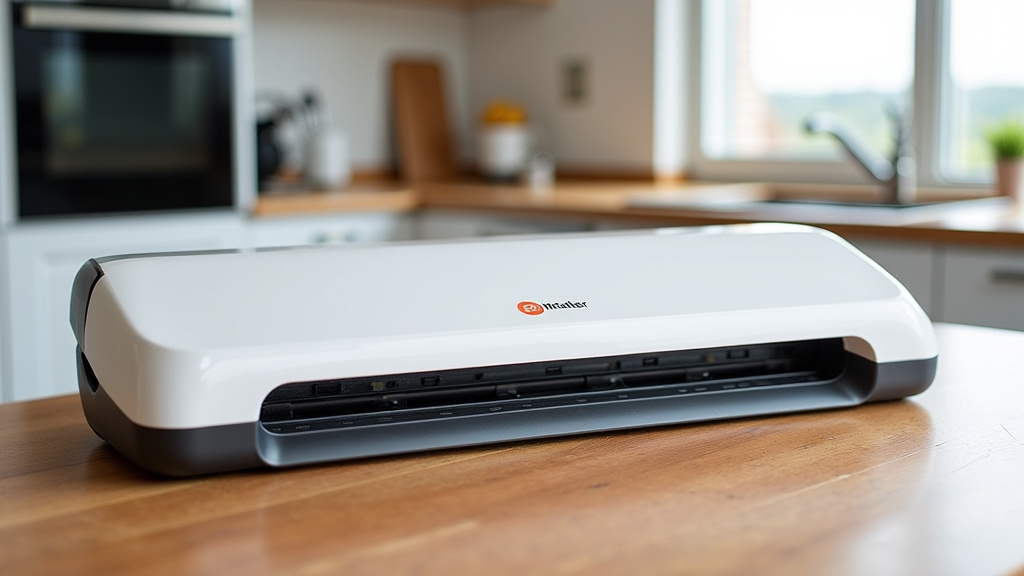
Comparing Key Features: Chamber vs. Suction
Let’s look at how these two types stack up against each other in a few key areas. Understanding these differences will help you pinpoint which one is best for your specific needs.
| Feature | Suction Sealer | Chamber Sealer |
|---|---|---|
| Bag Type | Textured bags required | Smooth bags usable |
| Liquid Sealing | Difficult, often messy | Excellent, no problem |
| Seal Quality | Good for dry goods | Consistent, professional |
| Upfront Cost | Lower | Higher |
| Size | Compact | Larger, heavier |
| Best For | Dry goods, snacks, general use | Soups, marinades, bulk buying, professional use |
Bag Costs and Variety
With suction sealers, you’re tied to using special textured bags. While these are widely available, they can add up over time. Many experts note that the texture is essential for the machine to create a seal (National Center for Home Food Preservation). Chamber sealers let you use simpler, often cheaper, smooth bags. This can lead to savings in the long run, especially if you seal a lot of food.
Sealing Liquids and Marinating
If you plan on preserving homemade broths, sauces, or even just marinating meats, a chamber sealer is the way to go. The ability to create a vacuum without pulling food particles into the sealing mechanism is a huge advantage. Many sources recommend chamber models for any serious liquid preservation (University of Wisconsin Extension). Suction sealers can sometimes manage a quick seal on slightly moist items if you’re very careful, but it’s not their strong suit.
Durability and Seal Strength
Chamber sealers often provide a stronger, more reliable seal. This is because the bag is sealed under a full vacuum. This type of seal is less likely to fail, which is important for long-term storage. Suction sealers are good, but the seal can sometimes be less robust, especially with foods that have sharp edges or uneven surfaces.
Which Sealer is Right for You?
To figure out the best fit for your kitchen, ask yourself a few simple questions. Your answers will quickly point you toward the right type of vacuum sealer.
- What types of food will you be sealing most often?
- What is your budget for a vacuum sealer and ongoing supplies?
- How much kitchen space do you have available?
- Do you plan to seal liquids or very moist foods regularly?
Consider Your Everyday Needs
If your main goal is to keep snacks fresh, portion out dry goods like rice or beans, or seal jerky, a suction vacuum sealer is likely your best bet. They are affordable, easy to use, and take up minimal space. You’ll get great results for these common tasks without breaking the bank.
Consider Your Bulk Buying and Meal Prep Goals
If you’re a big shopper who buys in bulk, love to prep meals for the week, or want to preserve soups and stews, a chamber vacuum sealer might be worth the investment. Its ability to handle liquids and create a consistent seal makes it ideal for more advanced food storage needs. Many home chefs and serious cooks find the benefits outweigh the higher cost.
A Quick Checklist for Your Decision
Here’s a quick way to see where you stand:
- Dry Goods Guru? A suction sealer is probably fine.
- Soup Lover? A chamber sealer is your best friend.
- Budget Watcher? Start with a suction model.
- Space Saver? Suction sealers are smaller.
- Pro-Level Seals? Chamber models offer that.
- Investing for the Long Haul? Consider a chamber sealer’s durability.
Conclusion
After looking at both chamber and suction vacuum sealers, you can see they each have their place. Your choice really depends on what you plan to seal most often and your budget. If you’re mostly dealing with dry goods and want an affordable, space-saving option, a suction sealer is a great starting point. For those who frequently seal liquids, prepare meals in bulk, or want the most consistent seal possible, the investment in a chamber sealer pays off. Think about your kitchen habits and decide which machine will best help you preserve your food and save money in the long run.
Frequently Asked Questions
Can I use regular food storage bags with a suction sealer?
No, you cannot use regular smooth food storage bags with a suction sealer. These machines require special textured bags with ridges. The texture is what allows the machine to create a vacuum and pull air out effectively before sealing.
Are chamber vacuum sealers noisy?
Chamber vacuum sealers can be a bit louder than suction sealers when they are creating the vacuum. The sound comes from the pump working to remove air from the chamber. However, most models are designed for home kitchens and aren’t excessively noisy.
How long do vacuum-sealed foods last compared to other methods?
Vacuum sealing can significantly extend the shelf life of your food compared to traditional methods like Ziploc bags or plastic wrap. Depending on the food and storage conditions, vacuum-sealed items can last 3-5 times longer in the refrigerator or freezer.
Is a chamber sealer worth the higher cost for a home cook?
A chamber sealer is worth the higher cost if you regularly seal liquids, buy in bulk, or want the most professional-grade seal for long-term storage. For basic preservation of dry goods, a suction sealer is often sufficient and more budget-friendly.
Can I vacuum seal soft items like bread or delicate baked goods?
Yes, you can vacuum seal soft items, but you need to be careful. With a suction sealer, you might crush the item. A chamber sealer is generally better for delicate items because you can control the vacuum level, or you can pre-freeze items like bread for a few hours before sealing.