What Exactly Is a Handheld Suction Sealer?
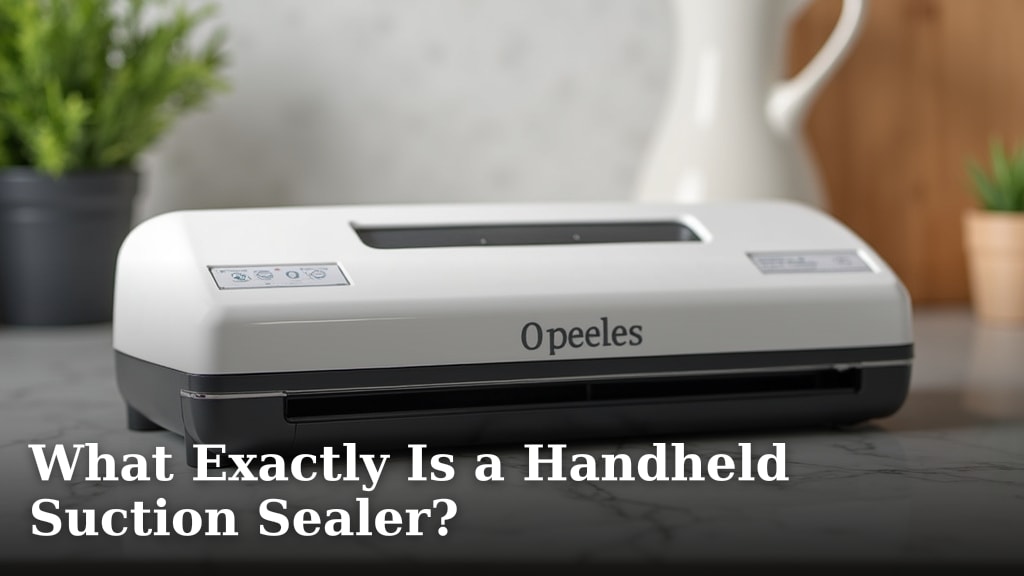
A handheld suction sealer is a compact, battery-powered device designed to remove air from specially designed bags or containers. This process, often called vacuum sealing, helps to preserve food for longer periods and can also be useful for storing non-food items. Think of it as a portable, simplified version of a larger kitchen vacuum sealer.
These small sealers are popular for their ease of use and portability. They are a great option for people who have limited kitchen space or want a convenient way to seal individual portions of food. Many users find them helpful for meal prepping or reducing food waste by keeping items fresher in the refrigerator or freezer. They work by creating a strong vacuum seal.
- What it is: A portable vacuum sealer.
- What it does: Removes air from bags and containers.
- Why use it: Preserves food, saves space.
- Key benefit: Keeps food fresh longer.
- Convenience: Small, easy to store and use.
Ready to learn more about how these handy gadgets work and if one is right for your needs? Let’s dive in and see what makes a handheld suction sealer tick.
Understanding Your Handheld Suction Sealer
So, you’re curious about these compact gadgets that promise to keep your food fresh longer? A handheld suction sealer is essentially a small, battery-operated tool. Its main job is to pull air out of special vacuum seal bags. This action creates a tight seal, preventing air from getting back in. Think of it as a miniature version of a countertop vacuum sealer, designed for convenience and portability.
How Does a Handheld Suction Sealer Actually Work?
The magic behind these devices is quite straightforward. You place your food item inside a compatible vacuum seal bag. Then, you position the nozzle of the handheld sealer over the special valve on the bag. When you turn the device on, it creates a vacuum. This suction power draws the air out of the bag.
Once most of the air is gone, the bag collapses around the food. Many models automatically stop when they detect a good seal. Some might require you to press a button to stop it. The goal is to remove as much oxygen as possible. Oxygen is what causes food to spoil and can lead to freezer burn. By removing it, you’re significantly slowing down the spoilage process.
The Suction Process Explained
The “suction” part is key. The device uses a small motor and pump to create negative pressure. This pulls the air from the inside of the bag to the outside. It’s similar to how a straw works, but in reverse. Instead of pushing air out of your mouth, the machine pulls air out of the bag.
The effectiveness of the seal depends on a few things. You need the right kind of bag with a one-way valve. The device needs enough battery power to create a strong vacuum. And, of course, you need to position the sealer correctly over the valve.
What Makes Them Different from Larger Vacuum Sealers?
The most obvious difference is size. Handheld sealers are tiny and lightweight. You can easily store them in a drawer or take them with you. Larger, more traditional vacuum sealers are countertop appliances. They often have more powerful suction and can seal a wider variety of materials.
Another difference is the sealing method. Many countertop models not only vacuum the air but also use heat to seal the bag. Handheld suction sealers typically rely solely on the suction mechanism and the design of the special bags to maintain the seal. They work with pre-made bags that have a built-in valve, rather than needing to create custom-sized bags from rolls.
The Benefits of Using a Handheld Suction Sealer
Why would you choose a small, handheld gadget over a more robust machine? The advantages often come down to convenience and specific use cases. They are perfect for individuals or smaller households who don’t need to seal large quantities of food regularly.
Extended Food Freshness
This is the big one for most users. By removing air, you dramatically slow down oxidation and bacterial growth. Research shows that vacuum sealing can extend the shelf life of many foods by up to five times longer than traditional storage methods (National Center for Home Food Preservation).
Think about those berries you bought that always go bad too quickly. Or that half-used bag of chips. A handheld sealer can help you keep them fresh for days, sometimes even weeks, longer. This means less food waste and more money saved. It’s a win-win for your wallet and your pantry.
Space-Saving Storage
Vacuum-sealed items take up less space. Because the air is removed, bags become more compact. This is especially helpful in the refrigerator and freezer. You can stack sealed bags neatly, maximizing your storage capacity. It’s like playing Tetris with your groceries, but much easier!
This compact nature also makes them ideal for meal prepping. You can seal individual portions of pre-cooked meals. They then fit easily into your lunch bag or a busy weeknight’s dinner rotation. No more bulky containers taking up precious shelf space.
Portability and Ease of Use
As the name suggests, these are handheld. This means you can use them anywhere. If you’re camping and want to seal leftovers, you can. If you’re traveling and want to keep snacks fresh, you can. They are battery-powered and don’t need an outlet.
Using them is generally very simple. Most people figure them out within minutes. You don’t need to be a kitchen whiz to operate one. Just place the bag, attach the sealer, and press a button. It’s that easy.
Who Can Benefit from a Handheld Suction Sealer?
These versatile little devices aren’t just for serious foodies. Many different types of people can find them incredibly useful. Let’s look at who might get the most out of one.
The Busy Meal Prepper
If you spend your Sunday prepping meals for the week, a handheld sealer is a dream. You can portion out salads, grains, and proteins. Sealing them individually means they stay fresh and ready to grab. It saves time during the week and ensures you’re eating healthy, homemade food.
The Smart Shopper
Bought in bulk to save money? Or perhaps you found a great deal on something that spoils quickly. A handheld sealer allows you to divide bulk purchases into smaller, manageable portions. You can then seal and freeze or refrigerate them, ensuring you use everything before it goes bad.
The Space-Conscious Dweller
Living in a small apartment or dorm? Every inch of space counts. Handheld sealers and their associated bags are compact. They help you organize your fridge and freezer more efficiently. You can fit more food in the same amount of space, reducing the need for frequent grocery runs.
The Traveler or Camper
For those who love the outdoors or travel frequently, portability is key. Keeping snacks fresh or sealing up leftovers from a restaurant can be a challenge. A handheld sealer and a few bags can keep your food safe and fresh on the go, without taking up much room in your luggage.
What Kind of Bags Do You Need?
It’s important to know that handheld suction sealers don’t work with just any plastic bag. They require specially designed vacuum seal bags. These bags have a specific type of valve built into them. This valve is where the handheld sealer attaches to draw out the air.
These bags are often reusable, adding to their value. You can usually find them online or in kitchen supply stores. Always check the packaging to ensure the bags are compatible with suction-style sealers. Standard zip-top bags won’t work because they lack the necessary valve system.
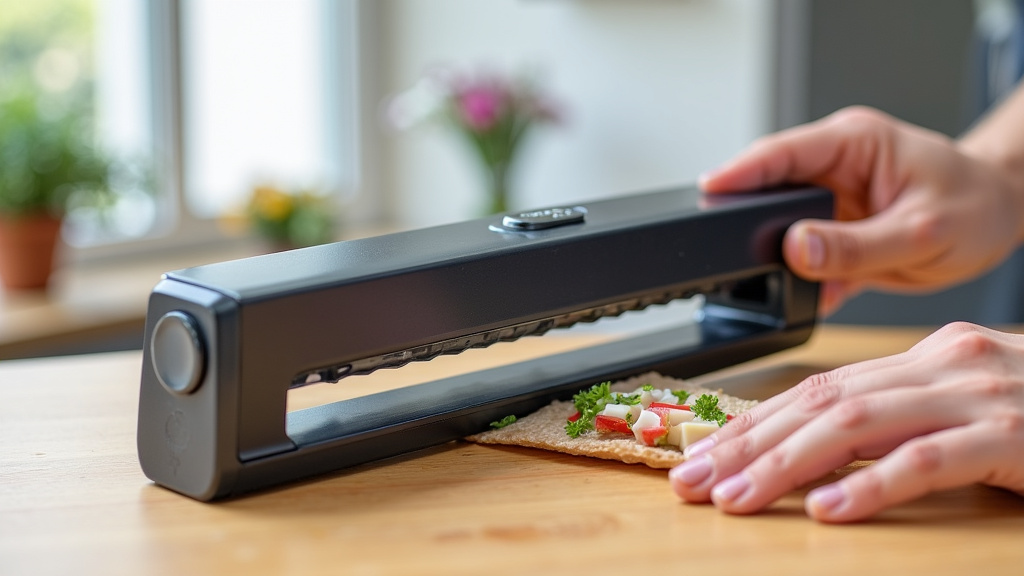
Key Features to Look For
When you’re browsing for a handheld suction sealer, a few things stand out. Thinking about these can help you find the best one for your needs. It’s not just about the suction power. It’s about the whole package.
Battery Life and Power Source
Most handheld sealers run on batteries, usually AA or AAA. Some are rechargeable via USB. Consider how often you plan to use it. If it’s daily, a rechargeable option might be more convenient and cost-effective. A long battery life means fewer interruptions.
Ease of Cleaning
Accidents happen, especially in the kitchen. You’ll want a sealer that’s easy to wipe down or clean. Some models have removable parts that can be rinsed. Check reviews to see if users find them simple to maintain. A clean device is a happy, functioning device.
Included Accessories
Does the sealer come with starter bags? Are there different nozzle sizes? Some packages might include bonus items. These can add extra value and get you started right away. It’s nice when everything you need is in the box.
Bag Compatibility
As mentioned, you need specific bags. Some sealers work with a particular brand of bags. Others are more universal. If you don’t want to be tied to one brand, look for a sealer that works with a wide range of vacuum seal bags. This gives you more options.
Here’s a quick checklist to help you remember what to look for:
- Is it battery-powered or rechargeable?
- Does it come with starter bags?
- How easy is it to clean?
- Are the bags widely available or specific to the brand?
- Does it feel comfortable to hold and operate?
- What is the manufacturer’s warranty like?
Common Uses Beyond Food Preservation
While keeping food fresh is the primary reason people buy these sealers, they have other clever uses too. Think outside the food box!
Protecting Important Documents
Need to protect important papers, like birth certificates or passports, from moisture or damage? You can use a vacuum seal bag and a handheld sealer to create a protective barrier. This is especially useful if you travel often or live in a humid environment.
Organizing Travel Items
Packing for a trip can be a challenge. Handheld sealers can help. You can seal clothing, toiletries, or electronics in bags to keep them dry and organized. It also helps to compress bulky items like sweaters, saving precious suitcase space.
Keeping Craft Supplies Fresh
Many craft supplies, like glues, paints, or even certain types of paper, can dry out or become damaged by moisture. Sealing them in vacuum bags can extend their lifespan. This is great for serious crafters who might not use supplies up quickly.
Conclusion
You’ve learned that a handheld suction sealer is a compact, battery-powered tool that removes air from special bags to keep items fresh. It’s a simple yet effective way to extend food life, save space, and reduce waste. Whether you’re meal prepping, packing lunches, or organizing your travel gear, this handy gadget offers convenience without taking up much kitchen real estate. If you’re looking for an easy solution to preserve your food and belongings, consider adding a handheld suction sealer to your toolkit. Ready to try one? Look for models with good battery life and bag compatibility to get started.
Frequently Asked Questions
How long does food typically stay fresh when using a handheld suction sealer?
Research indicates that vacuum sealing can extend the shelf life of many foods up to five times longer than traditional storage methods. This means items like berries could last weeks instead of days, and prepped meals can stay fresh in the fridge for much longer periods. Always check your specific food item’s recommended storage to gauge the full benefit.
Can I use any kind of plastic bag with a handheld suction sealer?
No, you cannot use just any plastic bag. Handheld suction sealers require specially designed vacuum seal bags that have a built-in one-way valve. The sealer’s nozzle attaches to this valve to effectively draw out the air and create the seal.
Are handheld suction sealers powerful enough for heavy-duty use?
Handheld suction sealers are designed for convenience and portability, not heavy-duty commercial use. They are excellent for individual portions, snacks, and smaller households. For sealing large quantities of food regularly or for commercial purposes, a countertop vacuum sealer might be more suitable.
How do I clean a handheld suction sealer?
Cleaning is usually straightforward. Most models can be wiped down with a damp cloth. Some may have removable parts that can be rinsed under water. It’s best to check the manufacturer’s instructions for your specific model to ensure you clean it properly and safely.
What’s the main difference between a handheld sealer and a countertop model?
The main differences are size, power, and sealing method. Handheld sealers are small, battery-powered, and rely solely on suction with special valved bags. Countertop models are larger appliances, often more powerful, and typically use both suction and heat to seal bags, which can also be made from rolls.