What Exactly Is a Suction Vacuum Sealer?
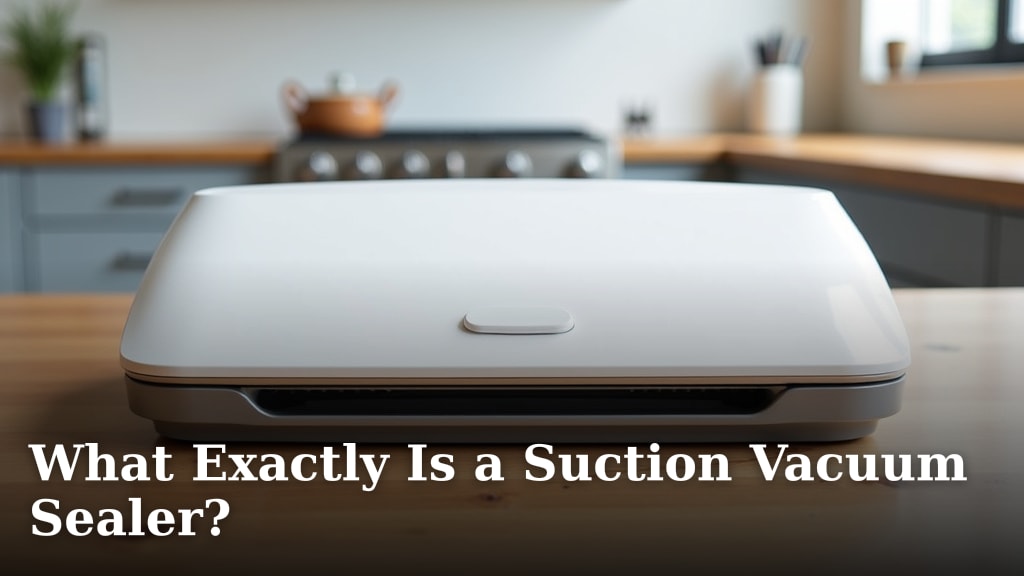
A suction vacuum sealer is a kitchen appliance that removes air from specially designed plastic bags before sealing them shut. This process, often called vacuum sealing, extends the shelf life of food by preventing spoilage. They are a popular choice for home cooks looking to preserve meals and ingredients.
These sealers work by pulling air out of the bag using a suction method, creating an airtight seal that locks freshness in. This is different from chamber vacuum sealers, which are generally larger and more expensive. Understanding how a suction vacuum sealer functions can help you make the most of its food-saving capabilities and reduce food waste.
- Suction vacuum sealers remove air from bags.
- This preserves food and extends freshness.
- They are common and easy for home use.
- The process locks flavor in and spoilage out.
Let’s walk through exactly what a suction vacuum sealer is and how it can benefit your kitchen.
Understanding Your Suction Vacuum Sealer
So, what exactly is a suction vacuum sealer? Think of it as a kitchen superhero for your food. It’s a handy appliance designed to suck the air out of a special plastic bag. Then, it seals that bag shut, creating an airtight environment. This process is often called vacuum sealing.
Why is removing air so important? Because air is the enemy of freshness. It contains oxygen, which speeds up spoilage and can make food go stale or develop off-flavors. By removing the air, you create a barrier that slows down this decay. It’s like putting your food in a protective bubble.
Suction vacuum sealers are different from the bulky, professional-grade chamber vacuum sealers you might see in butcher shops. They are generally smaller, more affordable, and designed for everyday home use. They work by drawing air out of the bag and then heat-sealing the edges to lock that freshness in. We found that most home cooks find them very easy to learn and use.
How the Suction Mechanism Works
The heart of a suction vacuum sealer is its suction pump. When you place an open bag into the machine and close the lid, the pump activates. It pulls air from inside the bag through a port. This is similar to how a vacuum cleaner works, but on a much smaller, controlled scale.
As the air is drawn out, the bag collapses around the contents. This creates a vacuum, or a low-pressure environment. Once the machine detects a sufficient vacuum has been achieved, it moves on to the sealing phase. A heated bar presses down on the bag’s edges.
This heat melts and fuses the plastic together, creating a strong, airtight seal. This seal is critical. It prevents air from getting back into the bag. Without this airtight seal, the vacuuming process would be pointless. Many studies have shown that airtight packaging is key to food preservation (NCBI).
The Role of Special Bags
You can’t just use any old plastic bag with a suction vacuum sealer. These machines rely on specially designed bags or rolls. These are usually made of a multi-layer plastic that is durable and can withstand the heat from the sealing bar. They are also textured on one side, often with small ridges or a diamond pattern.
This texture is not just for looks. Those little ridges create channels that allow the air to be effectively sucked out of the bag. Think of them like tiny pathways for the air to escape. Without these channels, the air might get trapped in pockets, and you wouldn’t achieve a proper vacuum. Many manufacturers recommend using their brand of bags, but generic textured bags often work just as well.
You can buy these bags in pre-cut sizes or as a roll. Rolls offer more flexibility. You can cut the roll to the exact length you need for your food item. This helps minimize bag waste and ensures a snug fit every time. We found that using rolls gives you a lot of control over the packaging size.
Key Benefits of Using a Suction Vacuum Sealer
Why bother with a vacuum sealer? The benefits can really add up in your kitchen. The most obvious advantage is extending food freshness. When you remove air, you dramatically slow down the growth of bacteria and mold. This means your food lasts much longer in the refrigerator or freezer.
For instance, meats and cheeses can last two to three times longer when vacuum-sealed and refrigerated. Fruits and vegetables can stay fresh for much longer periods too. This isn’t just about convenience; it’s about reducing food waste. Food waste is a significant environmental and financial issue for households everywhere.
Beyond just extending freshness, vacuum sealing also locks in flavor and nutrients. Think about freezer burn. It happens when air gets to food in the freezer, causing ice crystals to form and damaging the texture and taste. A good vacuum seal prevents this entirely. Your food comes out tasting like it did when you put it in.
Preserving Ingredients and Leftovers
One of the most practical uses is for storing leftover meals. Did you make too much spaghetti? Seal it up for a quick and easy lunch later. Are you portioning out bulk purchases of meat? Vacuum sealing them means you can pull out just what you need for a single meal without the rest thawing. This saves time and reduces the chance of food spoiling before you can use it.
It’s also fantastic for marinating foods. Because the bag is tightly sealed, marinades can penetrate the food more effectively. We found that marinating time can often be cut in half for similar results. This means more flavor in less time, which is always a win in a busy kitchen.
Protecting Non-Food Items
While primarily a food preservation tool, a suction vacuum sealer can also be used for non-food items. Think about storing important documents, sentimental photos, or even camping gear. Sealing these items in bags can protect them from moisture, pests, and general wear and tear. It’s a surprisingly versatile gadget!
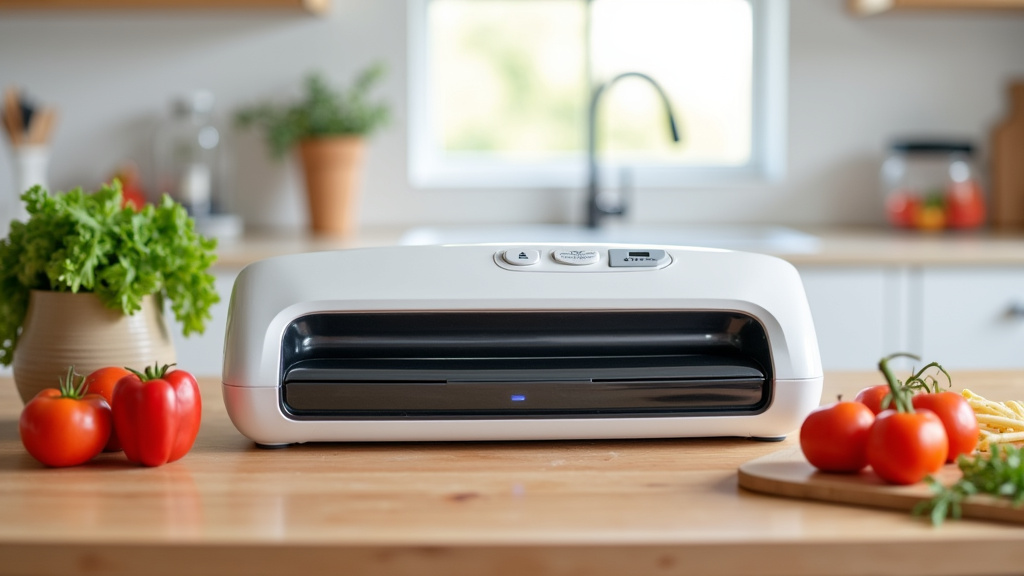
Suction Vacuum Sealers vs. Other Types
It’s helpful to know how suction sealers compare to other models. The most common comparison is with chamber vacuum sealers. As we mentioned, suction sealers are generally smaller and more affordable. They work well for most home kitchen needs.
Chamber vacuum sealers, on the other hand, are typically larger and more expensive. They work differently. Instead of just pulling air out of the bag, the entire chamber where the bag sits is pressurized. This allows them to create a more consistent and powerful vacuum, especially with moist foods or liquids. They are often preferred by serious cooks or those who seal liquids frequently.
Another type you might encounter are handheld vacuum sealers. These are very compact and use special zipper-lock bags with a one-way valve. You attach the sealer to the valve and press a button to suck the air out. They are great for very small portions or for taking food on the go, but they don’t achieve as strong a vacuum as countertop models. They are less robust for everyday, heavy use.
| Feature | Suction Vacuum Sealer | Chamber Vacuum Sealer | Handheld Vacuum Sealer |
|---|---|---|---|
| Size | Countertop, compact | Large, bulky | Small, portable |
| Price | Affordable | Expensive | Inexpensive |
| Best For | General home use, dry goods, moderate moisture | Frequent use, liquids, large batches | Small portions, on-the-go, light use |
| Vacuum Strength | Good | Excellent | Moderate |
For most people just starting out or looking to improve food storage at home, a suction vacuum sealer offers the best balance of performance, price, and ease of use. We found it’s the most common and practical choice for the average kitchen.
Making the Most of Your Suction Vacuum Sealer
To get the best results, there are a few simple tips to keep in mind. Make sure your food is cool before sealing. Sealing warm food can cause condensation inside the bag, which might interfere with the seal. Also, leave a little extra space at the top of the bag, about two to three inches.
This space is crucial for ensuring a good seal. It gives the machine enough room to properly close and heat the edges without the food getting in the way. If you’re sealing very moist foods like soups or stews, you might want to freeze them slightly in a container first. This helps them hold their shape and prevents liquid from getting into the sealing area.
Always check the seal after the machine is done. You should see a clean, solid line where the bag was sealed. If you see any wrinkles or gaps, it’s a good idea to re-seal the bag. A faulty seal means air can still get in, defeating the purpose. Many experts recommend a double seal for extra security, especially for long-term freezer storage (USDA).
Simple Steps for Success
Here’s a quick checklist to help you get started:
- Use the correct textured bags or rolls.
- Leave enough space at the top of the bag.
- Ensure food is cool before sealing.
- Check the seal for any imperfections.
- Consider freezing moist foods briefly.
- Re-seal if the first attempt looks questionable.
Following these simple guidelines will help you achieve effective seals every time. This means fresher food, less waste, and more money saved in the long run.
Conclusion
You’ve learned that a suction vacuum sealer is a straightforward yet powerful kitchen tool. It works by removing air from special bags, creating an airtight seal to keep your food fresh for longer. This simple process helps you reduce food waste, save money, and preserve the flavor and nutrients of your ingredients and leftovers.
Whether you’re preserving fresh produce, portioning bulk buys, or even protecting non-food items, this appliance can be a real asset. If you’re looking to make your food last and your kitchen more efficient, consider adding a suction vacuum sealer to your setup. Start by looking for a model that fits your needs and budget, and you’ll be on your way to fresher food.
Frequently Asked Questions
Do I really need special bags for a suction vacuum sealer?
Yes, you do. Suction vacuum sealers require specially textured bags or rolls. The texture creates channels that allow air to be efficiently drawn out, enabling a strong vacuum seal. Regular plastic bags don’t have these channels and won’t work properly with the machine.
Can I vacuum seal liquids with a suction vacuum sealer?
It’s generally not recommended to vacuum seal liquids directly with most standard suction vacuum sealers. The liquid can get sucked into the machine and damage it. For liquids, it’s often better to freeze them first or use a chamber vacuum sealer, which is designed to handle them.
How long does food last when vacuum-sealed?
Vacuum sealing can significantly extend the shelf life of food. For example, meats and cheeses can last two to three times longer in the refrigerator, and freezer burn is virtually eliminated when vacuum-sealed for freezer storage. Actual times vary depending on the food type and storage conditions.
What’s the difference between a suction sealer and a handheld sealer?
A suction vacuum sealer is a countertop appliance that actively pulls air out of specially designed bags. A handheld sealer is much smaller and works with special zipper bags that have a one-way valve. While handheld sealers are portable, countertop suction sealers typically achieve a stronger vacuum and are more robust for everyday use.
Can I reuse vacuum sealer bags?
It’s generally not advised to reuse vacuum sealer bags, especially if they were used for raw meat, fish, or poultry, due to hygiene concerns. If you do reuse them, ensure they are thoroughly washed and dried, and only consider it for items that were not perishable or did not have strong odors.