How to Choose a Dual Grind Meat Grinder
Choose a dual grind meat grinder by matching its grinding stages to your workload. Compare plate options, motor power, processing speed, meat types, bone handling and cleanup before choosing a model.
On this page (7 sections)
- What should you compare in a dual grind meat grinder?
- Which dual grinding design fits your workload?
- How do you use a dual grind meat grinder?
- What should you look for in plates and sausage tools?
- How should you clean and maintain the grinder?
- More guides on this topic
- Which dual grind meat grinder should you choose?
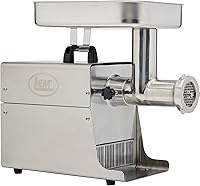
A dual grind meat grinder is best chosen by matching its coarse to fine workflow to your batch size, meat type and desired texture. For small to medium batches, the LEM Products BigBite #8 is a sensible starting point.
Larger workloads may suit the LEM Products BigBite #12 or the Weston Butcher Series.
Dual grinding means the meat passes through the grinder more than once. You begin with a coarse plate, then run the partially ground meat through a finer plate for a more even texture for burgers, meatballs or sausage.
That second pass gives you more control over texture than a single pass. It also adds time, handling and cleaning, so check whether that extra work fits the way you cook.
We compared the specifications and features for these 3 electric grinders. The key question is not which motor is largest.
It is whether the grinder handles your normal workload, supports the foods you prepare and includes the plate and sausage tools you need.
Batch size matters more than it first seems. A household grinding a few pounds for burgers will use a grinder differently from someone processing bulk meat, game or pet food scraps.
Meat type also changes the decision. Beef, pork, poultry, lamb and venison all need reliable feeding and a motor that can keep up without constant clearing.
If you plan to process bones, that limits your options, so check the exact model guidance first.
Texture goals should shape your plate choice as well. A coarse first pass keeps a more distinct bite, while a fine finish suits a smoother mix for sausage and meatballs.
Cleanup is part of the real cost of dual grinding. More plates and more contact with food means more parts to wash, dry and store.
A grinder that is easy to take apart will be easier to use again.
Think about your workspace before you choose a size. Larger grinders need a stable surface, room for containers and space to keep raw and finished meat apart.
Storage matters too, especially if you use the machine only on certain days.
Start with your normal batch, your main meats and the texture you want most often. Then choose the smallest grinder that meets those needs and includes sausage tools if you plan to make sausage.
What should you compare in a dual grind meat grinder?
Compare plate choices, motor power, processing speed and food compatibility first. These details determine how efficiently the grinder can handle a second pass.
A coarse plate is useful for the first pass because it breaks chilled meat into smaller pieces. A fine plate can then create a smoother mixture, but the second pass takes more time and increases the amount of handling.
Motor power gives you a rough guide to workload, but it does not tell the whole story. The grinder's stated capacity, design and food limitations matter just as much.
If you're still comparing grinder types, our meat grinder buying guide explains the main choices for home and heavier food processing.
How much meat do you process at once?
Choose a grinder that gives you enough capacity for your busiest planned batch. A small household making occasional burgers has different needs from someone processing bulk meat, game or pet food.
The LEM Products BigBite #8 has a 0.5 HP motor and is described for small to medium batches. It processes about 7 lb of meat per minute and is intended for regular grinding, sausage and pet food work.
The LEM Products BigBite #12 has a 0.75 HP motor and is described for medium to large batches. It processes up to 11 lb of meat per minute and is also described for beef, pork, poultry, lamb, venison and raw chicken bones.
The Weston Butcher Series has a 1 HP, 750 W motor and a stated rate of 14 lb per minute. Its intended use is commercial, and the unit is designed for large volumes of meat.
A higher processing rate can shorten a large job, but it does not mean you need the largest grinder. Oversizing adds more weight and workspace demands, so match the machine to your regular batch rather than an occasional peak.
Which dual grinding design fits your workload?
The best design depends on whether you need repeatable coarse-to-fine grinding, large-volume processing or flexibility with different meats. Your normal batch size should decide the grinder class.
LEM Products BigBite #8: small to medium batches
The LEM Products BigBite #8 suits regular home grinding when you want a 0.5 HP electric grinder for small to medium batches. Its stated processing rate is about 7 lb per minute.
It includes three plates, a knife, a stomper and stuffing tubes. That setup supports a two-stage workflow when you choose a coarse plate for the first pass and a finer plate for the second.
The grinder has a noise-dampening design, permanently lubricated motor and stainless steel parts. It disassembles for cleaning, which matters because dual grinding creates more parts and more contact surfaces to wash.
This model is not for bones, so it is a poor match if raw bone processing is part of your plan. For meat-only grinding, sausage making and moderate meal prep, its smaller motor can be easier to justify than a larger commercial-style unit.
LEM Products BigBite #12: larger batches and raw chicken bones
The LEM Products BigBite #12 suits medium to large batches when you want more capacity than a #8 grinder. Its 0.75 HP motor and stated rate of up to 11 lb per minute fit a heavier home-processing workload.
The #12 includes three plates, a knife, a stomper and stuffing tubes. It also has stainless steel parts, a noise-dampening design and a motor described as permanently lubricated.
The grinder is described for beef, pork, poultry, lamb, venison and raw chicken bones. That wider food range makes it a better fit for hunters, bulk meat buyers and people who want to use scraps for pet food.
The larger size comes with a practical trade-off. At 33.1 lb and 20.24 x 9.13 x 15.98 in, it needs a stable work area and planned storage.
If bone processing is central to your decision, compare this model with our guide to meat grinders that can grind bones.
Weston Butcher Series: high-volume grinding
The Weston Butcher Series suits large-volume processing when speed and a 1 HP motor matter more than a compact home setup. Its air-cooled, permanently lubricated motor is rated at 750 W, and the grinder is described for continuous processing of large volumes.
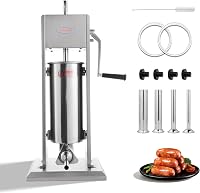
The Weston includes 7 mm coarse and 4.5 mm fine stainless steel plates, a grinder knife and a sausage stuffer kit. The kit has an adapter spacer and 4 funnel sizes, giving you more sausage setup options than a basic grinder with only a single tube.
Its rifled-head design and tapered throat are intended to support fast grinding. A forward-reverse mode is useful for tougher meat and connective tissue, according to the product information.
This grinder is described as commercial grade and has a 14 lb capacity. Its compact style does not remove the need to plan a solid work area, especially when processing a large batch or using the stuffing accessories.
For a comparison focused on the brand, see our guide to the best VEVOR meat grinder. The best VEVOR electric meat grinders guide may also help if electric motor options are your priority.
How do you use a dual grind meat grinder?
Use a dual grind meat grinder by preparing the meat, running it through a coarse plate, chilling or organizing the partially ground mixture, then using a finer plate for the second pass. The exact plate sizes and food limits depend on the model.
Cut meat into pieces that fit the feed opening and keep the preparation organized before turning on the grinder. Remove bones unless the specific grinder is described as suitable for them.
Start with the coarse plate. This first pass creates smaller pieces that can be mixed, shaped or run through a finer plate for a more consistent texture.
Keep the work area clean between passes. Use separate containers for raw meat and finished ground meat, and wash the grinder parts after processing.
The second pass can make the mixture softer and more uniform, but it can also change the texture more than you want. Stop after the coarse pass if you prefer a more distinct, chunky result.
For large meat loads, plan the workflow before starting. Have the plates, knife, tray, containers and cleaning area ready so the grinder does not sit assembled with food residue.
What should you look for in plates and sausage tools?
Look for at least one coarse plate and one fine plate if you want a clear dual grinding workflow. Sausage tubes or funnels matter if you also want to fill casings with the same machine.
A coarse plate is the starting point for the first pass. It breaks chilled meat into smaller pieces without turning it into a paste.
That makes the second pass easier to control and helps you keep the final texture even.
A fine plate is for finishing, not for starting with large chunks. Running meat through a fine plate too early can make feeding harder and can change the mix more than you want.
The order of plates matters as much as the plates themselves.
The LEM Products BigBite #8 and #12 each include three plates, a knife, a stomper and stuffing tubes. This gives both models a broad setup for grinding and sausage work.
The knife and stomper help with feeding, while the tubes let you move from grinding to stuffing without a separate stuffer.
The Weston includes a 7 mm coarse plate and a 4.5 mm fine plate, along with a knife and sausage stuffer kit. Its kit includes an adapter spacer and 4 funnel sizes.
That wider choice of funnels can help when you use different casing sizes or want a setup that fits your recipe.
Plate size affects texture, but it does not replace proper preparation. Choose the plate based on the result you want, then use the grinder's included tools in the order that suits your recipe.
Chill the meat, cut it to a size that feeds well and keep the parts organized before you start.
Sausage tools deserve the same care as grinding plates. A tube or funnel that is too small for your plan can slow the job and make filling messy.
Check what is included, how it attaches and whether you need an adapter for the casings you use.
Think about how you will store the plates and tools after the job. A grinder with several plates is useful only if you can find the right one quickly next time.
A storage drawer or a simple labeled container can save time and keep edges protected.
Dual grinding also means you should plan for two rounds of handling. Keep the first pass in one clean container and the finished mix in another.
That simple step helps you avoid mixing raw and finished meat and makes cleanup easier to manage.
If your work area would benefit from hands-free control, read our guide to choosing a meat grinder with a foot pedal. It can help you think through workflow and control needs before choosing accessories.
How should you clean and maintain the grinder?
Clean the grinder after each use by disassembling the food-contact parts, removing residue and washing them according to the manufacturer's instructions. A dual grind setup needs careful cleaning because more plates and parts come into contact with food.
The LEM grinders have stainless steel parts and disassemble for cleaning. Their motors are described as permanently lubricated, so routine care focuses on the removable food-contact components and the work area.
The Weston has a permanently lubricated, air-cooled motor. Its included plates, knife and sausage tools still need prompt cleaning after use.
Dry parts fully before storage, especially plates and knives. Store the components where they will stay clean and easy to find for the next batch.
Avoid putting any part through a cleaning method unless the manufacturer's instructions allow it. The safest routine is to follow the care directions for the exact model and keep the motor housing away from water.
For safe handling of raw meat, follow the USDA guidance on grinding meat.
More guides on this topic
- Best Meat Grinders for Deer and Wild Game for hunters who need a grinder that can handle game processing and larger seasonal batches.
- Use that guide to compare game focused options before you choose plates, motor power and sausage tools for venison or other wild game.
- It can also help you decide if a home grinder or a heavier commercial style model fits your storage and workspace.
Which dual grind meat grinder should you choose?
Choose the LEM Products BigBite #8 if you mainly process small to medium batches and do not need bone handling. Its 0.5 HP motor and rate of about 7 lb per minute fit regular grinding, sausage making and bulk meal prep.
Choose the LEM Products BigBite #12 for larger home batches, game processing and raw chicken bones. Its 0.75 HP motor and rate of up to 11 lb per minute suit medium to large work, and it is described for beef, pork, poultry, lamb, venison and raw chicken bones.
Choose the Weston Butcher Series if your workload is large enough to benefit from a 1 HP motor, 750 W power rating, 14 lb per minute rate and a sausage kit with 4 funnel sizes. It is described as commercial grade and built for continuous processing of large volumes of meat.
The Weston also includes 7 mm coarse and 4.5 mm fine stainless steel plates, a grinder knife and a sausage stuffer kit with an adapter spacer. Its forward and reverse mode can help with tougher meat and connective tissue, and its air cooled motor is permanently lubricated.
Before buying, write down your normal batch size, desired coarse and fine textures, meat types and cleaning space. Then choose the smallest grinder that meets those needs, unless continuous high volume processing makes the larger Weston a better fit.
Consider weight and storage as part of the choice. The LEM Products BigBite #12 is listed at 33.1 lb, and the #8 is listed at 32.6 lb, so both need a stable work area and a clear place to store the unit and its parts.
Also check the tools you will actually use. Both LEM models include three plates, a knife, a stomper and stuffing tubes, while the Weston gives you named plate sizes and more funnel options for sausage work.
If you only grind meat, avoid paying for sausage tools you may never use. If you make sausage often, those tools can save time and keep the whole process in one setup.
If you need to compare larger machines by capacity and footprint, continue with our guide to the best large meat grinders. For brand specific alternatives, see the best Weston meat grinders and best LEM #12 meat grinders guides.
Frequently asked questions
What is a dual grind meat grinder?
A dual grind meat grinder lets you process meat in two stages, usually by starting with a coarse plate and finishing with a finer plate. This can improve texture control for burgers, sausage and other ground foods, but the right setup depends on the grinder's plate options, motor power and intended workload.
Is a #12 meat grinder better than a #8?
A #12 grinder can suit larger batches and heavier processing, while a #8 model may be easier to match to small or medium workloads. Compare motor power, stated processing speed, capacity and whether the grinder supports the foods you plan to process instead of choosing by size alone.
Can every meat grinder process bones?
No. The LEM Products BigBite #12 is described as able to process raw chicken bones, while the LEM Products BigBite #8 is specifically described as not for bones.
Check the exact model guidance before putting bones through any grinder.
What plates do I need for dual grinding?
A coarse plate and a fine plate are the usual starting point for dual grinding. Coarse grinding breaks the meat into smaller pieces, and fine grinding creates a smoother texture.
The included plate sizes vary, so confirm which plates come with the grinder you choose.