What Exactly Is a Pre Cut Vacuum Bag for Home Cooks?
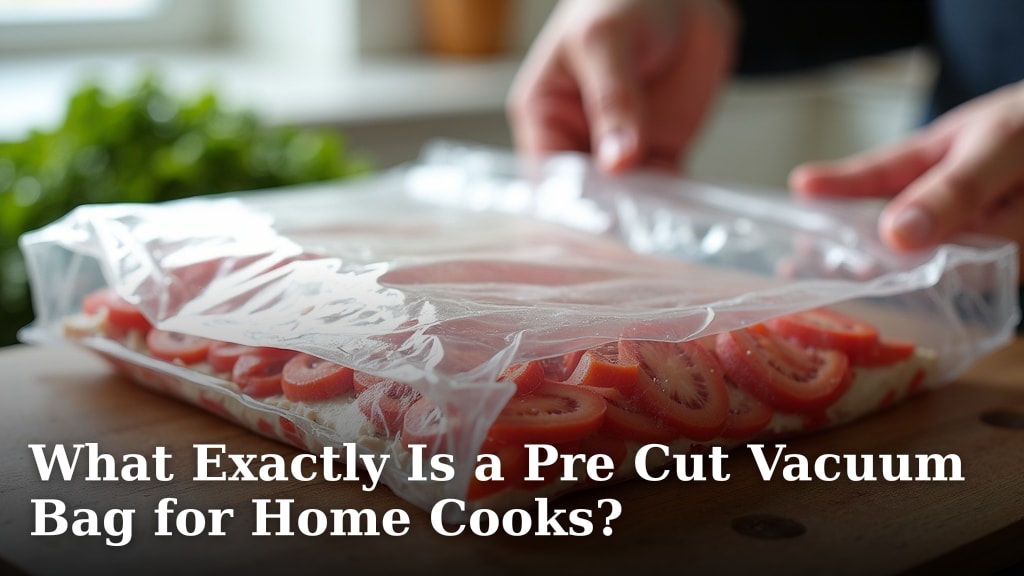
A pre-cut vacuum bag for home cooks is simply a vacuum seal bag that comes in a pre-made, specific size, ready to go right out of the box. Unlike rolls you cut yourself, these bags are already sealed on one or two sides, making them a convenient choice for busy kitchens. You just fill them and seal the remaining opening.
These convenient bags help you save time and reduce waste in your kitchen. They are designed to work with most home vacuum sealing machines. We found that using pre-cut bags can really streamline the food preservation process for home chefs.
- Pre-cut vacuum bags are ready to use bags in fixed sizes.
- They save you the step of cutting and sealing one side.
- They work with most standard home vacuum sealers.
- Using them can make food storage faster and easier.
- They are great for busy cooks who want convenience.
We’re going to walk you through exactly what these bags are and why they might be a great addition to your kitchen setup. Let’s get started!
Understanding Pre-Cut Vacuum Seal Bags for Your Kitchen
A pre-cut vacuum bag is essentially a ready-to-use bag for your vacuum sealer. You don’t have to cut it from a roll. It’s already sealed on one or two sides. This makes it a super convenient option for busy home cooks. You simply fill the open end, place it in your sealer, and create the final seal.
Think of it like this: instead of buying fabric and cutting your own patterns, you’re buying pre-cut fabric pieces for a specific project. It saves you a definite step. We found that this small convenience can make a big difference in how often you use your vacuum sealer. You’re more likely to preserve food when the process is easier.
Why Choose Pre-Cut Over Rolls?
You might be wondering why you’d opt for pre-cut bags instead of the more common rolls. Both have their place. However, pre-cut bags offer distinct advantages for many home kitchens. Let’s break down what makes them a popular choice.
The Time-Saving Factor
The biggest benefit is the time saved. Cutting from a roll requires an extra step. You need to measure, cut, and then often seal one end of the bag before you can even start filling it. This can add up, especially if you’re sealing many items at once.
With pre-cut bags, that initial cutting and sealing is already done. You just grab a bag, fill it, and seal the remaining opening. We found this can speed up your food preservation process significantly. It’s perfect for when you’ve just bought groceries and want to quickly portion and seal them.
Consistency and Ease of Use
Pre-cut bags come in uniform sizes. This means you get a consistent seal every time. You don’t have to worry about cutting a bag too wide or too narrow. This consistency is great for beginners. It also helps ensure your vacuum sealer works optimally.
Many people find them easier to handle. Since one or two sides are already sealed, the bag stays open better when you’re filling it. This is especially true for liquids or delicate items. You’re less likely to spill or make a mess.
Reducing Waste and Hassle
Using pre-cut bags can also lead to less material waste. When cutting from a roll, sometimes you might cut a piece that’s slightly too long or too short for the intended item. This can lead to unused scraps. Pre-cut bags are designed for common portion sizes, which can minimize this. You get the size you need, right out of the box.
Furthermore, they reduce the hassle of using the cutting mechanism on your vacuum sealer. Some people find these cutters can be a bit fiddly. Pre-cut bags bypass this entirely. You simply grab and go. It’s a simple change that can make a noticeable difference in your kitchen routine.
What Types of Pre-Cut Bags Are Available?
You’ll find pre-cut bags made from similar materials to rolls. The main difference is the format. They are typically made of BPA-free plastic. This material is safe for food contact. It’s also designed to be durable and create an airtight seal.
Common Sizes and Shapes
Pre-cut bags come in a variety of common sizes. You can find them for small items like cheese sticks or jerky. Larger sizes are available for family-sized portions of meat or pre-portioned meals. Some even come in quart or gallon sizes, mirroring traditional food storage containers.
The shape is usually a simple pouch. One or two long edges are factory-sealed. The remaining opening is where you’ll place your food and then seal it with your machine. We found that having a few different sizes on hand is most practical for diverse food storage needs.
Material Considerations
Most pre-cut vacuum bags are made from a multi-layer plastic. This often includes polyethylene and polyester. These layers work together to create a strong barrier. They protect food from freezer burn and spoilage. Many are also microwave-safe or boil-safe, adding to their versatility.
When choosing, look for bags labeled as BPA-free. This is a standard safety feature for food-grade plastics. It ensures no harmful chemicals leach into your food. Research from the National Institute of Health (NIH) suggests that avoiding BPA is a good general practice for food packaging (NIH).
| Feature | Pre-Cut Bag | Vacuum Seal Roll |
|---|---|---|
| Preparation | Ready to fill and seal. | Requires cutting to size and sealing one end. |
| Time Usage | Faster for immediate use. | Slightly slower due to prep time. |
| Ease of Use | Simpler, especially for beginners. Less mess. | Requires some practice for consistent cuts and seals. |
| Waste Potential | Lower if portion sizes match common needs. | Higher if incorrect sizes are cut frequently. |
| Customization | Fixed sizes only. | Fully customizable to any length. |
How to Use Pre-Cut Vacuum Bags Effectively
Using pre-cut bags is straightforward. The process is very similar to using a pre-cut bag from a roll. Here’s a quick rundown.
Step-by-Step Usage Guide
- Choose the right size: Select a bag that comfortably fits your food item. Leave about 3 inches of space at the opening for sealing.
- Fill the bag: Place your food inside the bag. Be careful not to overfill it. Ensure the opening edge is clean and dry.
- Position for sealing: Open your vacuum sealer. Place the open end of the bag onto the sealing strip. Make sure it crosses the sealing bar completely.
- Vacuum and seal: Close the lid of your sealer. The machine will draw out the air and then create a heat seal across the opening.
- Check the seal: Once the cycle is complete, open the lid. Gently inspect the seal to ensure it is solid and airtight.
Tips for Best Results
To get the most out of your pre-cut bags, a few tips can help. First, ensure the rim is clean. Any food particles or moisture can prevent a good seal. Wiping the rim with a clean, dry cloth is a good habit.
Second, don’t pack the bag too tightly. Air needs to be able to escape freely during the vacuum process. If the bag is overstuffed, you might end up with air pockets. We found that leaving a little extra space at the top makes sealing much easier and more reliable.
When to Use Pre-Cut Bags
These bags are ideal for everyday food prep. They are perfect for sealing single servings of leftovers. Portioning out snacks like nuts or dried fruit is also easy. If you buy items in bulk that you want to divide into smaller portions, pre-cut bags are a great solution.
Consider using them for marinating foods. You can add your marinade and food to the bag, seal it, and let it sit. The vacuum seal helps the marinade penetrate the food more effectively. Many sources suggest vacuum sealing can marinate food up to six times faster (NCBI).
Who Benefits Most from Pre-Cut Vacuum Bags?
While anyone can appreciate the convenience, certain home cooks will find pre-cut bags particularly helpful.
Busy Individuals and Families
If you’re constantly on the go, time is precious. Pre-cut bags streamline your kitchen tasks. You can quickly seal lunches, snacks, or weeknight meal components. This saves you precious minutes that can be spent elsewhere.
Beginner Vacuum Sealer Users
Starting with vacuum sealing can feel a bit daunting. Pre-cut bags remove some of the initial learning curve. You don’t have to worry about cutting techniques. You can focus on learning how to properly fill and seal bags. This makes it an approachable entry point into food preservation.
Those Who Value Simplicity
Sometimes, you just want things to be simple and efficient. Pre-cut bags offer that. They are straightforward to use. They reduce the number of steps in the food sealing process. If you prefer less fuss in the kitchen, these bags are a good fit for you.
Making Your Choice: Pre-Cut Bags vs. Rolls
Deciding between pre-cut bags and rolls often comes down to your personal preferences and needs. We found that most kitchens benefit from having both on hand.
When Rolls Might Be Better
Rolls offer ultimate flexibility. You can create bags of any length. This is ideal for very long items like fish fillets or ribs. You can also create custom-sized smaller bags if needed. If you frequently seal items of unusual sizes, rolls give you that control.
When Pre-Cut Bags Shine
Pre-cut bags excel in convenience and speed. They are fantastic for standard portion sizes. They are perfect for quick sealing jobs. If you prioritize saving time and minimizing steps, pre-cut bags are likely your preference for many tasks.
Here’s a quick checklist to help you decide:
- Do you often seal standard-sized portions?
- Is saving time in the kitchen a priority?
- Are you new to vacuum sealing?
- Do you want to reduce material waste from cut rolls?
- Do you prefer a simpler, ready-to-go option?
If you answered yes to most of these, pre-cut bags could be a wonderful addition to your kitchen supplies.
Conclusion
Pre-cut vacuum bags offer a straightforward way to simplify your food preservation routine. They remove the need to cut and seal one side, saving you precious time in the kitchen. For busy cooks or those new to vacuum sealing, these ready-to-use bags provide an easy entry point. While rolls offer more flexibility for custom sizes, pre-cut bags shine for everyday portioning and quick sealing tasks. Consider adding a variety of pre-cut sizes to your kitchen arsenal to make storing and protecting your food even easier.
Frequently Asked Questions
Are pre-cut vacuum bags as durable as those cut from a roll?
Yes, pre-cut vacuum bags are typically made from the same high-quality, multi-layer plastic materials as vacuum seal rolls. The main difference is that one or two sides are factory-sealed. We found that the sealing strength and durability are comparable, ensuring a good airtight barrier for your food.
Can I use pre-cut vacuum bags for liquids?
You can use pre-cut vacuum bags for liquids, but with caution. It’s best to freeze the liquid first into a solid block or place a folded paper towel on the inside of the bag’s opening to absorb any stray drips. This prevents the liquid from contaminating the sealing area, which could result in a faulty seal.
How do I know what size pre-cut bag to buy?
Consider the typical portion sizes you prepare. If you often seal single servings of meals or leftovers, quart-sized bags might work well. For smaller items like snacks or jerky, smaller sandwich-sized bags are useful. We recommend having a few different common sizes on hand to accommodate various food items.
Will pre-cut bags work with all home vacuum sealers?
Most home vacuum sealers are designed to work with standard pre-cut bags. As long as the bag’s material is compatible with your machine’s heating element and it can create a strong seal across the bag’s opening, it should function well. Always check your vacuum sealer’s manual for specific recommendations. Our guide on how home vacuum sealers work will help you understand the process with pre-cut bags.
Can pre-cut vacuum bags be reused?
Generally, vacuum seal bags, whether pre-cut or from a roll, are designed for single use. Once the seal is broken and the bag is opened, it’s difficult to achieve a proper airtight seal again. Reusing them increases the risk of contamination and spoilage for your food.