What Exactly Is a Vacuum Bag for Home Cooks?
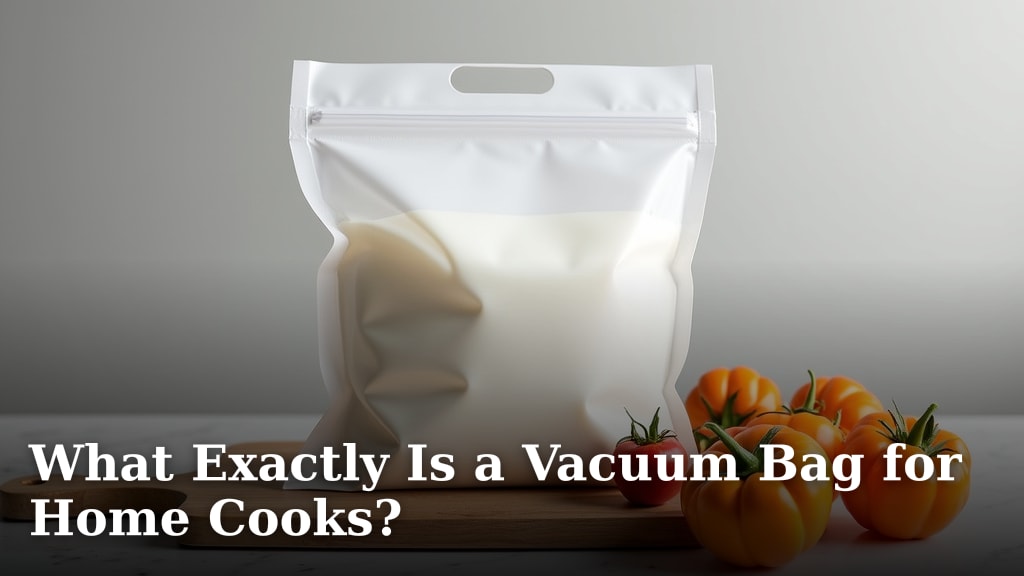
A vacuum bag for home cooks is a specially designed bag that creates an airtight seal around your food. This removes most of the air from the package. It’s a key tool for vacuum sealing machines, helping you keep food fresh much longer.
When air is removed, it dramatically slows down spoilage. This means your food lasts days or even weeks longer in the fridge or freezer. It’s a smart way to reduce food waste and save money by buying in bulk. You can also use it to marinate foods quickly.
- Vacuum bags remove air from food packaging.
- This process extends food freshness significantly.
- It helps prevent freezer burn and spoilage.
- You can also use them for faster marinades.
- They are essential for most vacuum sealing systems.
Let’s dive into what makes these bags so useful for your kitchen.
Understanding Your Vacuum Seal Bags
So, what exactly are these vacuum bags we keep hearing about? Think of them as super-powered food protectors. They’re designed to work with a vacuum sealer machine to get rid of the air around your food. This process is called vacuum sealing. It’s a simple idea with a big impact on how long your food stays fresh.
These bags are usually made of special plastic. This plastic is tough and impermeable. That means it won’t let air or moisture in or out easily. They are engineered to be safe for contact with food. This is important because your food will be stored in them for a while.
How They Work: The Air is the Enemy
The main job of a vacuum bag is to seal food away from air. Why is air so bad for food? Well, air contains oxygen. Oxygen is what makes food go bad. It helps bacteria and mold grow. It also causes oxidation, which changes the color and flavor of food. Plus, in the freezer, air causes freezer burn.
When you vacuum seal, your machine sucks out almost all the air. Then, it seals the bag tightly. This creates a barrier. It keeps the oxygen out. It also locks in the freshness, flavor, and nutrients of your food. It’s like giving your food its own personal, airtight fortress.
What Makes Them Different From Regular Bags?
You might be wondering, “Can’t I just use a Ziploc bag?” That’s a fair question. Regular plastic bags can keep some air out, but not all of it. When you try to seal a regular bag with a vacuum sealer, the machine can’t get a good seal. The bag is too flimsy.
Vacuum seal bags, on the other hand, have a special texture or structure. Many are embossed, meaning they have tiny ridges or channels. These channels allow the vacuum sealer to suck the air out effectively. They also create a strong, reliable seal when the machine heats and presses the edges together. Regular bags are smooth and don’t allow for this efficient air removal.
The Many Benefits of Using Vacuum Seal Bags
Using these bags goes beyond just keeping food fresh. It can change how you shop, cook, and manage your kitchen. Let’s look at some of the biggest advantages.
Extending Food Shelf Life Dramatically
This is the main attraction for most home cooks. How much longer can food last? Research shows vacuum sealing can extend freshness significantly. For many foods in the refrigerator, this can mean days or even weeks longer. For frozen foods, the difference is even more striking.
For instance, fresh meat might last only a few days in the fridge. Vacuum-sealed, it could last weeks. Berries, which spoil quickly, can last much longer in the fridge. In the freezer, vacuum-sealed items can last years without any sign of freezer burn. This means less food thrown away.
Preventing Freezer Burn: The Archenemy of Frozen Foods
Have you ever pulled frozen chicken out of the freezer only to find dry, icy patches on it? That’s freezer burn. It happens when air comes into contact with frozen food. Ice crystals form and draw moisture out of the food. This makes the food dry, tough, and tasteless. It’s not harmful, but it’s definitely unpleasant to eat.
Vacuum bags are your best friend against freezer burn. By removing the air, you remove the main cause. Your frozen foods stay moist and retain their original texture and flavor. It’s like preserving the food in its own juicy state. This can save you from having to discard damaged food.
Saving Money and Reducing Food Waste
When food spoils before you can eat it, that’s money down the drain. Vacuum sealing helps you stop this waste. You can buy food in larger quantities when it’s on sale. Then, you seal and store what you don’t need right away. This is especially true for non-perishable items that go on sale.
Think about buying a large pack of ground beef. Instead of letting half of it go bad in the fridge, you can divide it into meal-sized portions. Seal each portion, and they’ll be good to go for weeks in the fridge or months in the freezer. This smart approach means you use every bit of food you buy. Many families find they spend less on groceries overall with this method.
Faster Marinades and Flavor Infusion
This is a neat trick many cooks love. Vacuum sealing can speed up the marinating process. When you place food and marinade in a vacuum bag, the machine removes the air. This process can actually help the marinade penetrate the food more quickly. It’s like the reduced pressure helps the liquid soak in.
Instead of waiting hours for chicken to marinate, you might only need 30 minutes or less. This is a real time-saver when you’re planning a quick weeknight dinner. You get all the flavor without the long wait. It’s a simple way to get better results from your cooking.
Sous Vide Cooking Made Easy
If you’ve heard of sous vide cooking, you’ve definitely heard of vacuum sealing. Sous vide means “under vacuum” in French. It involves cooking food in a water bath at a precise temperature. The food is sealed in a bag to keep the water out and the juices in.
Vacuum seal bags are perfect for sous vide. They create a tight, watertight seal. This ensures your food cooks evenly and perfectly. You get restaurant-quality results right in your own kitchen. It’s a cooking method that relies heavily on these specialized bags.
Types of Vacuum Seal Bags Available
Not all vacuum seal bags are exactly the same. Most home cooks will use one of two main types.
Rolled Stock vs. Pre-Cut Bags
You can buy vacuum seal material in two forms: rolls or pre-cut bags. Rolls give you the most flexibility. You can cut the exact length of bag you need for any item. This is great for oddly shaped foods or large cuts of meat.
Pre-cut bags are convenient. They come in standard sizes, like quart or gallon. You just grab a bag, put your food in, and seal it. This is quick and easy for common items like steaks, chicken breasts, or vegetables. Some people prefer rolls for efficiency, while others like the grab-and-go nature of pre-cut bags.
Understanding Embossing and Materials
As mentioned, most bags designed for home vacuum sealers are embossed. The tiny channels on one side allow air to escape. The other side is usually smooth. This texture is what allows your machine to work properly.
The material itself is typically a multi-layer plastic. It needs to be strong enough to withstand the vacuum process and prevent punctures. It also needs to be food-safe and prevent air and moisture transfer. Look for bags that are BPA-free. This is a common safety standard.
How to Use Vacuum Seal Bags Effectively
Using these bags isn’t complicated, but a few tips can help you get the best results.
Preparing Your Food and Bags
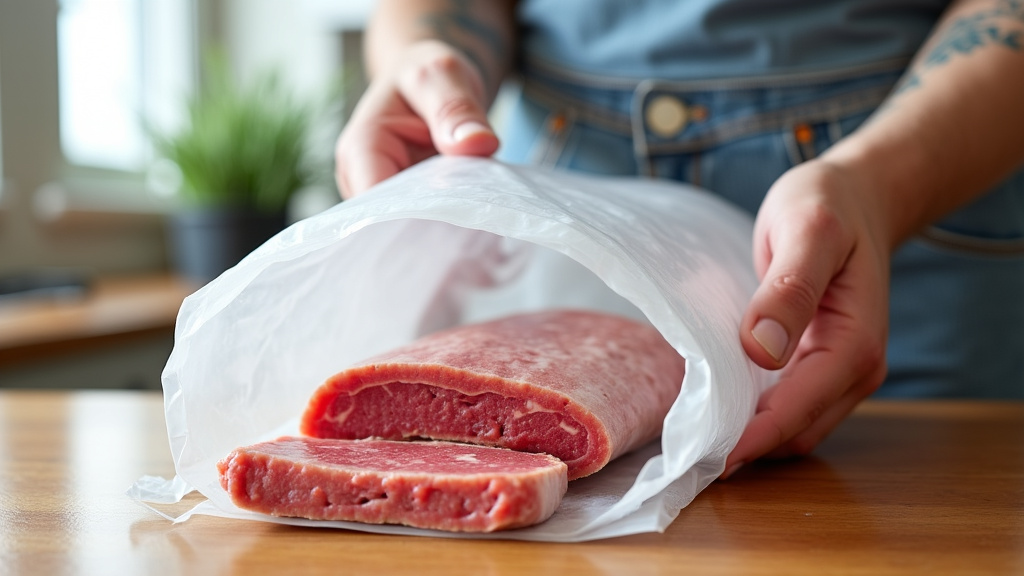
Always make sure your food is clean and dry before sealing. For moist foods, you might want to chill them first. This helps prevent moisture from interfering with the seal. You can also place a paper towel in the bag between the food and the seal line. This absorbs any excess moisture.
When filling the bag, leave enough space at the top. You need at least 2-3 inches. This gives your vacuum sealer machine room to create a good seal. Don’t overfill the bag. Ensure the sealing area of the bag is clean and free of food particles or liquids.
Achieving a Proper Seal
Follow your vacuum sealer’s instructions carefully. Most machines have a specific way to position the bag. You want the open end of the bag to be under the sealing strip. Ensure the bag material is flat and not wrinkled in the sealing area. Once the machine has removed the air and sealed the bag, check the seal.
A good seal should look like a solid, clear line. It shouldn’t have any gaps or look hazy. If you’re unsure, you can always reseal it. For extra security, some machines allow you to do a double seal. This creates two parallel sealing lines for added protection.
Here’s a quick checklist for success:
- Ensure bags are food-grade and BPA-free.
- Leave enough headspace for a strong seal.
- Keep the sealing area clean and dry.
- Chill moist foods before sealing.
- Check your seal for a clear, solid line.
- Follow your machine’s specific instructions.
Conclusion
You’ve learned that vacuum bags are more than just plastic pouches. They are your kitchen’s defense against air and spoilage. By creating an airtight seal, they dramatically extend food freshness, prevent dreaded freezer burn, and help you save money by reducing waste. They even speed up marinades and are essential for sous vide cooking. Now that you understand their power, try incorporating them into your routine. Start by sealing a few items you’d normally throw away soon, and see the difference yourself!
Frequently Asked Questions
Can I reuse vacuum seal bags?
Generally, vacuum seal bags are designed for single use, especially if they contained raw meat or strong-flavored foods. However, some thicker, reusable bags are available. If you do reuse them, ensure they are thoroughly washed and dried, and avoid reusing them for different food types to prevent cross-contamination.
Are all vacuum bags BPA-free?
Many quality vacuum seal bags made for home use are BPA-free. This is a common safety standard for food-grade plastics. It’s always a good idea to check the product packaging or description to confirm it’s BPA-free for your peace of mind.
What’s the difference between vacuum bags and freezer bags?
Standard freezer bags offer some protection but do not create an airtight seal. They still allow air to get in, which can lead to freezer burn. Vacuum bags are specifically designed to work with a vacuum sealer machine to remove nearly all the air, forming a tight barrier that keeps air out effectively.
How do I know if my seal is good?
A proper vacuum seal will look like a clear, solid line across the bag’s opening. There should be no gaps, wrinkles, or hazy spots in the sealed area. If you’re unsure, some machines allow for a double seal, which adds extra security.
Can I vacuum seal liquids like soup?
Yes, you can vacuum seal liquids, but you need to take precautions. It’s best to freeze the liquid in a solid block first, like in an ice cube tray or a container. Once frozen, you can place the solid block into a vacuum bag and seal it. Alternatively, you can use a “moist” setting on your machine and leave extra space above the liquid to prevent it from being sucked into the machine.