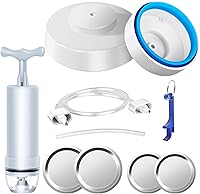
How to Use a Zwilling Vacuum Sealer
To use a Zwilling vacuum sealer, charge the pump, place food in a compatible bag or container, seat the pump on the valve, and press to remove air. Check that the seal holds, then store the food cold and label it with the date.
On this page (11 sections)
- How does a Zwilling vacuum sealer work with bags and containers?
- What do you need before you seal your first bag?
- How do you charge and set up the Zwilling pump?
- How do you seal dry foods like grains, nuts, and coffee?
- How do you seal moist foods without liquid in the valve?
- How do you use containers instead of bags for meal prep?
- How do you store, label, and open sealed food safely?
- How do you clean the pump, valves, and containers?
- What should you do when the Zwilling pump will not seal?
- When should you add a countertop sealer to your setup?
- How do you choose the right setup for your kitchen?
To use a Zwilling vacuum sealer, charge the pump, seal food in a compatible bag or container, press the pump onto the valve, and wait for the air to leave. That covers the core idea, and the rest of this guide breaks each step down so you can repeat it with confidence.
You will learn what to buy, how to set the pump up, and how to seal foods that are dry, moist, or fragile. We also cover storage, labeling, care, and fixes for seals that fail.
How does a Zwilling vacuum sealer work with bags and containers?
A Zwilling vacuum sealer pulls air from compatible bags and containers through a valve. You press the handheld pump onto the valve until the bag hugs the food.
This differs from a countertop machine that clamps a bag in a heat seal bar. For a comparison, start with What Exactly Is a Countertop Vacuum Sealer?.
A suction style pulls air through a port, as explained in What Exactly Is a Suction Vacuum Sealer?.
Zwilling uses its own valve system, so bags must match it, not just any vacuum bag. Our zwilling vacuum sealer review covers the pump and container set.
The pump removes air only. Cold storage and clean handling still matter after every seal.
What do you need before you seal your first bag?
You need the pump, compatible bags or containers, food, and a clean, dry work surface before you start. Having everything ready keeps the bag opening clean, which is the most common reason a seal fails.
Check that the pump is charged before you load food. A weak battery can stop halfway, leaving you with a bag that looks sealed but will not hold.
Wash your hands and use clean utensils when you pack food. Vacuum sealing cannot undo bacteria that are already present.
For raw meat, keep it cold and seal it soon after buying or portioning.
Gather a marker and labels at the same time. Writing the food name and the date on the bag takes seconds now and saves guesswork later.
How do you charge and set up the Zwilling pump?
Charge the pump fully before the first use, then seat it squarely on the valve each time. Follow the instructions for your pump for the charging port and light signals.
Place the pump flat on the valve and press down evenly. If it wobbles or sits at an angle, air will leak in as fast as the pump pulls it out.
Listen for the change in sound as air leaves. The bag will tighten around the food.
Do not force or twist the pump while it runs. Set it aside on a dry surface when you finish.
How do you seal dry foods like grains, nuts, and coffee?
Dry foods are the easiest place to start because they have no liquid to reach the valve. Fill a compatible bag about three quarters full, leaving room to flatten it without pushing food into the valve area.
Smooth the opening flat. Wipe inside it with a dry cloth if crumbs or powder have collected there.
Then seat the pump on the valve and press until the bag tightens around the contents.
Rice, beans, nuts, and coffee beans keep their flavor longer with less air inside. Store sealed bags in a cool, dark cupboard or in the freezer for bulk packs.
Label each bag with the item and the date sealed. Leave extra space if you freeze it, since some foods expand.
How do you seal moist foods without liquid in the valve?
Moist foods need a barrier between the food and the valve, plus a little extra headroom in the bag. Liquids and juices can reach the valve and stop the vacuum, so plan for that before you press the pump.
Freeze soups, sauces, and berries on a tray first when you can. Once firm, move them into the bag and seal them.
That keeps the valve clean and gives you a neater pack that stacks well.
For fresh moist foods, fold a paper towel near the opening and keep the bag upright while you seal. Marinated meat is a good test case.
Wipe the valve area dry after each bag, since a thin film of liquid can break the seal.
How do you seal fragile foods that crush easily?
Fragile foods need gentle handling and a bag that is not overfilled. Berries, bread, and cooked vegetables can crush when the air leaves, so stop once the bag is snug rather than tight.
Spread berries in a single layer with a little space between them. That limits bruising and helps the pump pull air from around each piece.
Use short bursts of pressure if your pump allows it, and watch the bag as it tightens. Stop at the first sign of crushing, since a slightly soft seal is better than a crushed portion.
How do you use containers instead of bags for meal prep?
Containers are best for leftovers, delicate foods, and anything you will open and reseal often. The pump sits on the lid valve, pulls the air out, and the lid stays sealed until you pop the valve open.
Fill the container, leaving a small gap at the top so food does not touch the lid. Wipe the rim dry, place the lid on squarely, and seat the pump on the valve.
Glass containers work well for reheating and for seeing what is inside. Label the lid or the side with the food and the date, since sealed contents can look similar after a week.
Use containers for fridge storage and bags for the freezer when space is tight. Bags flatten and stack, while containers keep shape and protect soft foods.
How do you store, label, and open sealed food safely?
Store sealed food cold, labeled, and within safe times for the type of food. Vacuum sealing slows quality loss, but it does not replace refrigeration or freezing.
Keep raw and cooked foods separated.
Write three things on every pack: the food, the date you sealed it, and the date you plan to use it by. That order of use matters more than the seal itself.
Open a bag by cutting near the seal with clean scissors. If you will reseal part of it, move the rest into a clean container or a new bag right away.
Check each pack before you eat it. Off smells, slime, or mold mean you should discard it, even if the seal looks intact.
How do you clean the pump, valves, and containers?
Clean the pump and valves with a dry or slightly damp cloth, and wash containers as you would any food container. Food residue on a valve is the top cause of a seal that will not hold, so wipe valves after each use.
Let containers and lids dry fully before you store them. A wet rim can trap moisture and weaken the next seal.
Check the valve and the rubber ring for cracks or crumbs before each batch.
Do not soak the pump in water or wash it under a tap. Wipe the body with a damp cloth and dry it at once.
Keep the charging port dry.
Wash bags only if the maker says they are reusable for that food. Most vacuum bags are single use, since they can hold bacteria in the texture.
What should you do when the Zwilling pump will not seal?
Most seal failures come from a dirty valve, liquid near the opening, or a pump that needs charging. Fix those three things first.
Start by cleaning and drying the valve. Check that no food or liquid sits across the seal area.
Then confirm the pump is charged and seated flat, with even pressure all around the valve.
Try a dry test with an empty bag. If it seals an empty bag, the problem is food placement or moisture, not the pump.
Our guide to chef preserve vacuum sealer not working covers similar fixes. If your pump still fails, contact the maker before buying bags in bulk.
When should you add a countertop sealer to your setup?
Add a countertop sealer when you seal bulk meat, soups, or freezer packs every week and want a heat seal. A handheld pump is quick for containers and small bags, but a heat sealer makes custom bags from rolls and seals moist foods more firmly.
The FoodSaver FM2100 is a one-touch machine with roll storage and a built-in cutter, plus dry and moist settings. It seals FoodSaver bags and includes starter bags, a roll, and an accessory hose, so it suits readers who want one main machine for the freezer.
The Nesco Deluxe Food VS-12 is a 130-watt countertop model with dry, moist, and double seal modes plus a gentle vacuum option. It includes two starter rolls and a viewing lid, which helps new users line up bags without waste.
If you are still deciding between pump types, see our picks for the best vacuum sealer pump and our explainer on What Exactly Is a Handheld Suction Sealer?.
How do you choose the right setup for your kitchen?
Choose based on how you store food most days, not on the longest list of features. If you mostly pack leftovers and lunch portions, a handheld pump with containers will serve you well.
If you freeze bulk meat and soups, a countertop heat sealer will save time.
Count your weekly seal jobs before you buy extra bags or rolls. A few packs a week will use one or two rolls a year, while daily meal prep will use far more.
Match the bag size to your portions. Small bags for single servings waste less than large bags you must cut down.
Glass containers suit foods you will open within a few days. Keep this routine in mind as you shop: charge, fill, clean the valve, seat the pump, seal, label, store cold.
For the full pump review, return to our zwilling vacuum sealer review before you order.
Frequently asked questions
How long does a Zwilling vacuum seal last?
A seal helps food stay fresh longer in the fridge or freezer, but time depends on the food, temperature, and how well air was removed. Use sealed food within safe fridge times for cooked foods, and freeze promptly for longer storage.
Can I use regular bags with a Zwilling pump?
No, use bags or wrappers made for vacuum sealing, with a valve or texture that lets the pump pull air out. Regular zip bags will not hold the vacuum, so the bag will puff back up within minutes.
Why will my pump not seal the bag?
The usual causes are a dirty or wet valve, food blocking the bag opening, or a pump that needs charging. Clean and dry the valve area, keep food away from the seal zone, and charge the pump fully before trying again.