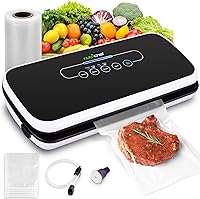
How to Fix Common NutriChef Vacuum Sealer Problems
Most NutriChef vacuum sealer problems come from a dirty or misaligned seal bar, a wet or wrinkled bag opening, or a worn gasket. Clean and dry the seal area, align the bag fully, and check the gasket before you replace the machine.
On this page (10 sections)
- Why does my NutriChef vacuum sealer have weak suction?
- How do you fix a NutriChef vacuum sealer that will not seal bags?
- What should you check when bags keep failing after sealing?
- How do you clean a NutriChef vacuum sealer for better seals?
- Why does my NutriChef vacuum sealer make noise but pull no air?
- What NutriChef vacuum sealer problems point to bag issues, not machine issues?
- When should you stop troubleshooting and replace the sealer?
- Which products help if your NutriChef sealer keeps failing?
- How do you prevent NutriChef vacuum sealer problems next time?
- How can you fix NutriChef vacuum sealer problems in the right order?
Most NutriChef vacuum sealer problems come from a dirty seal bar, a wet or wrinkled bag opening, or a worn gasket. Clean and dry the seal area, align the bag fully, and check the gasket before you replace the machine.
These fixes suit NutriChef owners who see poor suction and failed seals. If your model is an external suction type, read What Is an External Suction Vacuum Sealer? first, as that page explains where most faults start.
Why does my NutriChef vacuum sealer have weak suction?
Weak suction usually means air is leaking at the bag opening or the vacuum chamber is not sealed. A wrinkled, wet bag, or one not placed fully inside the chamber, is the most common cause.
For a refresher, see How Do You Use a Vacuum Sealer for Beginners?.
Start with a dry test using a clean, empty bag placed flat inside the chamber. Close and lock the lid as your manual directs.
Unplug the unit, then wipe the gasket, chamber channel, and lid with warm water and a soft cloth. Dry them fully before testing again.
Check the bag too. The opening must be smooth and flat, with no food or liquid near the seal.
How do you fix a NutriChef vacuum sealer that will not seal bags?
A sealer that vacuums but will not seal usually has a dirty seal bar, a wet bag opening, or a seal cycle that is too short. The heating surface needs clean contact with a dry, flat bag edge.
Let the machine cool, unplug it, and wipe the seal bar when it is safe to touch. Use the method in your manual and avoid sharp tools that can scratch the surface.
Dry the bag opening before each seal. If you seal moist foods often, leave extra headspace and fold the opening over for a test.
For liquid-heavy foods, Can External Vacuum Sealers Seal Liquids? explains why moisture near the seal causes failures.
Let the seal set before you pull or bend the bag. Opening the lid too soon can break a warm seal.
What should you check when bags keep failing after sealing?
Bags that fail later often have a weak seal caused by a dirty bar, a damp opening, or uneven pressure on the lid. This pattern points to the seal zone, not the motor.
A seal that fails in the same spot may show a crumb, wrinkle, or worn area.
Clean the seal bar and pressure pad, then inspect the bag opening under good light. Smooth it flat and check that the bag is not twisted inside the chamber.
Use the correct bag type for your machine. External suction sealers generally need textured vacuum bags that let air escape.
Smooth zipper bags or thin storage bags may not work with the chamber design.
Avoid overfilling. Food pressed against the seal area can block air flow and weaken the bond.
Leave a clean, dry strip at the top and keep sharp bones or shells away from the seal line.
How do you clean a NutriChef vacuum sealer for better seals?
Clean the seal bar, gasket, and chamber after spills and after every few uses, and let all parts dry fully. Food residue builds up in the same places that cause suction and seal faults, so regular cleaning prevents most repeat problems.
Unplug the machine and let the seal bar cool. Wipe the gasket and chamber with a soft, damp cloth, then dry them with a clean towel.
Check the manual for removable parts and never soak the base unit unless the manual allows it.
Inspect the gasket for cracks, tears, or a flattened shape. A gasket that no longer springs back may not close the chamber fully.
Replace a damaged gasket with the correct part for your model.
Keep the seal bar free of residue without scrubbing it hard. Store the sealer with the lid clean and dry, and avoid stacking heavy items on the lid.
Why does my NutriChef vacuum sealer make noise but pull no air?
Noise with no vacuum usually means the lid is not locked, the bag is misaligned, or the gasket is not seated. The motor may run, but air cannot leave the chamber if the seal around it is open.
Unplug the sealer and check the gasket position. Press it gently into its channel so it sits evenly all the way around.
Look for a pinched section, a fold, or food holding the lid open. Place a dry test bag with the opening fully inside the chamber and the smooth side flat.
Close the lid and lock it exactly as the manual directs. If the bag is too short to reach the chamber, it cannot vacuum correctly.
If the motor sounds strained or stops early, stop the cycle and unplug the unit. Do not force the lid or run the motor dry.
What NutriChef vacuum sealer problems point to bag issues, not machine issues?
Bag issues show up as seals that look uneven, bags that lose vacuum, or bags that tear near the seal. The machine may be fine, but bag material, size, or fill level can cause the fault.
Food at the opening is a leading cause.
Test with a fresh bag and dry contents. If a dry test bag vacuums and seals well, your food prep is likely the issue.
Moist foods need extra headspace, and sharp items need a barrier so they do not puncture the bag.
Check that the bag opening is long enough to sit inside the chamber. A bag that is too short may pull back during vacuuming.
A bag that is too wide may fold and trap air at the edges.
Store sealed bags without bending the seal area. Folding a fresh seal can crack the bond, especially after freezing.
When should you stop troubleshooting and replace the sealer?
Replace the sealer when the heating element no longer seals, the motor stalls, or the lid will not lock after cleaning. Repeated failure after a clean gasket, dry bag, and correct alignment points to a worn part.
Safety damage to the cord or housing is also a stop point.
Before you buy a replacement, check your model number and compare it with our nutrichef vacuum sealer review page. Save the manual and model details so you can order the right parts if you choose to repair.
A replacement makes sense if the seal bar is scored, the gasket channel is damaged, or controls stop responding. It also makes sense if the machine shuts off mid-cycle or makes grinding noises.
Which products help if your NutriChef sealer keeps failing?
If your NutriChef unit needs replacement, choose a sealer with clear vacuum and seal modes, a removable drip tray, and a compact footprint. The three options below solve different parts of the problem, from full-size sealing to a portable handheld style.
FoodSaver V4400 2-in-1 Vacuum Sealer Machine
The FoodSaver V4400 2-in-1 Vacuum Sealer Machine suits owners who want automatic bag detection, a built-in roll cutter, and a starter kit with an 11 in x 10 ft roll and quart and gallon bags. It measures 11 x 20 x 12 in and weighs 10 lb, so it needs counter space, but it also has a handheld option for zipper bags and containers.
FoodSaver says automatic moisture detection switches to the correct mode, and the removable drip tray is dishwasher safe.
Bonsenkitchen Vacuum Sealer Machine With 5 Vacuum
The Bonsenkitchen Vacuum Sealer Machine With 5 Vacuum suits owners who want mode control for soft or moist foods. It has Vac and Seal, Pulse Vac, Seal, and Accessory modes, so you can stop the vacuum manually for fragile items.
It measures 15.28 x 5.71 x 3.03 in and weighs 2.7 lb, which makes storage easier than a full-size unit.
Chef Preserve Compact Vacuum Sealer for Food
The Chef Preserve Compact Vacuum Sealer for Food suits owners who want a handheld, rechargeable option instead of a countertop chamber. It comes with 30 reusable vacuum bags, 15 small and 15 medium, and seals a bag in about 5 seconds according to Chef Preserve.
It weighs 2.2 lb and is battery powered, so it fits travel, RV, and small kitchens.
How do you prevent NutriChef vacuum sealer problems next time?
Prevention comes down to dry bag openings, a clean seal bar, and a seated gasket before every cycle. These habits stop most repeat faults.
Dry the top of each bag before sealing, even if the food inside is dry. Keep the seal bar clean after spills, and wipe the gasket when it looks dull or dirty.
Place the bag opening flat and fully inside the chamber each time. For small loads, check our best small vacuum sealer page if space is your main concern.
For background, read What Exactly Is a Suction Vacuum Sealer? before your next purchase. Store bags without bending the seal, and label each bag with the food and date.
If a bag loses vacuum in storage, discard perishable food that shows signs of spoilage and do not taste it to check.
How can you fix NutriChef vacuum sealer problems in the right order?
The right order is clean, align, dry, test, then replace parts. Start with a dry test bag, then clean the gasket and seal bar, then check alignment and moisture.
Unplug the unit, let the seal bar cool, and dry all contact areas. Place a dry test bag flat in the chamber and lock the lid.
If that test fails, check the gasket seat and bag type before you try food again. If a dry test passes but food bags fail, focus on headspace, moisture, and sharp edges.
Dry the opening, leave a clean strip at the top, and keep food away from the seal line. Let each seal cool before you move the bag.
For problems that return, check the manual for your exact model before ordering parts.
Frequently asked questions
Why does my NutriChef vacuum sealer not suck all the air out?
Weak suction usually means the bag opening is not fully inside the vacuum chamber, the gasket is dirty, or moisture is being pulled toward the seal. Reposition the bag so the opening sits flat, wipe the gasket and chamber dry, and try a dry test bag to check vacuum strength.
Why does my NutriChef vacuum sealer seal but the bag opens later?
A weak seal often comes from a wet, wrinkled, or rough bag opening, a dirty seal bar, or a seal that was opened too soon. Dry the bag opening, smooth it flat, clean the seal bar, and let the seal cool before bending the bag.
Can I fix a NutriChef vacuum sealer that makes noise but no vacuum?
Yes, first check that the lid is locked, the bag is in the chamber, and the gasket is seated. If the motor runs but air stays in the bag, the bag may be misaligned or the gasket may be pinched.
Unplug the unit before cleaning or adjusting parts.
When should I replace a NutriChef vacuum sealer instead of fixing it?
Replace it when the heating element no longer seals, the motor stalls, the lid will not lock, or seals fail after cleaning and gasket checks. Also replace it if the cord, plug, or housing is damaged, since electrical damage is a safety risk.