How to Use a Chef Preserve Vacuum Sealer
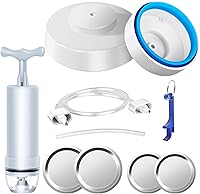
To use a Chef Preserve vacuum sealer, charge it fully, close the bag on the bag's own clip, press the suction nozzle firmly over the valve, and let the motor stop on its own. Wipe the valve dry, store the unit upright, and follow the user guide for your exact model buttons.
On this page (11 sections)
- How do chef preserve vacuum sealer instructions start with charging?
- How do you close a bag so a handheld sealer can work?
- How do you seat the nozzle over the valve?
- How do you seal moist foods and liquids without a mess?
- When does a countertop sealer do the job better?
- How do you pick bags and rolls for repeat sealing?
- How do you clean and store a handheld sealer?
- What are the most common mistakes with a Chef Preserve sealer?
- How do you decide between a handheld unit and a full system?
- How do you keep vacuum sealed food safe?
- Ready to seal with chef preserve vacuum sealer instructions?
To use a Chef Preserve vacuum sealer, charge it fully, close the bag on the bag's own clip, press the suction nozzle firmly over the valve, and let the motor stop on its own. Keep the valve dry and flat, and check the bag before you store it.
These chef preserve vacuum sealer instructions cover handheld units that suck air through a valve. They do not replace the guide for your exact model.
Buttons and lights can differ by version.
How do chef preserve vacuum sealer instructions start with charging?
Charge the sealer before the first use, and again when the motor sounds weak. Plug in the cable that came in the box and wait for the charge light to show full.
A weak motor often means a low battery, not a broken unit. Top up the charge, then test the suction on an empty bag.
If suction returns, the battery was the cause.
Keep the charging port dry. Wipe off water or food liquid before you plug in the cable.
Store the cord loose, not wrapped tight around the body.
How long should you charge a handheld vacuum sealer?
Most handheld units need a few hours for a full charge from empty. Check the light on your model, since the maker sets the exact time and color code.
Use only the cable and adapter from the box when you can. A slow, steady charge protects the battery better than repeated short top-ups.
Charge it after each larger sealing session. That habit keeps the motor strong for the next batch of meat, cheese, or produce.
How do you close a bag so a handheld sealer can work?
Close the bag with the clip that matches the bag, seated fully across the top. Line up both sides of the bag, smooth out wrinkles, and press the clip shut until it clicks or grips.
Air leaks usually start at the top edge. If the bag mouth is wet, wrinkled, or folded, the clip may not seal the top.
Dry the top strip with a paper towel and try again.
Leave a small gap between the food and the clip. Food pressed against the clip can keep it from closing flat.
That gap also helps when you press the nozzle down.
For help with the basic idea, What Exactly Is a Handheld Suction Sealer? explains how suction through a valve differs from a heat seal.
How do you seat the nozzle over the valve?
Press the nozzle straight down over the valve until you feel full contact. Hold it steady with one hand while the motor runs with the other hand on the unit.
The bag will pull tight as air leaves. Stay still during that pull.
A shift in position can break the contact and let air back in.
Wait for the motor to stop or the light to signal done. Do not pull the nozzle off early.
An early pull often leaves the valve half closed.
What should you check right after sealing?
Check that the bag feels tight, the valve looks flat, and the clip still grips. Press lightly around the valve to feel for a soft spot where air can enter.
If the bag stays loose, reseat the nozzle and run the motor again. One retry is normal when the valve was damp.
Repeated failure points to a bag or valve problem.
Label the bag with the food name and date. Vacuum sealing slows quality loss, but it does not stop time.
A date helps you use older food first.
How do you seal moist foods and liquids without a mess?
Dry the bag top before you close the clip on moist foods. Pat the top strip dry, leave space between the food and the clip, and keep the valve area clean.
Succulent foods release juice as you suck out air. That juice can coat the valve and stop it from closing.
Wipe the valve with a dry cloth after sealing.
For soups, sauces, and marinated meats, freeze the food flat first in a tray. Then seal the frozen block.
The liquid stays put during suction, and the valve stays cleaner.
A handheld unit has limits with wet foods. If leaks repeat, a heat-sealing machine handles moist food with more control.
See What Exactly Is a Suction Vacuum Sealer? for that contrast.
When does a countertop sealer do the job better?
A countertop sealer fits better when you seal large batches or need a heat seal on each end. It cuts a roll to size, seals one end, vacuums the bag, and seals the other end.
That full seal suits bulk meat, freezer meals, and sous vide bags. A handheld sealer can only remove air through a valve.
It cannot create a new heat seal.
The Nesco Deluxe Food VS-12 Vacuum Sealer has a viewing lid and an easy-lock handle. Those features help you place the bag straight and reduce misaligned seals.
The FoodSaver FM2100 Vacuum Sealer Machine includes starter bags and a roll. Its dual heat sealing strips help create an airtight seal for dry and moist food.
How do you pick bags and rolls for repeat sealing?
Pick bags that match your sealer type and the food you store most. Handheld units need bags with a valve.
Countertop units need heat-seal bags or rolls.
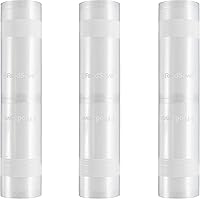
Rolls let you cut a custom length for each item. That reduces waste on odd shapes.
Pre-cut bags save time on standard portions.
The FoodSaver Custom Fit Vacuum Sealer Rolls are BPA free and work with FoodSaver vacuum sealing systems. They suit freezer, refrigerator, microwave, and boil use as stated by FoodSaver.
Measure the food before you cut. Add space for the seal area and for air removal.
A bag that is too short forces food into the sealing zone.
How do you clean and store a handheld sealer?
Wipe the nozzle and body with a damp cloth after each use, then dry them. Food liquid left on the nozzle can dry into a crust that blocks suction.
Do not soak the unit in water. Keep water away from the charging port and the motor vents.
A dry cloth handles most spills.
Store the sealer in a dry drawer or cabinet. Keep the clips and bags with it, so you can seal without hunting for parts.
Charge it every few months if you store it long term.
If suction fades, Why Is Your Chef Preserve Vacuum Sealer Not Working? walks through battery, valve, and nozzle checks in order.
What are the most common mistakes with a Chef Preserve sealer?
The most common mistake is rushing the nozzle seat and the bag closure. A short press or a wrinkled clip lets air stay in the bag.
The second mistake is sealing with a wet valve. Dry the valve and the bag top before each attempt.
Moisture is the top cause of a weak hold.
The third mistake is overfilling the bag. Food near the clip keeps the top from closing and can press liquid toward the valve.
Leave head space in every bag.
When should you replace the bag instead of retrying?
Replace the bag when the valve is torn, the clip will not grip, or the bag top is creased. A damaged valve cannot close, no matter how long the motor runs.
Keep spare bags from the same maker on hand. A fresh bag costs little and saves a full retry.
Test one bag first after a run of failures.
How do you decide between a handheld unit and a full system?
Choose a handheld unit when you reseal opened packs and store small amounts. It is compact, quick, and easy to store.
Choose a full countertop system when you buy in bulk or freeze meals for later. Heat sealing and roll storage save time on large batches.
Our chef preserve compact vacuum sealer reviews compare handheld models for size and ease of use. For pump-driven options, see Best Vacuum Sealer Pumps.
How do you keep vacuum sealed food safe?
Keep sealed food cold or frozen, and use it within safe times for that food. Vacuum sealing does not kill bacteria and does not replace refrigeration.
Store raw meat in the coldest part of the fridge. Freeze sealed packs at 0°F or below.
Thaw in the fridge, not on the counter, and cook soon after thawing.
Discard sealed food that smells off, looks slimy, or stayed warm too long. When in doubt, throw it out.
A valve bag does not make old food safe again.
For a larger machine comparison, What Exactly Is a Countertop Vacuum Sealer? explains heat sealing, roll storage, and accessory ports in plain terms.
Ready to seal with chef preserve vacuum sealer instructions?
Charge the unit, dry the bag top, close the clip fully, seat the nozzle, and let the motor finish. That order fixes most first-time failures.
Pick a handheld sealer for quick resealing of opened packs. Pick a countertop system for bulk freezing and sous vide bags that need a full heat seal.
Frequently asked questions
How do you use chef preserve vacuum sealer instructions for the first time?
Charge the unit, load food into a compatible bag, close it with the bag clip, press the nozzle over the valve, and run the motor until it stops. Wipe the valve, check the seal, and store the sealer where it stays dry.
Why does a handheld sealer fail to hold vacuum?
Most failures come from a wet or wrinkled valve, a gap at the nozzle, or a bag clip that is not fully closed. Dry the valve, flatten the bag top, reseat the nozzle, and run the motor again.
If the valve is damaged, use a new bag.
When should you switch to a countertop vacuum sealer?
Switch when you seal many bags at once, need a heat seal on each end, or store moist foods and soups. A countertop unit cuts rolls to size and seals the bag shut, while a handheld unit only removes air through a valve.